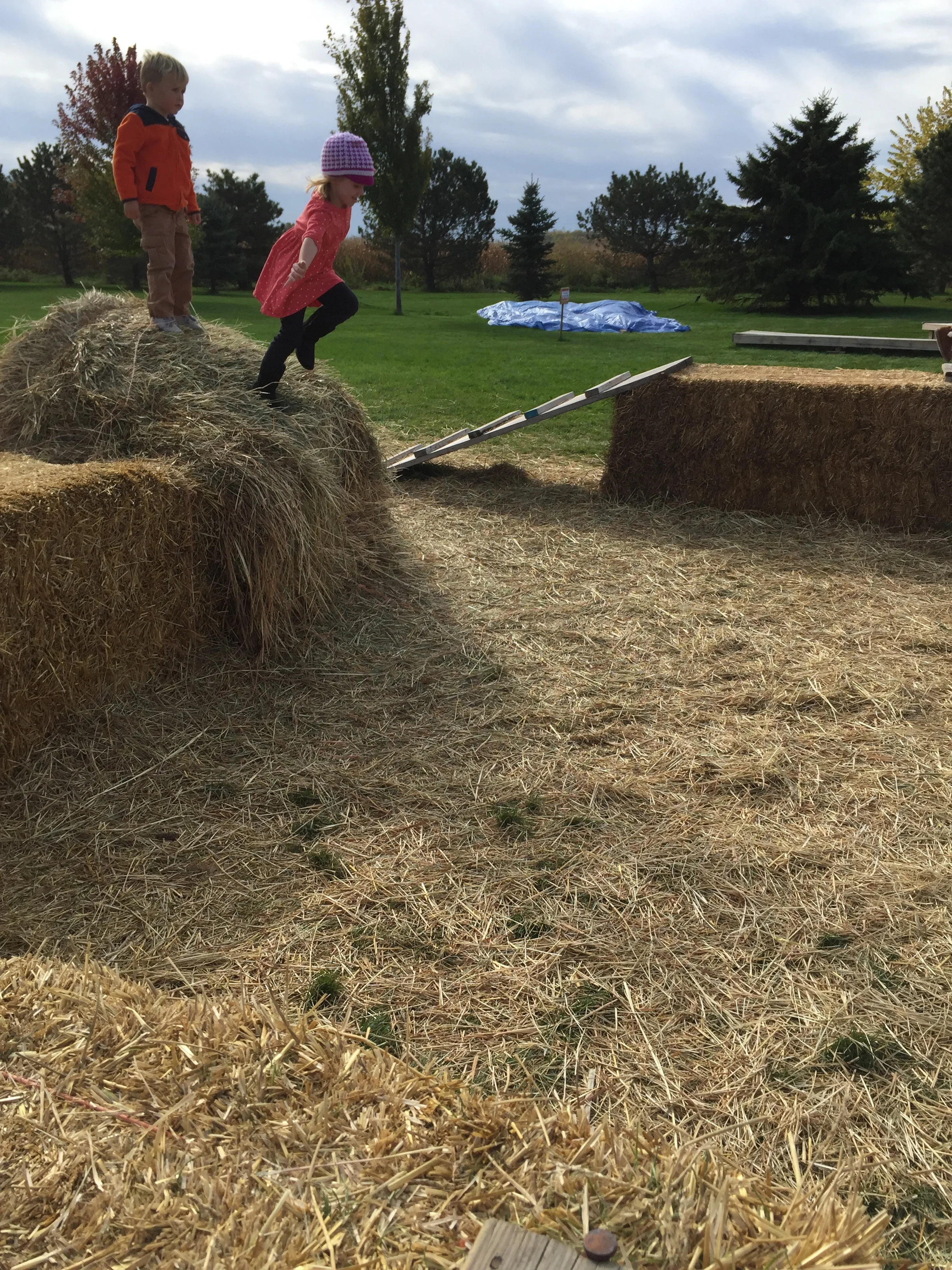
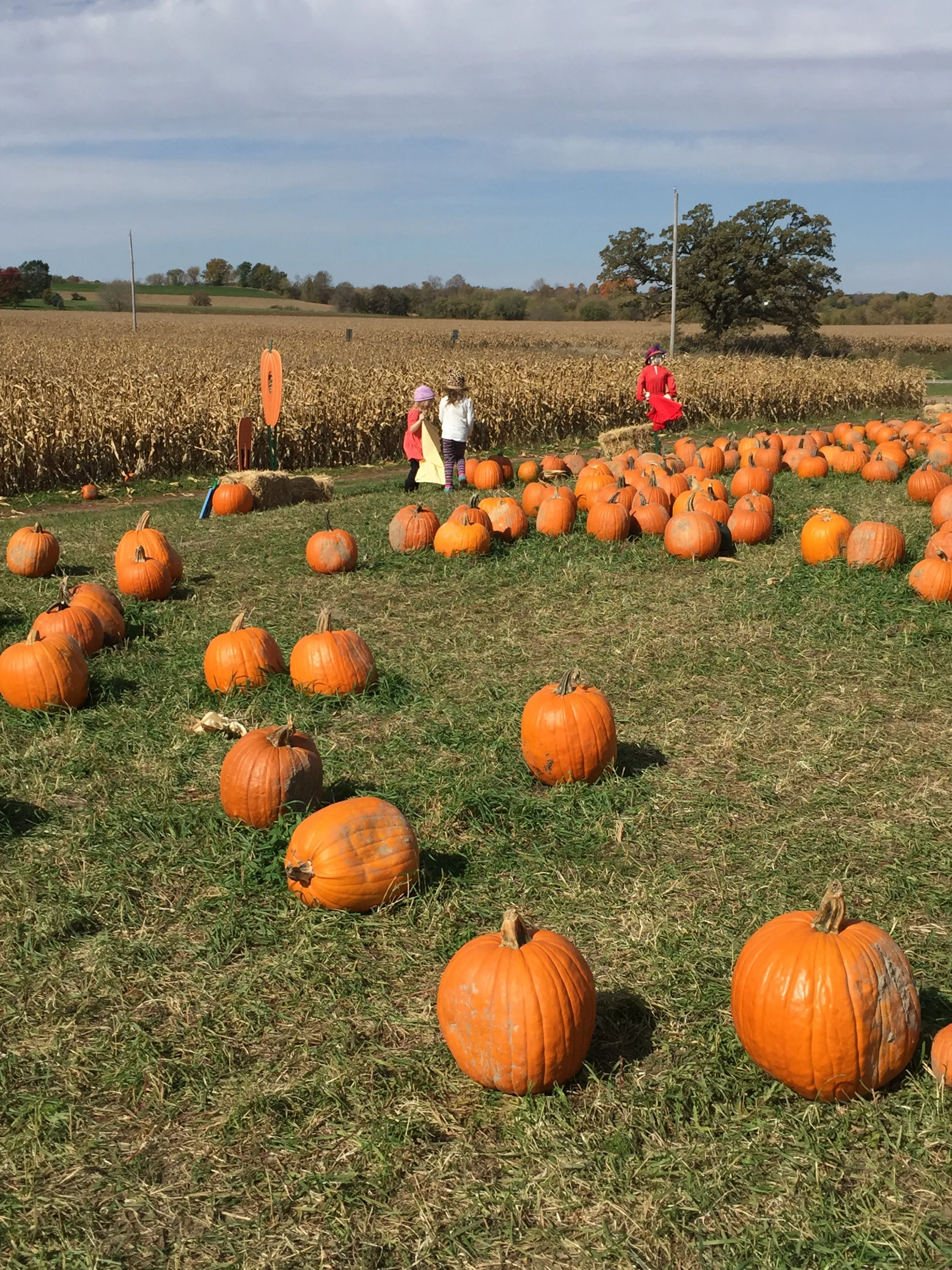
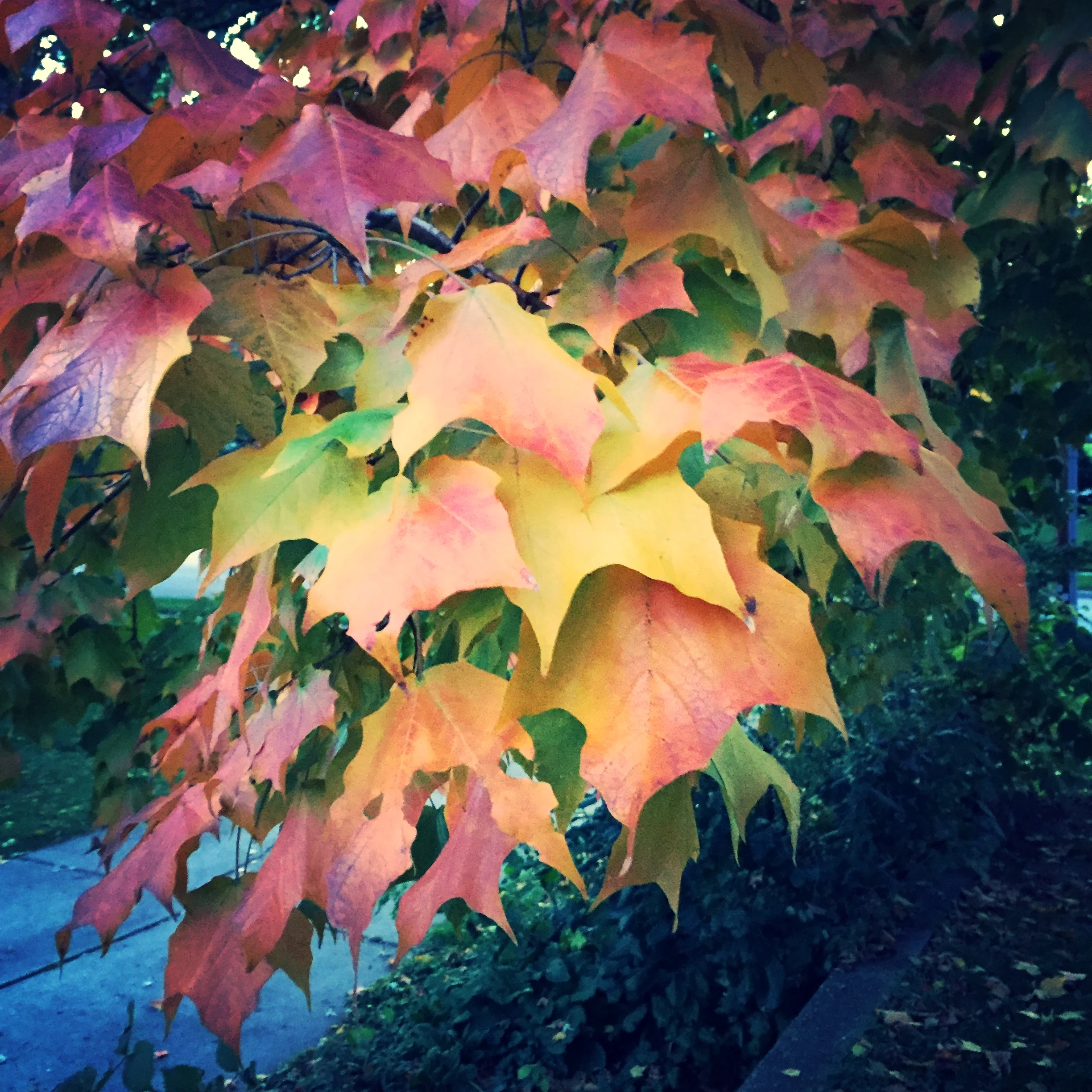
Spectacular (Indian) Summer

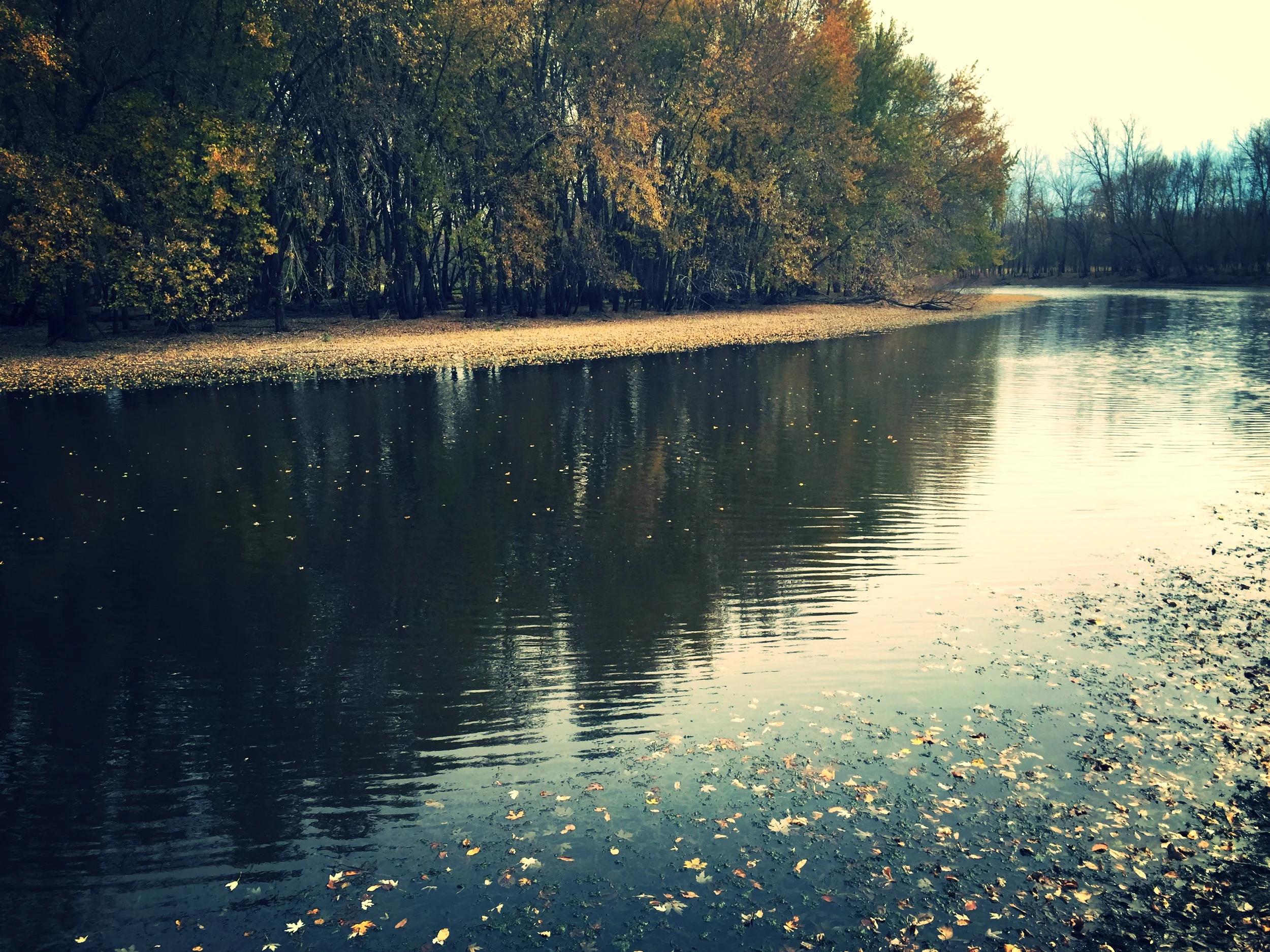
Ever so beautiful.

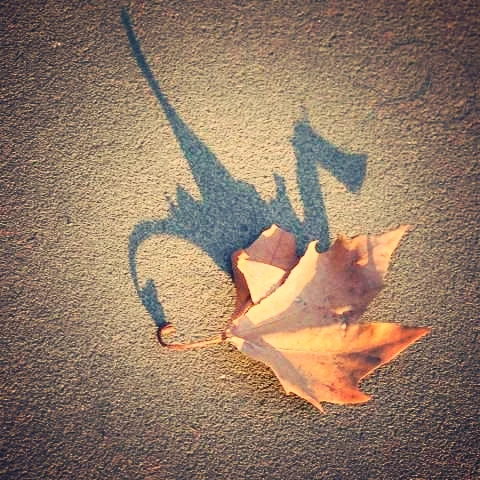
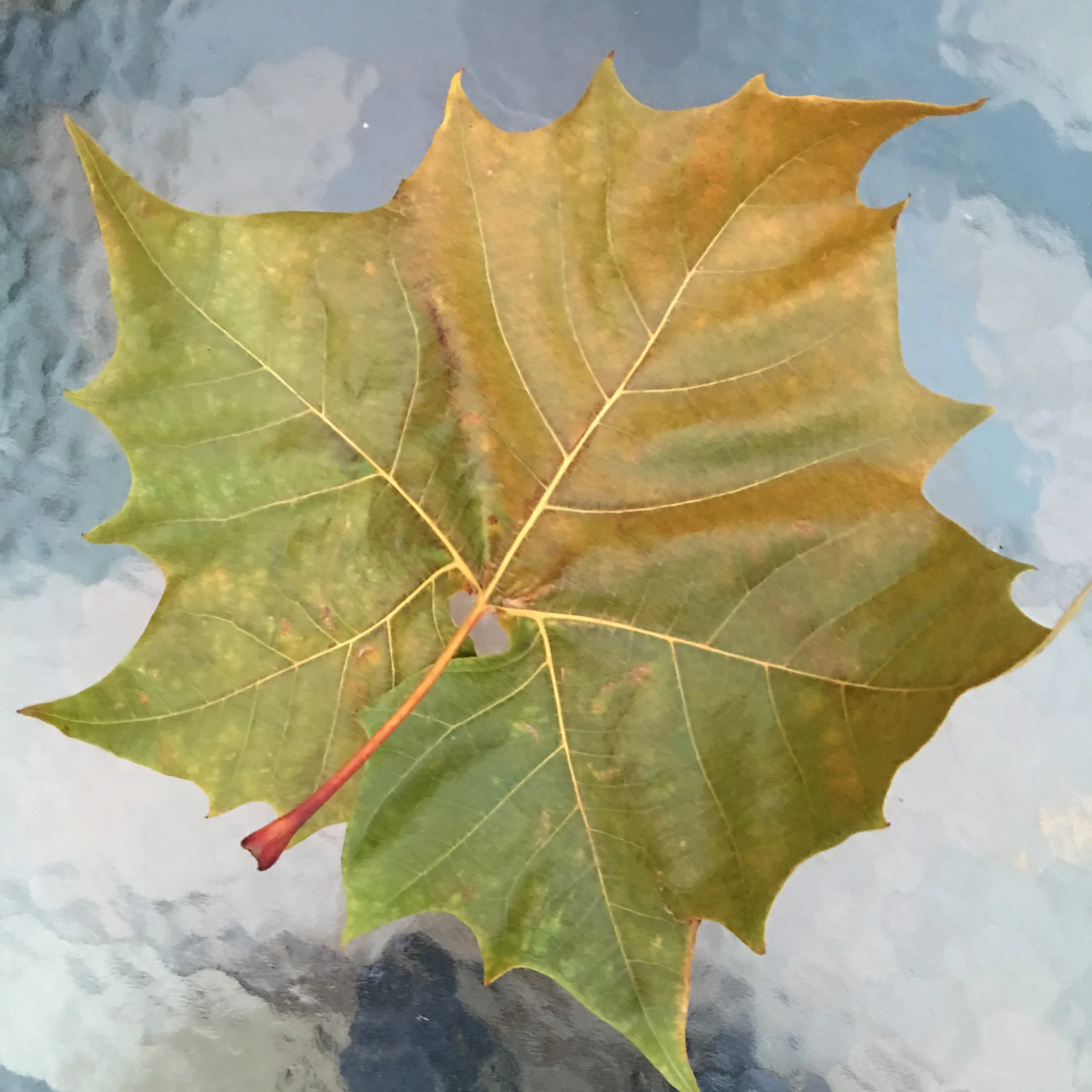
Sycamore, the pterodactyl of trees.

Sycamore, the pterodactyl of trees.

Brief selection from: Payne Hollow by Harlan Hubbard

In winter, woodcutting; in summer, gardening. Our calendar is never so precisely divided, for cookwood must be rustled up in summer and the garden is a year-round concern.

All our living is regulated by the revolving seasons. They determine what we do, what we think and talk about, what we eat, the pattern of each day. Our house adjusts to the seasons, opening in the summer and closing against the winter's cold. The time of our getting up in the morning depends on when the sun rises. Who would want to lie abed in a summer dawn, when the air is filled with birdsong? On the other hand, there is not much use getting up in the dark, even during the shortest days of winter; yet I often do so, assisted in extending the day by a late-rising moon, which furnishes light enough for woodcutting, even when it shines through a layer of cloud. It is never so dark that my feet cannot find their way on known paths. Firewood or something is always waiting to be carried up the hill. I can grind flour by touch. A lantern provides enough light for many other jobs — threshing beans, cracking nuts, sharpening an axe. The hungry goats do not mind being waked up, fed and milked at an early hour. Writing goes well, close to a stove where a little fire burns; or I just sit there in that brief period of detachment between night and day, my thoughts following strange paths unknown to sleep or waking.

Sometimes the dark becomes wearisome, I feel my loneliness and look in vain for the faintest glow in the eastern sky or for a lighted window across the river. When at last the strengthening light brings release it seems to promise fair and untried fields of action. All too soon the colors of dawn fade and the familiar world reveals itself.

March, not January, is the two-faced month, for its weather can be that of winter or spring. In our calendar the balance swings from woodcutting to gardening in March. There come a few warm, balmy days when fires are allowed to die and a tantalizing smell of spring is in the air. I take a favorite hoe from its winter resting place and go down into what was last year's garden…

… The very beginning is perhaps the best part of a garden. Now the breeze feels as soft and sweet as it used to on the first spring day that I could go barefoot. The whistle of a cardinal comes from far off through the hazy air. The sun, riding higher in the sky, arouses not only the buds and seeds but also the dormant hopes of the gardener. The memory of past mistakes and failure has been washed out by winter rain. This year his garden will be the best ever.


Spooky Action at a Distance

Apparently it's true and Einstein was wrong. Through "quantum entanglement" something can happen here and some far there simulatneously and what happens here affects what happens there even though there is no way it could do so.

Now here, locally, the spooky action is occuing at the front door with strange little creatures knocking and asking for sugar. This causes an action in Pax (resembles barking) even though he is enclosed in a distant room.  I therefore have to conclude that Pax is a quantum mechanic.

Steady, cold rain all day, but through some spooky action, stopping just in time for the creatures to emerge. 

image.jpg

Quiet

Cold, clear night; morning fog. 

image.jpg

Sue down south helping Jayne. Pax and me? We lay low, though we did go for a drive (18 minutes to the Festival Foods store in Fort, just as a test). And it felt very good to be out and about doing stuff without the albatross of a sling round my neck. Otherwise, a very quiet day--little wind, few sirens, and just a little noise from band prctice at the stadium.

Fox Point

Over to Fox Point to help Ab cear up the basement, still pretty much a shambles from the move. Also incuded, lunch at a tasty little restruant in Whitefish Bay. Sometimes its fun to go a little upscale. Here in Whitewater we have learned that our only real grocery store is closing, leaving us with a somewhat minimal Walmart grocery section. A town without a grocery store is, in my opinion, just a little downscale. 

image.jpg

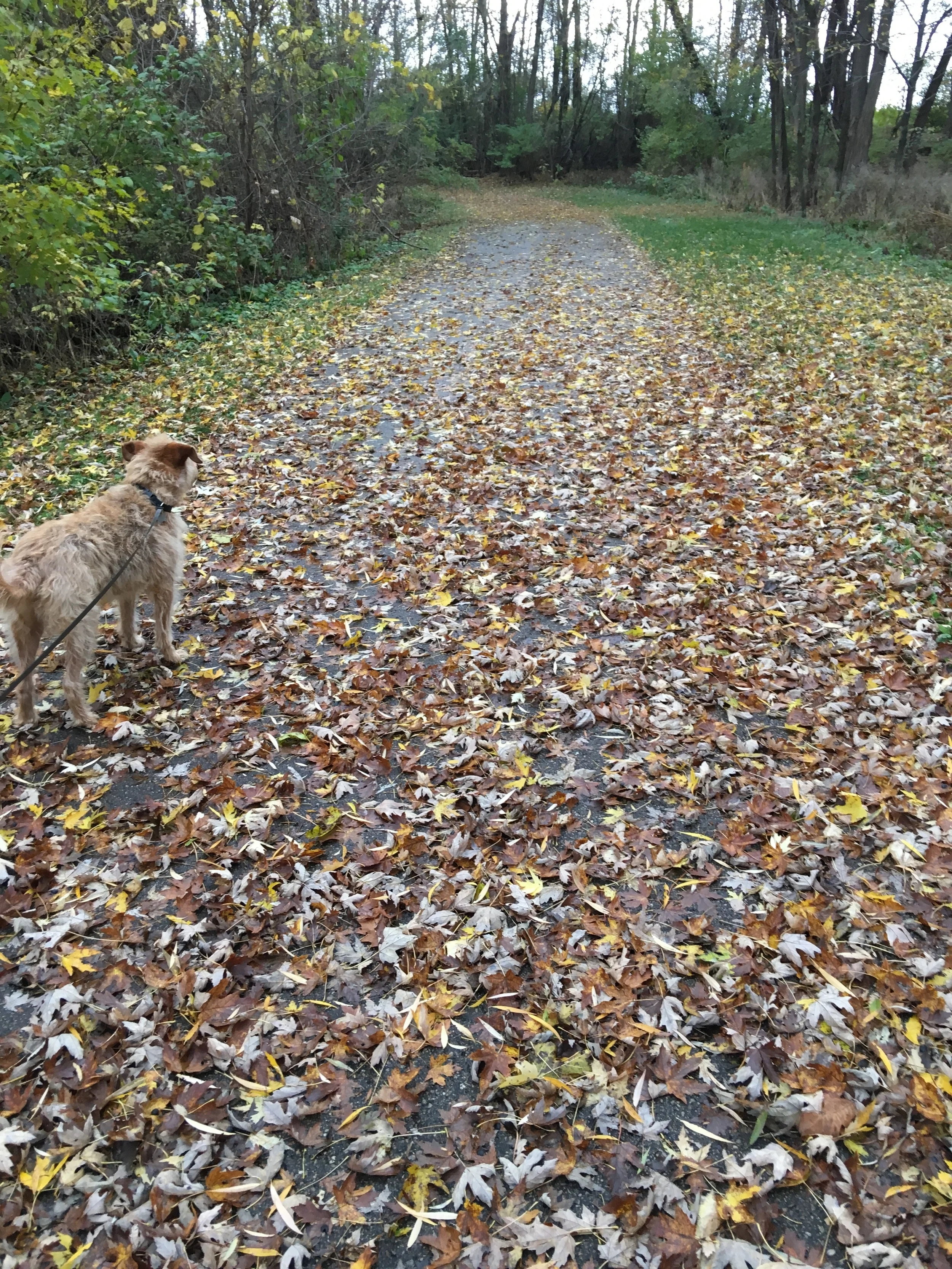
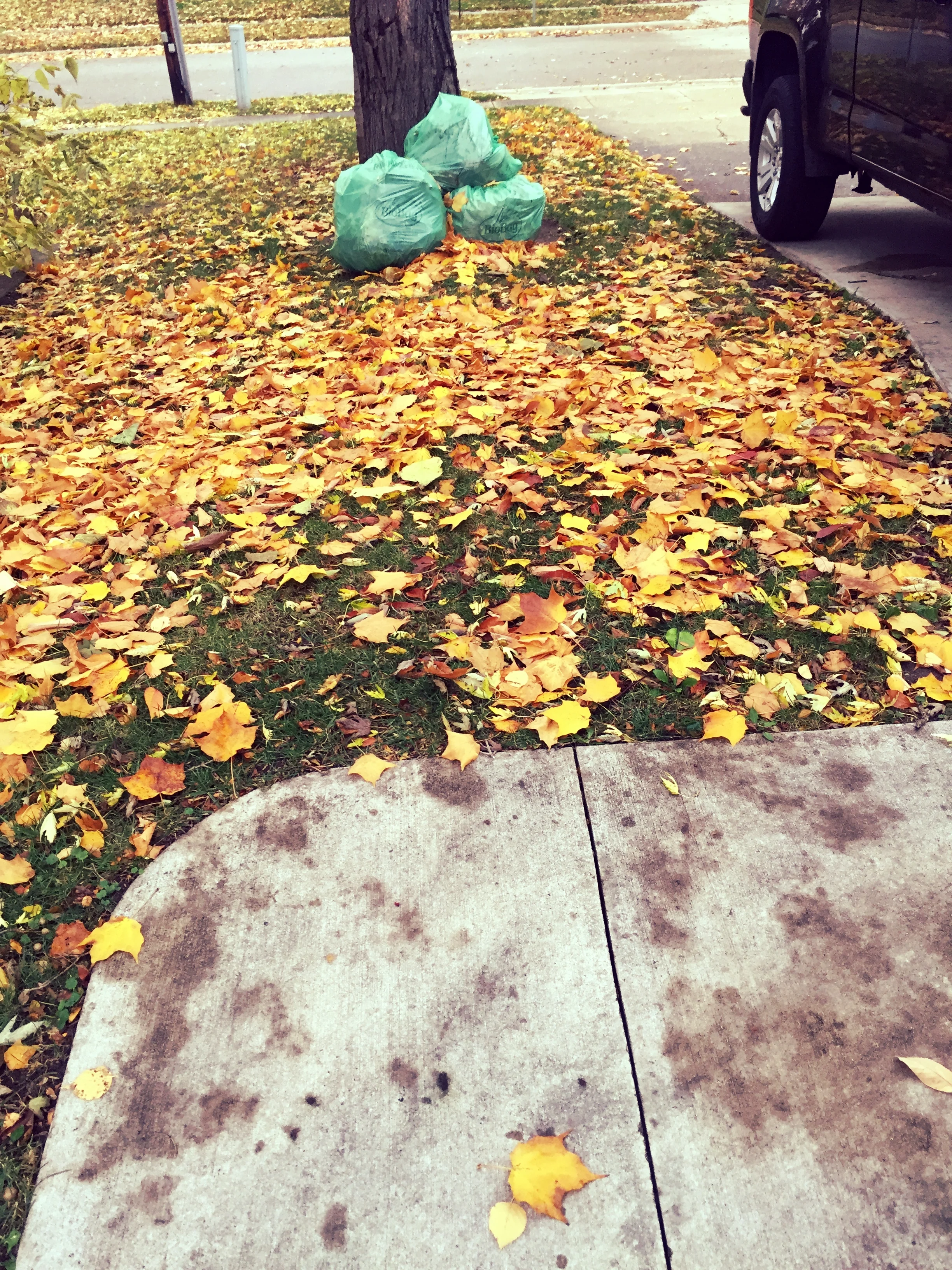
Gray, Damp, and Windy

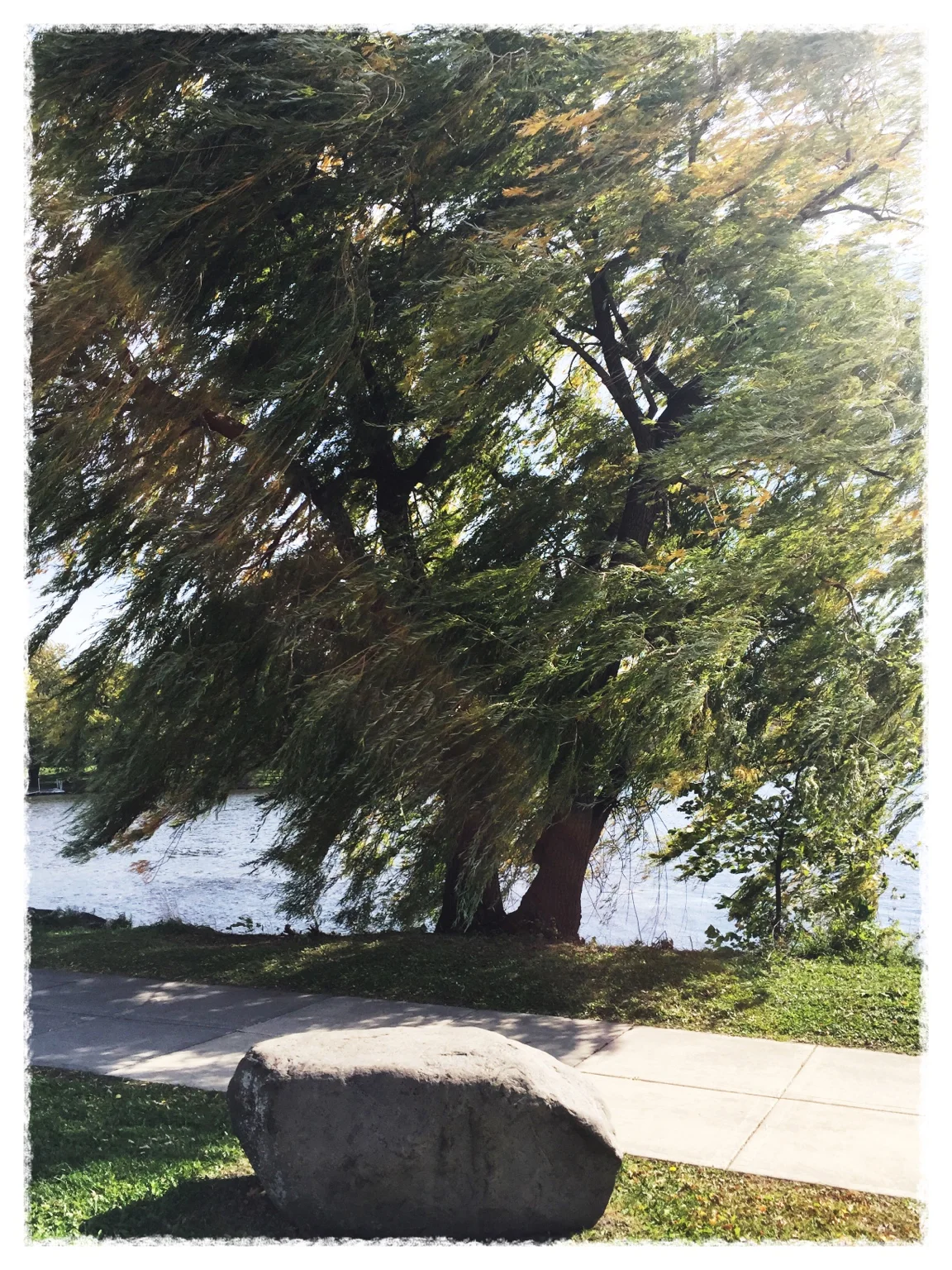
Very much autumn, and pleasant in its own way.

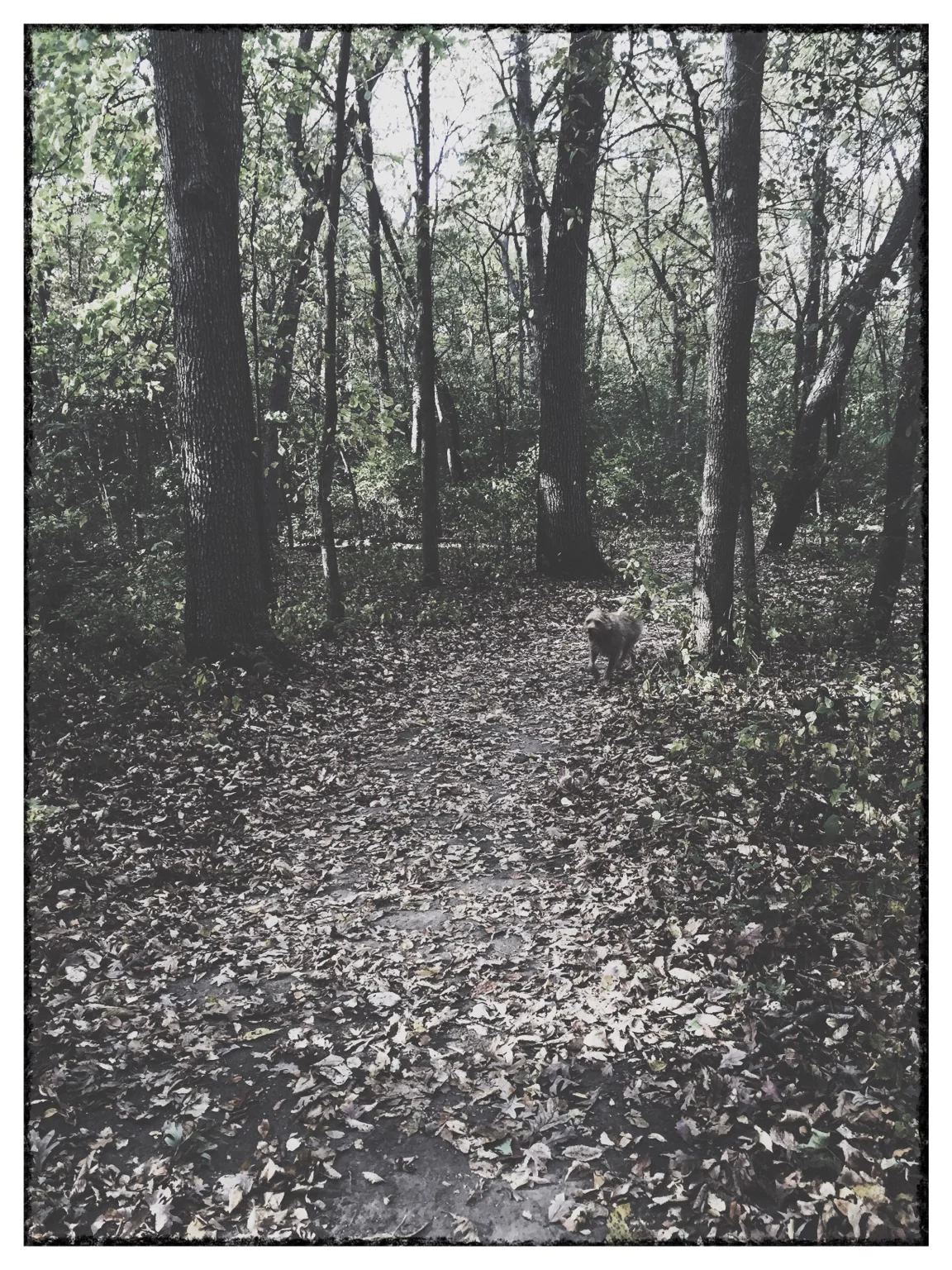
Leaf-strewn path.

Leaf-strewn path.

From the Prologue to the Audubon book:

Up they came from the south, following the warming days, in a great wave that burst open like a fan and covered the continent — blue geese and snow geese, canvasbacks and mallards, bald eagles and sparrow hawks, passenger pigeons in flocks so immense and tightly packed they barred the sunlight from the earth, huge birds like ospreys, small birds like warblers and sparrows which would disappear inconspicuously in the woods and fields, brilliantly colored birds like the wood ducks, mutely colored birds like mourning doves — all the tremendous variety that composed one of America's miracles. Some flew at night, some in the daytime, some stopped often for food and water, others flew for hundreds of miles without ever pausing. The wave seemed endless and inevitable and infinite, something no man could ever check, no matter how many shots he used, no matter how many arrows he put to his bow, or how many bird traps he set. The supply was inexhaustible. Shooting a hundred birds, or five hundred birds, or a thousand birds, was like taking a cup of water out of the ocean. What was true of the birds, flying their unmarked but centuries-old routes in the sky, was true also of the land beneath them and the things that grew on it. There were enough trees to replank every ship in the world and not leave the mountainsides bare, enough to house whole cities and keep a nation warm during the winter nights, enough so no one worried about any individual tree or wasted time trying to save it. The best way to get wild honey was to chop the tree down. The best way to dislodge a bear or a raccoon was to chop the tree down. The best way to get sunlight around a cabin was to chop the tree down. The best way to keep the Indians from approaching a lean-to unseen was to chop down the surrounding trees. And the only way to grow corn or barley or rye or potatoes or cotton or jute was to chop down the trees. The axes rang out in a chorus of clanging steel and splintered wood from Mount Desert in northern Maine to the southernmost key on the tip of Florida, from the Atlantic coast to just as far inland as there happened to be men to wield the axes. And if there was not time to cut into the wood, to let the bark and the slivers fly at the touch of the bit, and watch the great trees crash into the nearby brush, their tops snapping off under the force of the enormous impact, they could always be ringed or burned. Starting a fire was one way to get rid of unnecessary, unwanted trees.

Animals? There were enough beavers to put a hat on every dandy in Europe, enough foxes and martens and minks to make a fur coat for every lady. Enough buffaloes to feed a nation and make sleeping robes for them as well.  Never before had men known such congregations of animals as the great buffalo herds contained, stretching as far as a hunter could see from horseback, herds grazing quietly on the prairies or, bunched together, stampeding with a force that made the ground shake and tremble beneath their feet.

There was enough water to slake the thirst of millions of people, to turn their mills, to float their boats — first canoes, then boats under sail, then steamboats puffing up the Hudson and the Delaware and the Ohio and the Missouri and the Mississippi and a hundred other rivers — boats that carried first explorers and trappers, then farmers and traders and merchants, and finally people who knew almost nothing about the land, had no link with it, hardly knew an oak from a maple, or a sparrow hawk from a mourning dove, and could not have worried less about not knowing. Yet there was still enough water left after it had turned the mill wheels and carried the boats, still enough pure water left to support the fish — the trout and the bass and the pickerel, the giant muskies, the sturgeon, and the catfish—catfish so large that often a single one would make a meal for an entire family.

 As for land, there was enough for everybody. A man did not need to be rich to own land in America. He had only to be strong enough to take it,  strong enough to travel to it and grab it from the Indians or the forest, strong enough to cut down the trees and clear it. Sometimes he had to pay for it with money, but if the price was too high in Massachusetts, he could go to New York. If it was too high in New York, he could move to Kentucky or Texas or Arkansas or Indiana or anywhere else, and the only thing that could stop him was the Pacific Ocean. He did not even have to care for the land after he got it. He could plant tobacco in Virginia, cotton in Georgia, onions in Connecticut, until the land was exhausted and lay naked and barren in the sunlight and never bother to fertilize it, for it was not worth fertilizing. He merely loaded his family into wagons and moved westward and took up new land. When that, too, was exhausted, he packed up his family again. Land was cheap. There was enough land for everybody.

So the people came to take the land, first in a trickle, a few lonely adventurers, and then in increasing swarms. Long-bearded Spaniards with swarthy skins. Laughing French voyageurs.  Hard-drinking Anglo-Saxons, who fought and cursed and scrapped and carried a Bible in their wagons. Poles and Hungarians and Italians and Germans and Scandinavians, each anxious to share some part of the continent's riches. Always in the lead were the explorers, LaSalle, Hudson, Champlain, Croghan, Boone. Then the settlers, the men who were as interested in staying as they were in moving. They cleared the fields and built the farms and sowed the crops and bred the children, driving their roots into the ground and making a living out of it and establishing families that some day would move west again. Then the traders and the merchants and the doctors and the lawyers, the flatboat men who steered the great clumsy arks down the inland waters, the bandits with guns in their hands and prices on their heads, the scientists, the statesmen, the heroes — some moving here in hope of a better life than they had ever known; some, like the black-skinned, sweating slaves, brought here against their will to find one worse than they had ever imagined.

Between them all, riverboat gambler, college professor, New England farmer, Virginia planter, they took their toll. They shot the golden plovers by the thousands. They clubbed the passenger pigeons to death by the millions in Kentucky and Pennsylvania. They stripped the fields of their fertility in Mississippi and Georgia and Vermont. They poured their wastes into the rivers, because it seemed cheaper to get rid of waste that way than any other. They trapped beavers by the thousands, skinned them, and shipped the pelts abroad, while the corpses rotted in the woods or provided food for the wolverines. When they were hungry and wanted meat, they shot a buffalo or a bear or a deer and sometimes they made only one meal from it. Animals were plentiful, and time was short. It required time to dress and cure a whole animal.

Sometimes the men-and their women, too — were harsh and brutal and cruel. They would cheat an Indian or swindle him or lie to him. Although the Indian was here first, his numbers were insufficient to defend his own. They would lash a Negro slave until his back was bloody, shanghai a sailor, or make children work in factories. But, for the most part, they were good people, unthinking perhaps, but good. And they had in common a dim, obscure vision of something they wanted, although they had trouble putting it into words and saying what it really was. Only a few of them could do that, those with a special mastery of language and a special vision. Even fewer could get it down in words about the land and the trees and the prairies and the mountains and the great flights of birds and swarms of animals. It was all too big. They could see, but they had trouble saying what they saw, or writing it, or painting it, and making others understand.

So when the people slaughtered the birds, shooting them down by the thousands, or burned the forests, or left the dead buffaloes rotting and festering in the sun, it was not so much from brutality as from carelessness, not so much from thinking about what they did as from not thinking about what they did. Nobody had told them.

They were pragmatic. They did not believe the buffalo herds could be exhausted, until they had pushed them to the verge of extinction, did not think the flocks of passenger pigeons could be used up, until the last pigeon finally died and the species vanished from the earth altogether. Only when they saw it with their own eyes did they start believing, and often it was then too late. What they needed were men to do their seeing for them, whose vision reached a little further than theirs, who did not have to wait until a bird or an animal or a tree disappeared to know it could disappear. Or not even that. Who could make them, for a fleeting instant, see a bird for what a bird is, make them think of golden plovers as something more than a crop that could be harvested free except for the cost of shot, of beavers as something more than fur for men's hats, of trees as something more than firewood or planks.

There were not many such men.

But there were some. Just enough to check the ravage before, once and forever, it was too late.

Just enough to give the others one last, one irretrievable chance to save what was left.
 

In Libris

It's always fun to visit the Dwight Foster Public Library in Fort, and today, after breakfast, we spent a bit of time there, me in the reference section paging through about a hundred plates of Audubon's Birds of America. Though I have encountered the book before, and know some of the images, I thought it only proper to look more closely—seeing as I am nearing the conclusion of the Audubon biography, which is really quite a strange tale.

Leaving the library, we headed to the Bark River, where all of us, Pax included, enjoyed a good walk in the out-of-doors. Driving home we followed the Rustic Road along the Bark almost all the way home.

The barometer has dropped on an east wind, and we now have light rain. According to my WeatherBug app, the nearest lightning strike is 732 miles away, so no worries on that front. 

Looking forward to the next episode in season 4 of Longmire.

Sunday Drive

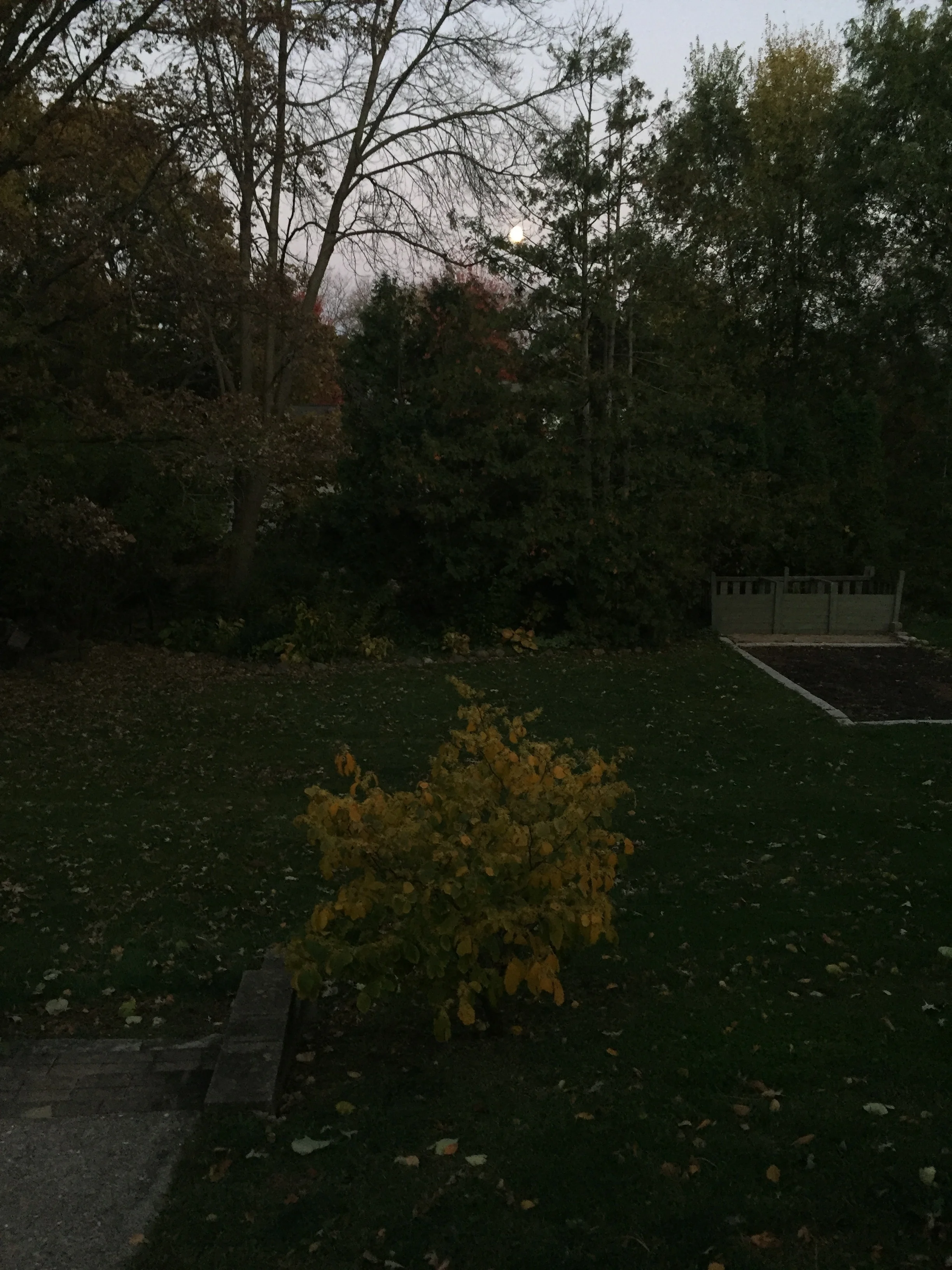
It being a beautiful Sunday, and me incapable of raking leaves, we decided to go for a Sunday drive...to Oconomowoc and then through northern Kettle Moraine country to Fox Point. Scenic and relaxing all the way, and brief but fun opportunities to check in with all five grandkids (and their parents). Back home, a waxing, almost full moon rising over the backyard.


Finally, Some Clouds

Seems we've been living in New Mexico the past few weeks, dry and sunny and desert-like. But today a few clouds, and even a few widely scattered spatters. I've been starting to worry again about water levels.

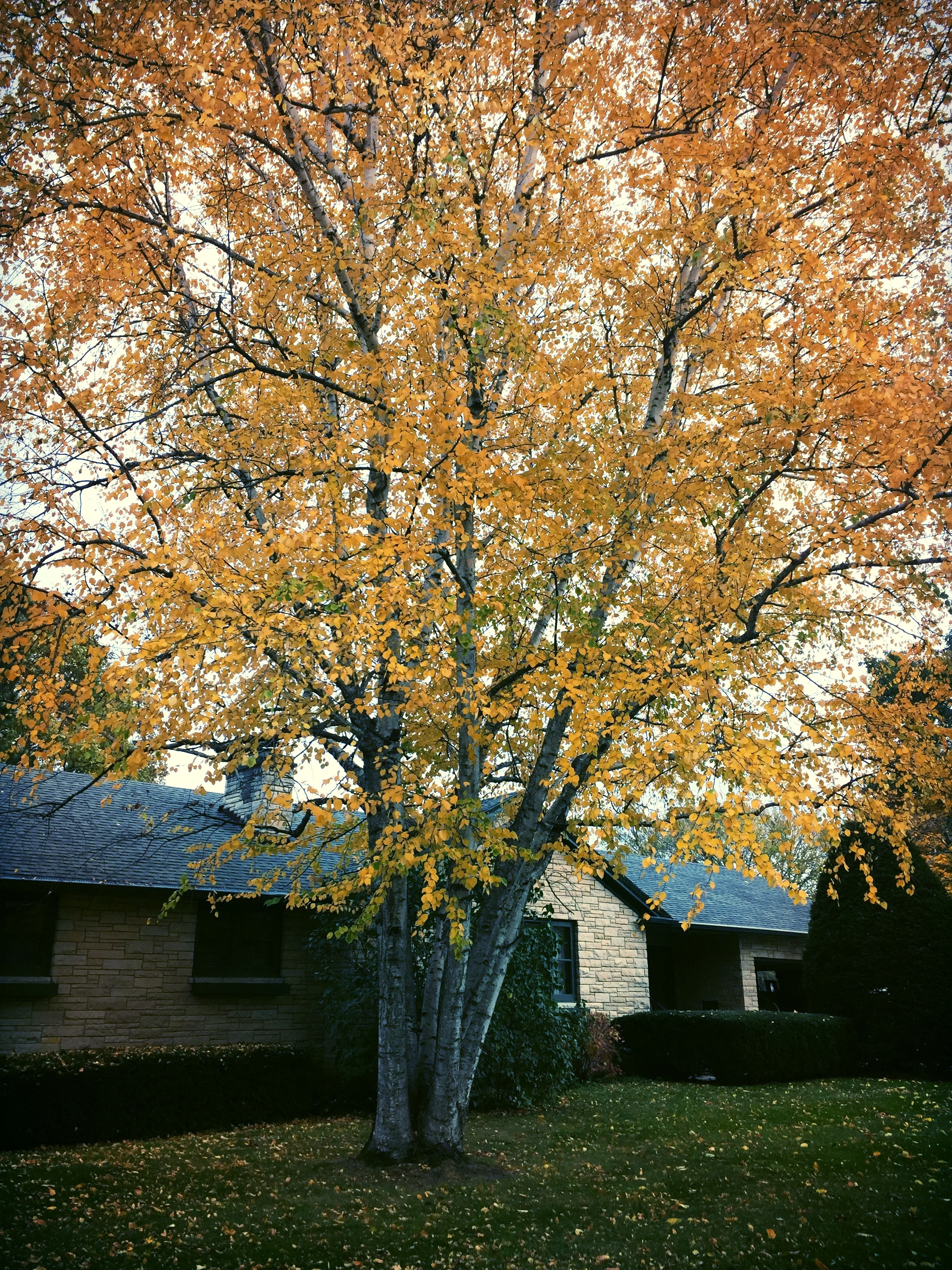
Front yard birch signing off for this year.

Front yard birch signing off for this year.

Pax and I encountered lots of robins on our afternoon walk today. Lots. A flock. Maybe they think this southwestern weather will not last much longer? And on on prairie path, we had to avoid stepping on dozens of grasshoppers, some dead, but most immobile and unresponsive. I'm thinking the brief cold snap got to them, and their only future is in their progeny.

I'm at the point in the Audubon biography (1820) where he is, now in middle age, floating down the Mississippi, with nothing much more than his gun and a dog, completely destitute and depressed, hoping to find birds to draw so he can possibly put together a book which people might buy. Meanwhile his wife and two children are in Cincinnati trying to survive. I keep wondering if he will bump into Mark Twain, but of course, Twain wasn't on the river until almost forty years later. (Audubon did go squirrel hunting with Daniel Boone and he did extort money from the brother of the great English poet John Keats.)

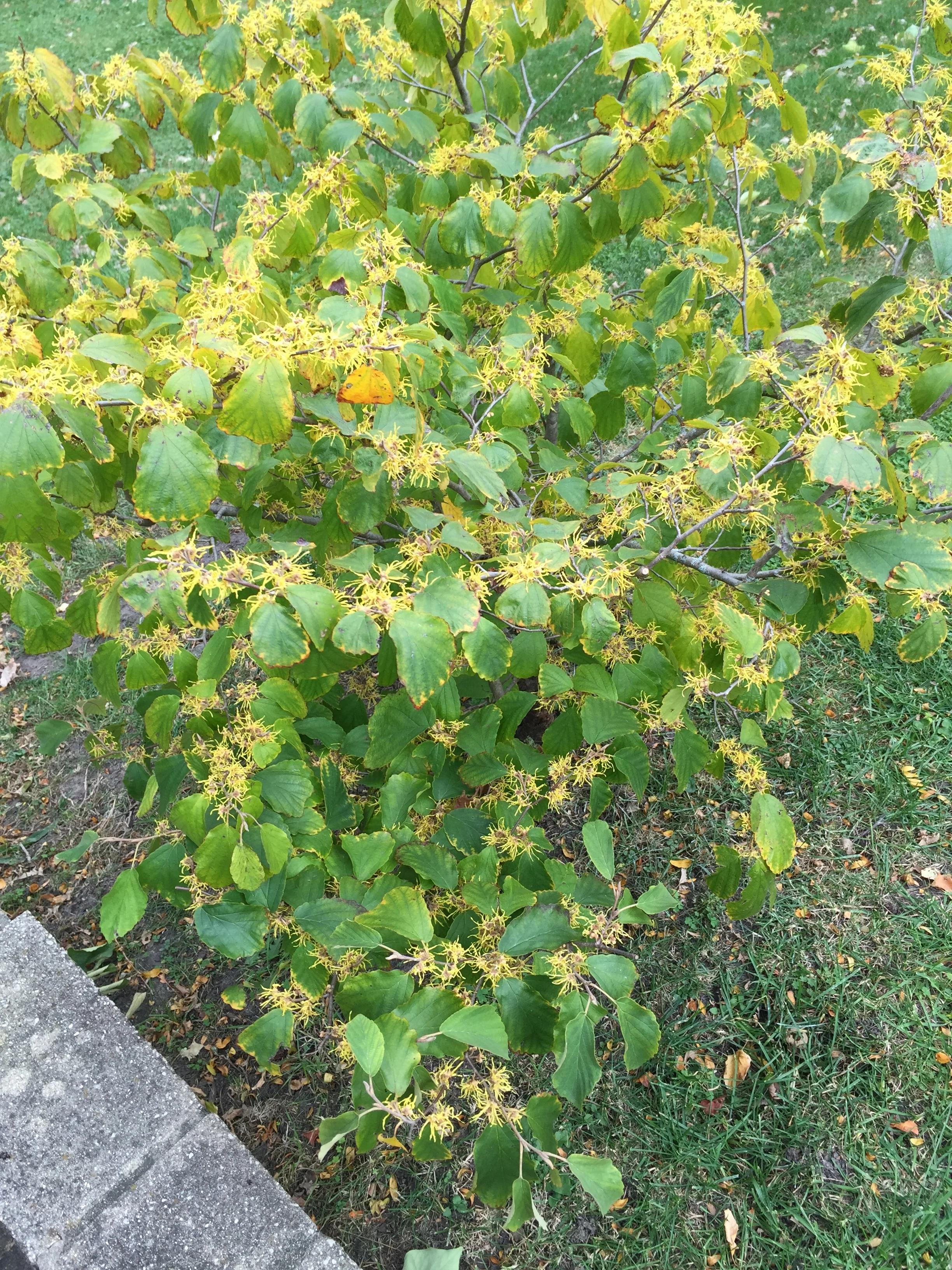
Witch-hazel

Not the Halloween kind of witch, but the water witching kind. Odd plant—blooms after frost at the same time last year's fruit are maturing. North American native.

Witch-hazel in full bloom.

Witch-hazel in full bloom.

Busy day in the back yard. Lots and lots of insects, all apparently unharmed by the recent freeze. Also, lots of birds, perhaps enjoying the fall seed bounty or perhaps the bountiful insects. And this evening, two bats cleaning up the darkening sky.

Bats, without eyes, see the world probably not that much differently than we do, in some ways even better. Different signals come to the brain, but the brain creates what becomes the moving picture. And, along the same lines, raptors, and probably most other birds, have a very short neuronal path between eyes and muscles and thus can react almost instantly.

Big day for Canada. Ding, dong, the witch is dead. Or, more prosaically, the oil-soaked robber baron has been thrown out.

Warm and Windy

Strong southwest winds shaking the deadwood out  of the trees. Not the best day for bike riding, but quite a good one for dog walking.

Reading John James Audubon, a Biography, by Alexander B. Adams. Seeing as Katy and Will (along with their parents) live next door to the Schlitz/Audubon Center, I figured I might as well know more about the namesake. Finishing this book, I will have to read about Schlitz. It turns out that for the first half of his life Audubon was striving (lazily) to be a merchant, and pretty much the only thing he succeeded in selling was whiskey. So perhaps Schlitz/Audubon makes sense. A shot and a chaser, or rather, a chaser and a shot?

Puff, the Magic...

Thanks to Katrina for this amazing photo; it could go viral:

Cold over night, but warming dramatically into a perfect Indian summer day. (Indian summer being defined as warm, sunny and dry, often with little wind, after a killing frost, or so I think.) (It is actually very dry here, too dry, all across the state of Wisconsin.)

But, taking advantage of the fine weather, I took the bike for a ride—the big loop, circumnavigating the City—which amounted to 9.95 miles with a average speed of 10.48 mph. I will argue that the speed is acceptable because I had to stop briefly several times, and over over half the route was done on sidewalks.

~~~~~~~~~~~~~~~~~~

"...and frolicked in the autumn mist..." or should we say sunshine?

The Play Is Not The Thing

Over to Mineral Point for the annual southwest Wisconsin art tour, and for our semi-annual meet up with the Russo's (Batavia H.S.)

IMG_9132.JPG

Then to Spring Green and the American Players Theatre (on the Wisconsin River very near Taliesin and the House on the Rock) to see Edward Albee's Seascape. Albee may have written the Zoo Story and Who's Afraid of Virginia Wolf, but when it come to Seascape, all I wanted to do was e-scape. A high-priced hour-and-a-half of pain—but the lizards were good.

Light the Fire

First, we fired up the chiminea and reduced a season's worth of twigs and other droppings to ash (while watching the sunlight slide down the back yard tree trunks. Then, when the cold crept in, we moved into the breezeway, where the pilot light was ignited and the little fake woodturning stove was turned on—the first time since March. Now that it's on, the pilot will stay that way until next March, gently warming the little room in which it sits and making a bigger fire available at a moment's notice. To every thing there is a season. Freeze warning tonight.

Last harvest from the Neglected Garden.

Last harvest from the Neglected Garden.

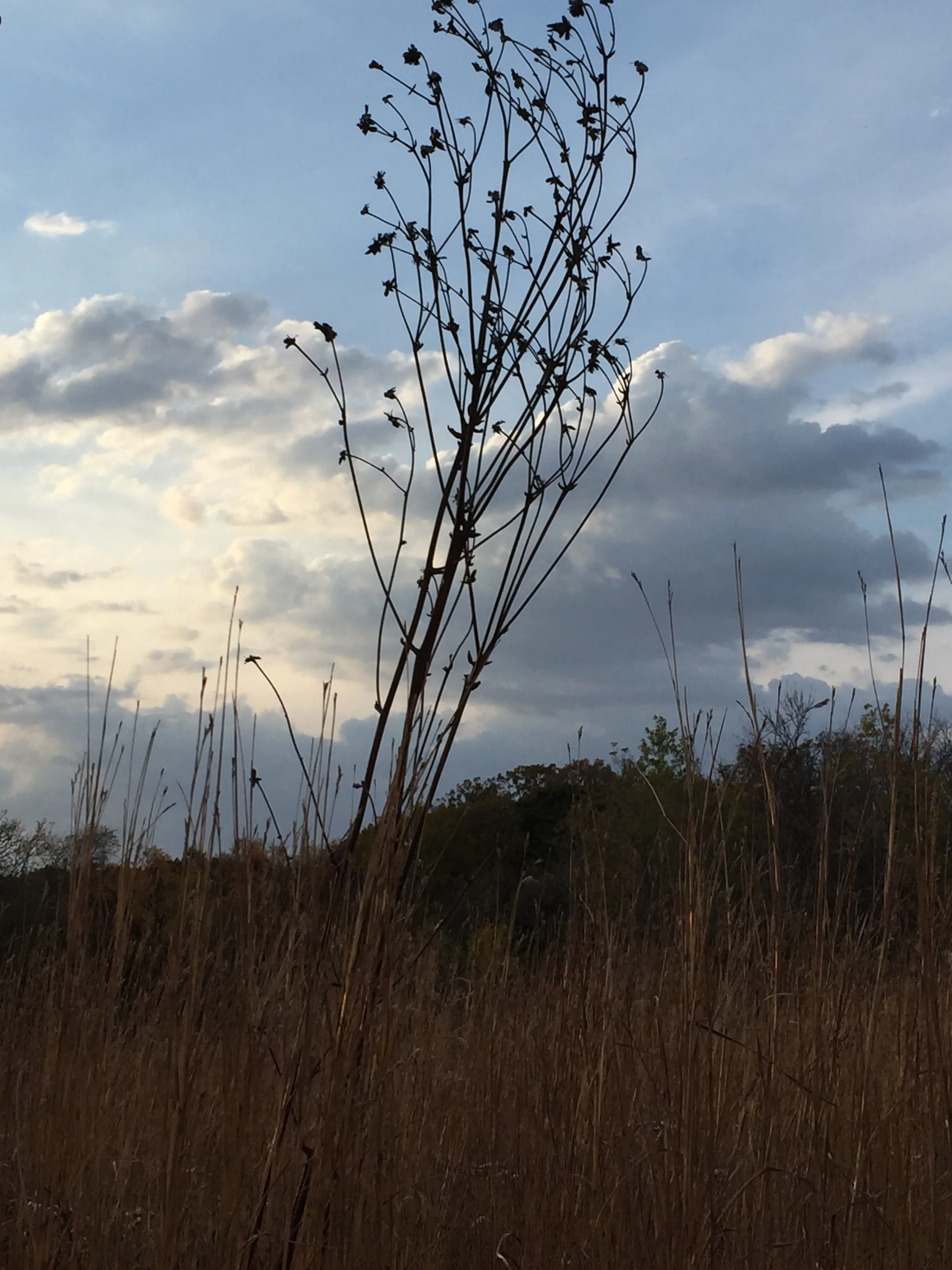
And, some aspens on the prairie's edge.

And, some aspens on the prairie's edge.

 A comment based on NYT columnist Tim Egan's most recent column:

So, this "Tea Party Republican woke up, turned on the lights (powered by the TVA), washed up (with water regulated by the EPA), had breakfast (with food approved by the FDA and the USDA), checked his bank account on-line (using the internet invented by the Department of Defense) to be sure his Social Security had been deposited in his bank account (insured by the FDIC), checked his stock account (regulated by the SEC), then drove to town (on a highway built with federal grants and in a car that had passed safety and emission standards) to go to the post office to mail his check to support the candidate who promised to "get the government out of our lives."

Bring In the Rosemary

The average first day of frost here in southern Wisconsin is October 15. Last night we came close—I actually thought I saw some frostiness on the roof of the community center in the park as Pax and I were taking an early walk, but, back home, the stuff on the top of my truck was wet and not white. Tonight could be different. And tomorrow night almost certainly. Time to cover anything tender if an extended season is desired.

IMG_9095.JPG

Down to Geneva today to help Sue (a little bit) with the setup of Janye's new apartment in Holmstad. Roads there and back packed solid no matter which way you turned.