El Arco Iris

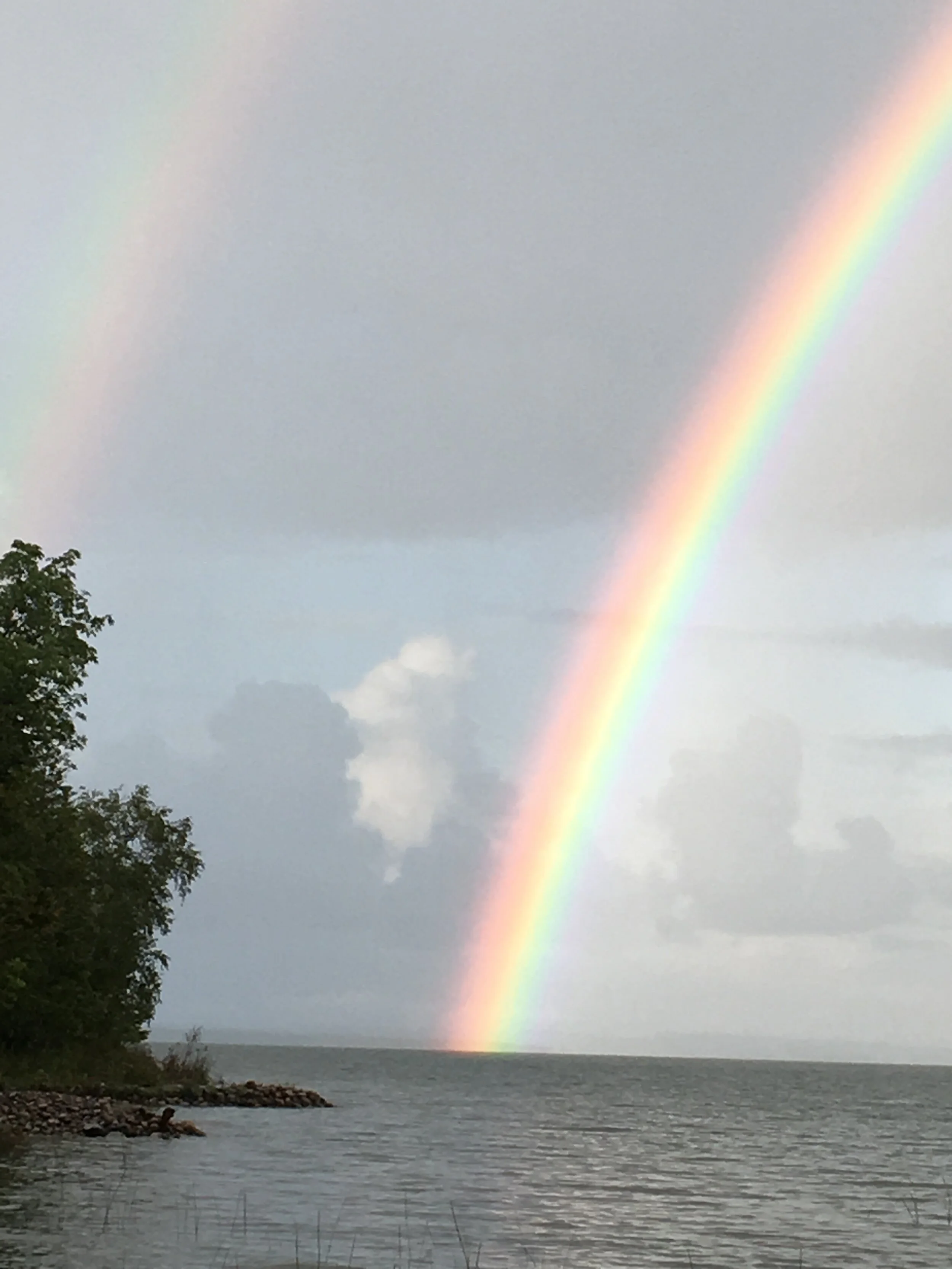
What color is a rainbow? Well, it depends on which eye you use (after a cataract procedure).

IMG_1762.jpeg

Bright, with forgotten blues, in the remodeled eye, along with 20/20 vision. Not so much in the pending oculus. And that’s the hard part—having two eyes that are so very different. To deal with the problem I’ve ripped an old pair of spectacles in half, and am using the right side as a monocle. It almost works (no photo available).

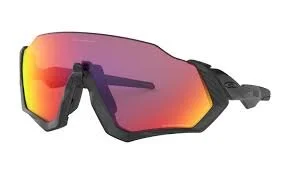
Once eye number two gets its upgrade, I thinking of some Oakleys.

Unknown.jpeg

Sunny Sunday

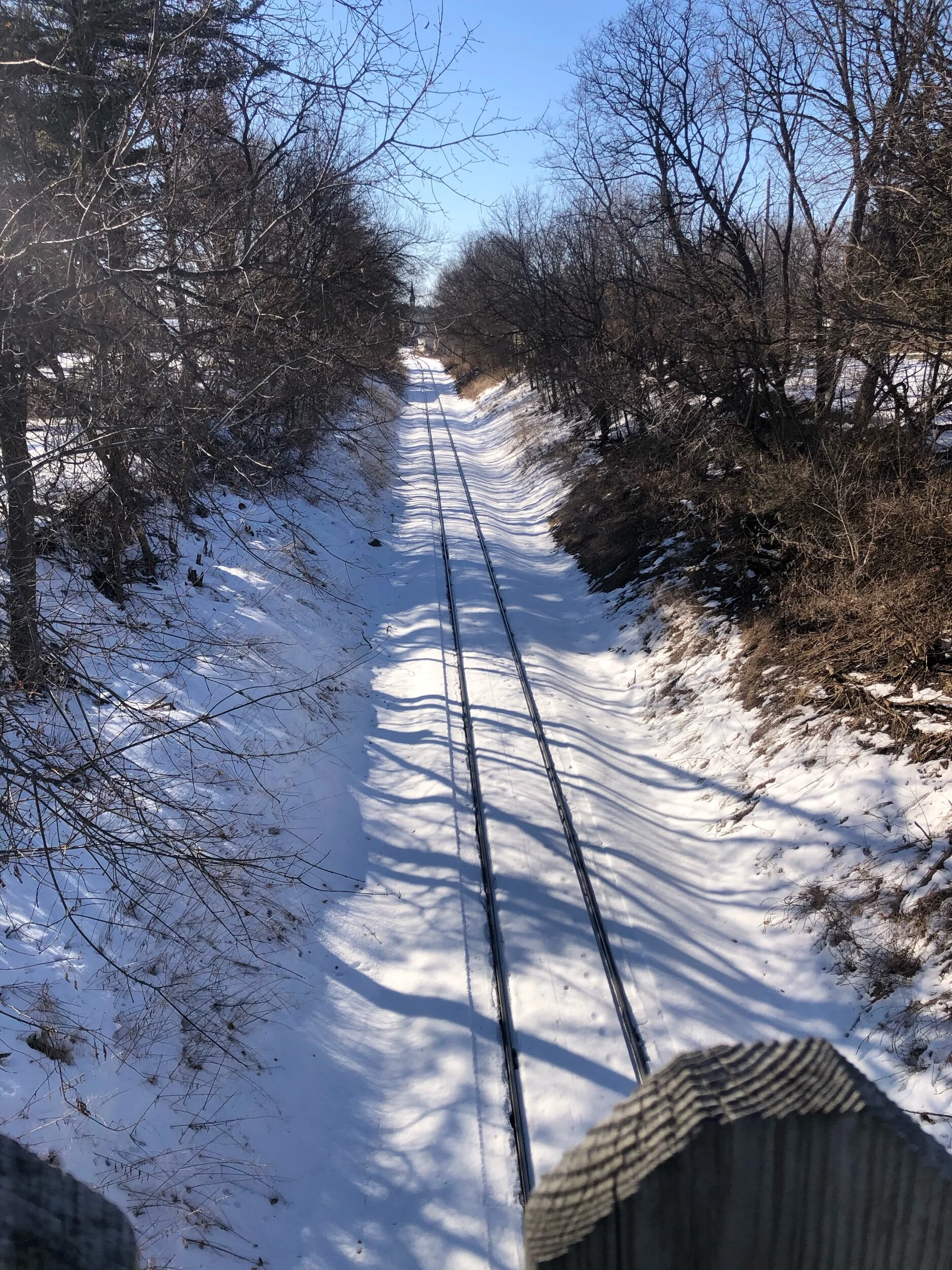
And warm enough to get out on two wheels, around town, including the footbridge over the rail road on the east side.

IMG_5312.jpeg

Soft southerly, and no impossible ice patches or impassable melt puddles (If you were willing to detour a bit). Lots of walkers, bench sitters and other two-wheelers out pretending spring has arrived.

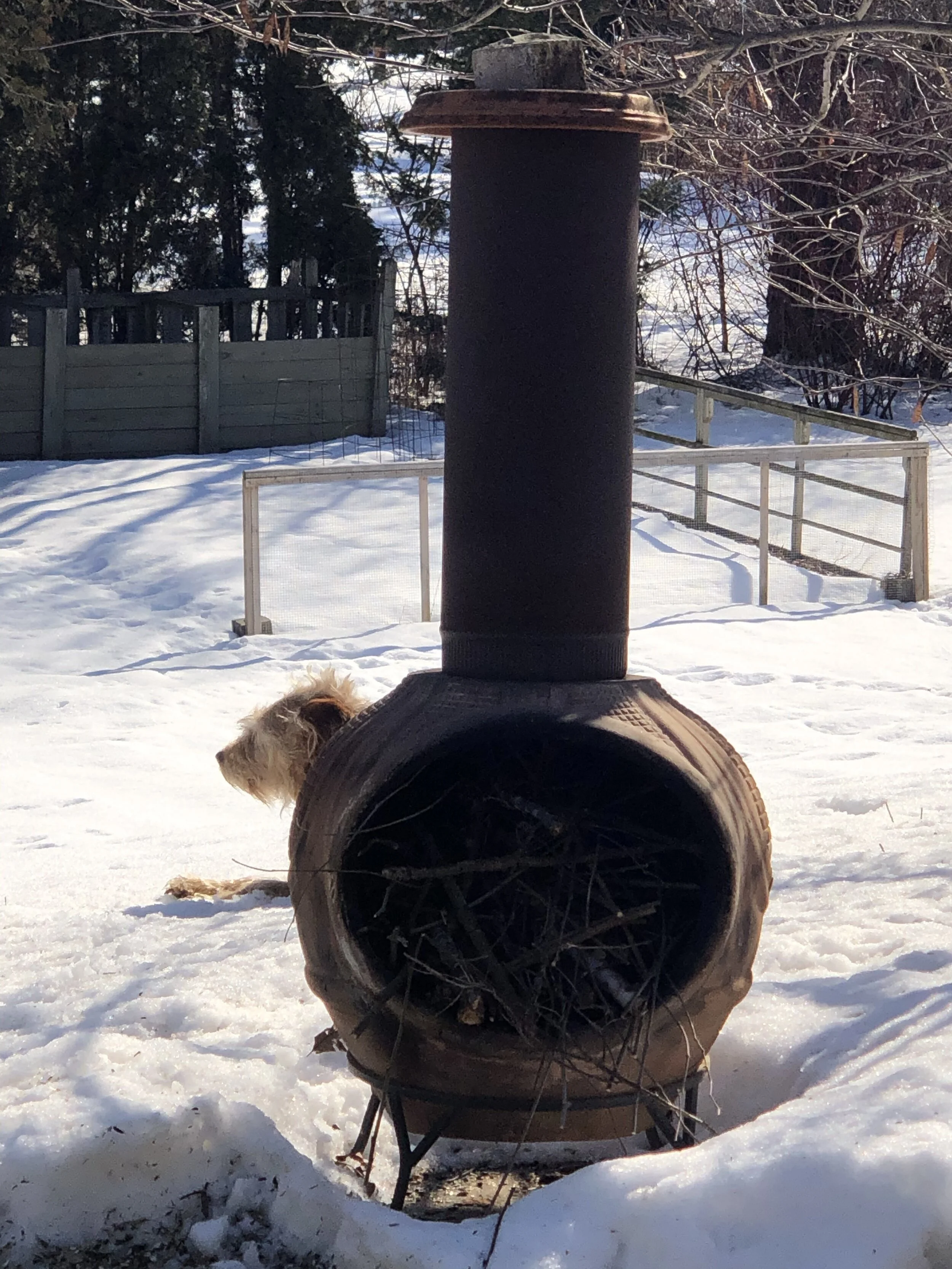
We did a little bench sitting, too, on the back patio, watching snow melt. Pax reluctant to come back in.

IMG_5309.jpeg

Potted up 4 Kentucky coffee tree seeds and 8 shagbark hickory seeds (gathered last fall, and kept in the cold garage all winter). Expectations low, but nothing ventured, nothing gained.

You Make The Call

Which…

Pip? Is that you, Pip?

Pip? Is that you, Pip?

…of the following should be included in elementary school vocabulary lessons?
(Choose all that apply)

☐ Phish
☐ Click bait
☐ Acorn
☐ Whack-a-mole
☐ Tweet
☐ Kingfisher
☐ Virus
☐ Troll
☐ Newt

Note: three of the above are among a group of (no longer used) words that were dropped from the most recent edition of the Oxford Junior Dictionary. Which three are they?

Seed Starting…

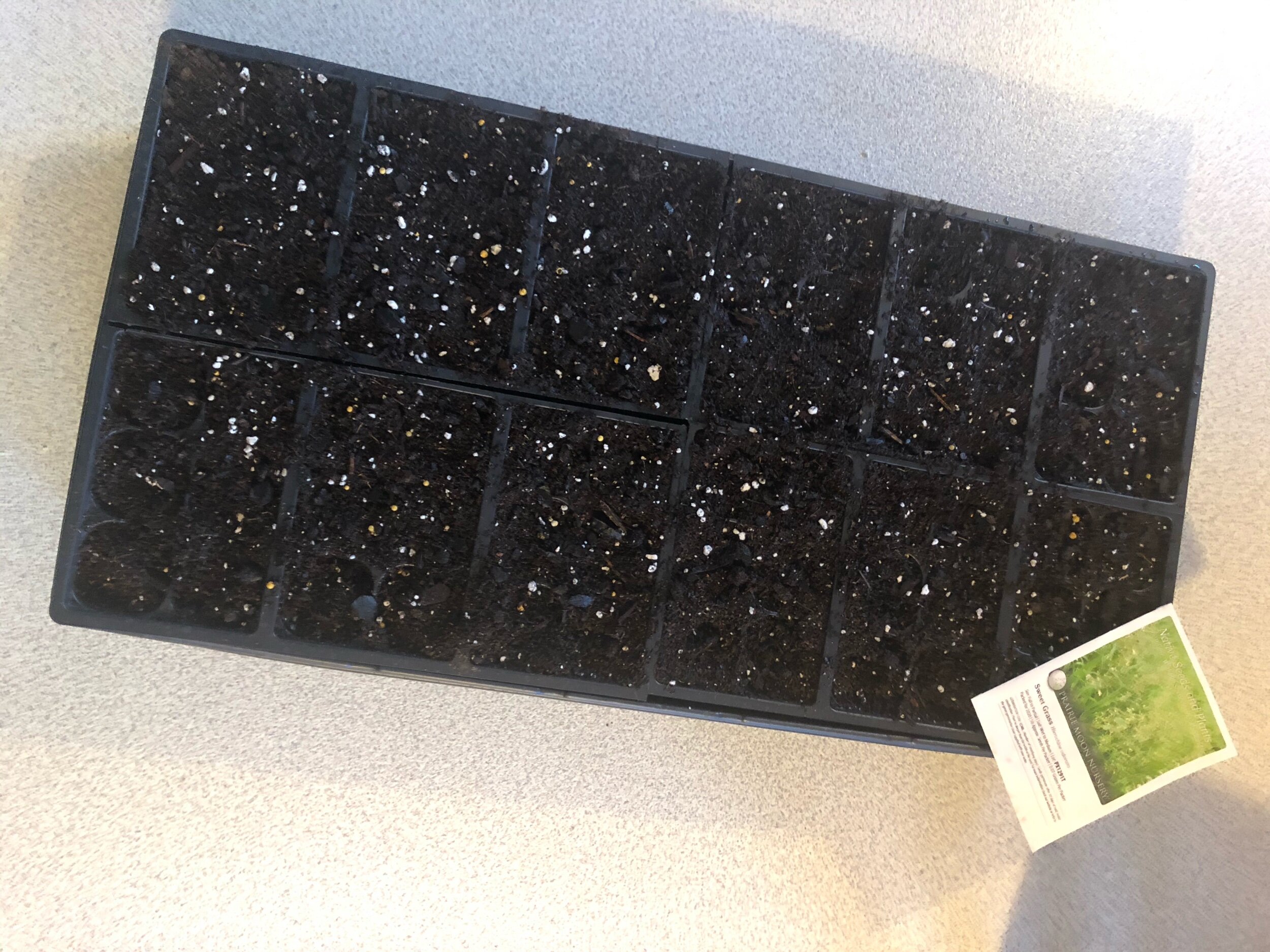
…sweetgrass. After 35 days in the fridge, the sweetgrass seeds have come out to grow. At least theoretically.

IMG_5304.jpeg

Sweetgrass (Hierochloe ororata) is notoriously reluctant to grow from seed. It needs to be stratified, which is what it was doing in the fridge, and even then its germination rate is very low. The starter tray in the photo is comprised of 72 cells, and at least 2 (and up to 4) seeds have been planted in each. I’m hoping that by the first of May at least a few of the many will have sprouted.

As a side note: I’ve also got 50 hazel seeds now taking their turn in the salad crisper.

Back Home

The Landmark Inn is a delightful place, with it’s penthouse North Star lounge overlooking Lake Superior, and it’s wood-paneled and cozy Northland Pub at street level (although the streets in Marquette are not level). But, since sleeping in hotel rooms is not something I tend to do, we decided to get back home before dark. Pax had a fine time at the Janowiec’s.

Adjustments.jpeg

Way Up North…

…again, and this time at an even higher latitude. Ultima Thule. Just about as far north in this country, at this longitude, on land, as possible. On the shore of Gitche Gumee.

IMG_5288.jpeg

Out annual Valentine’s day getaway. Deep snow, but open water. Green Bay mostly frozen, all of Bay de Noc. Strange traveling without Pax, who is staying in Fox Point, but ever so convenient.

Marquette is an interesting town.

Straight South

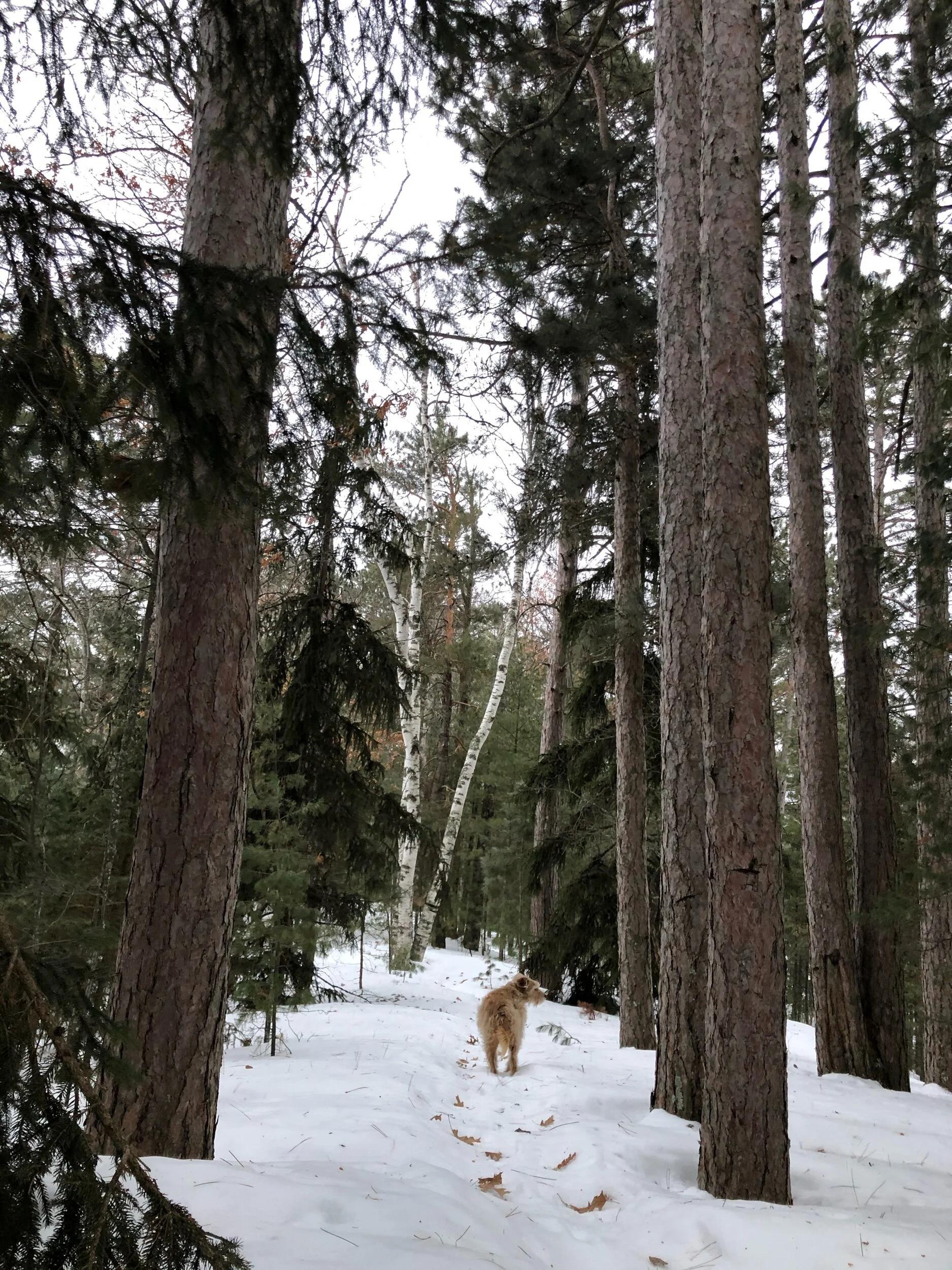
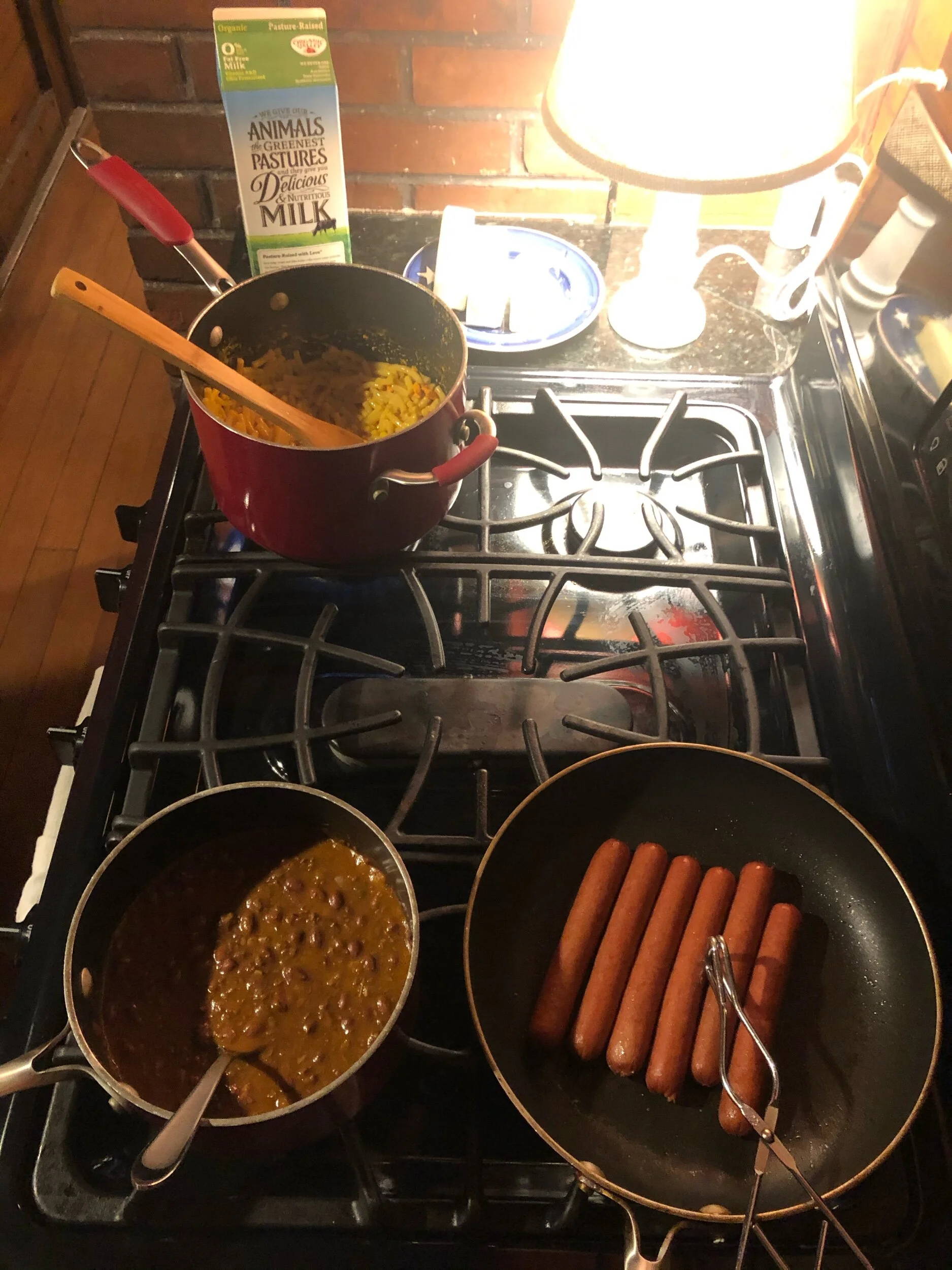
Single digits In Flambeau, above freezing in Whitewater. One stop, enroute, at Qdoba in Stevens Point; Pax has an especially refined appreciation of Qdoba grilled chicken.

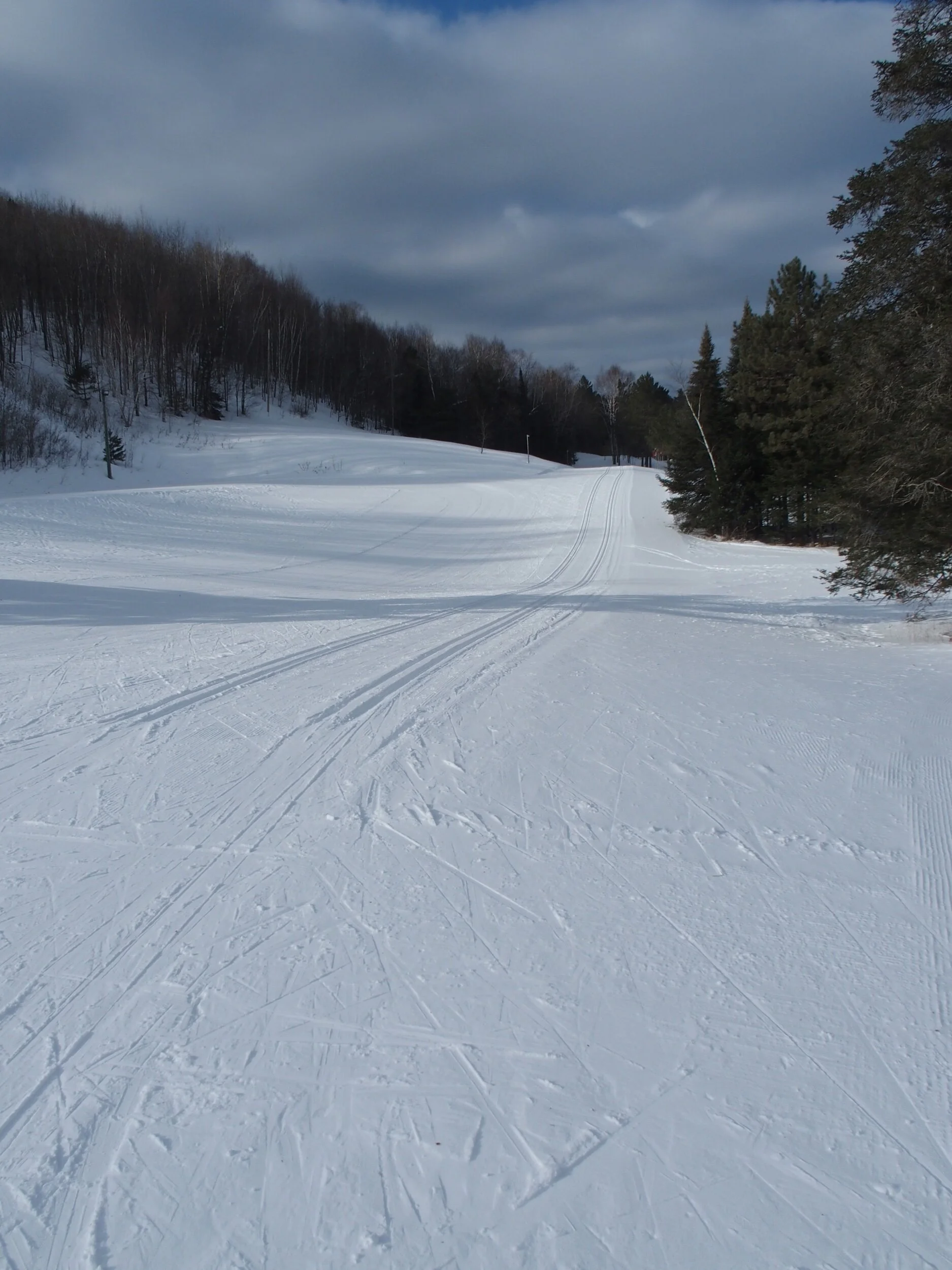
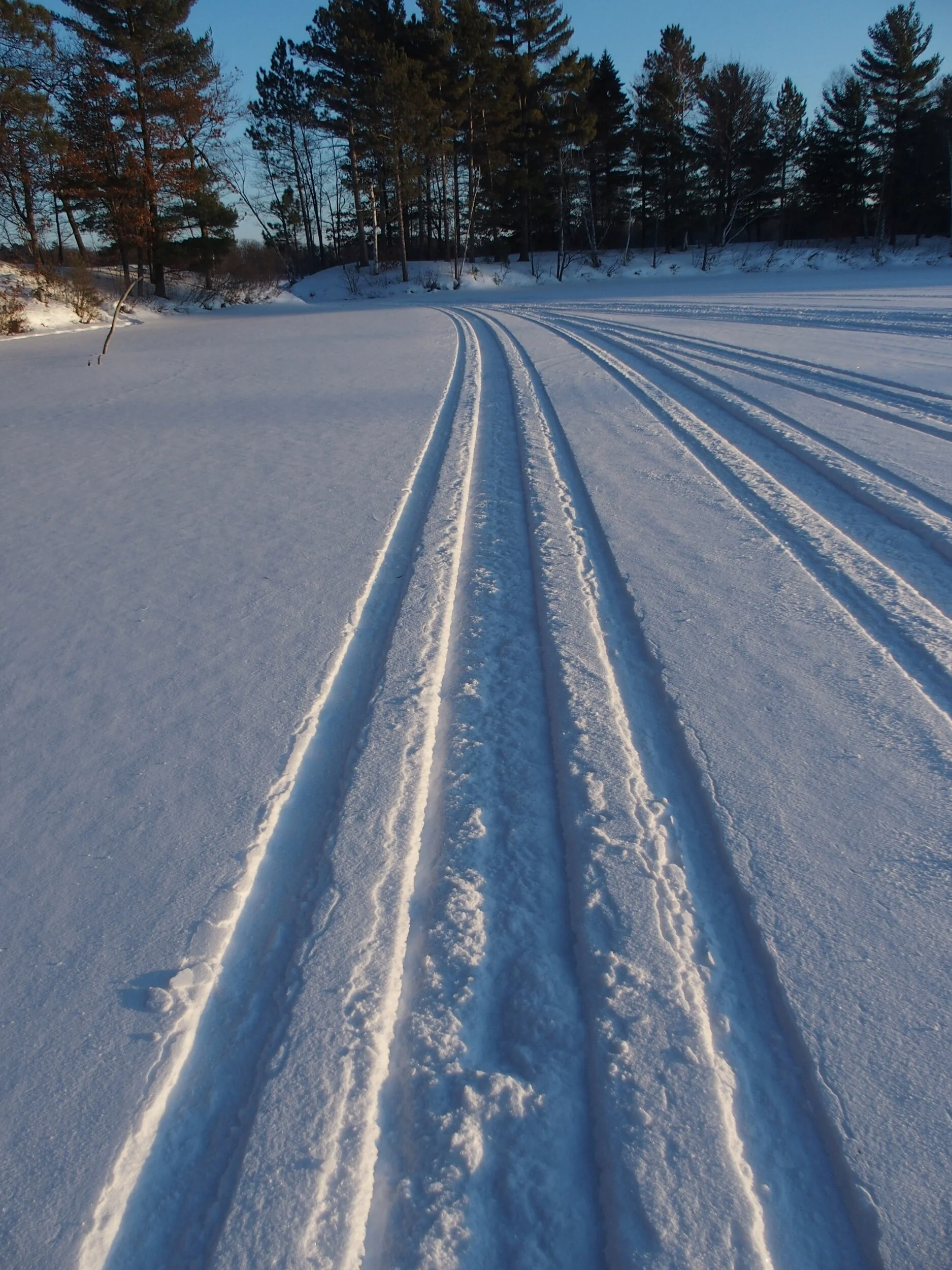
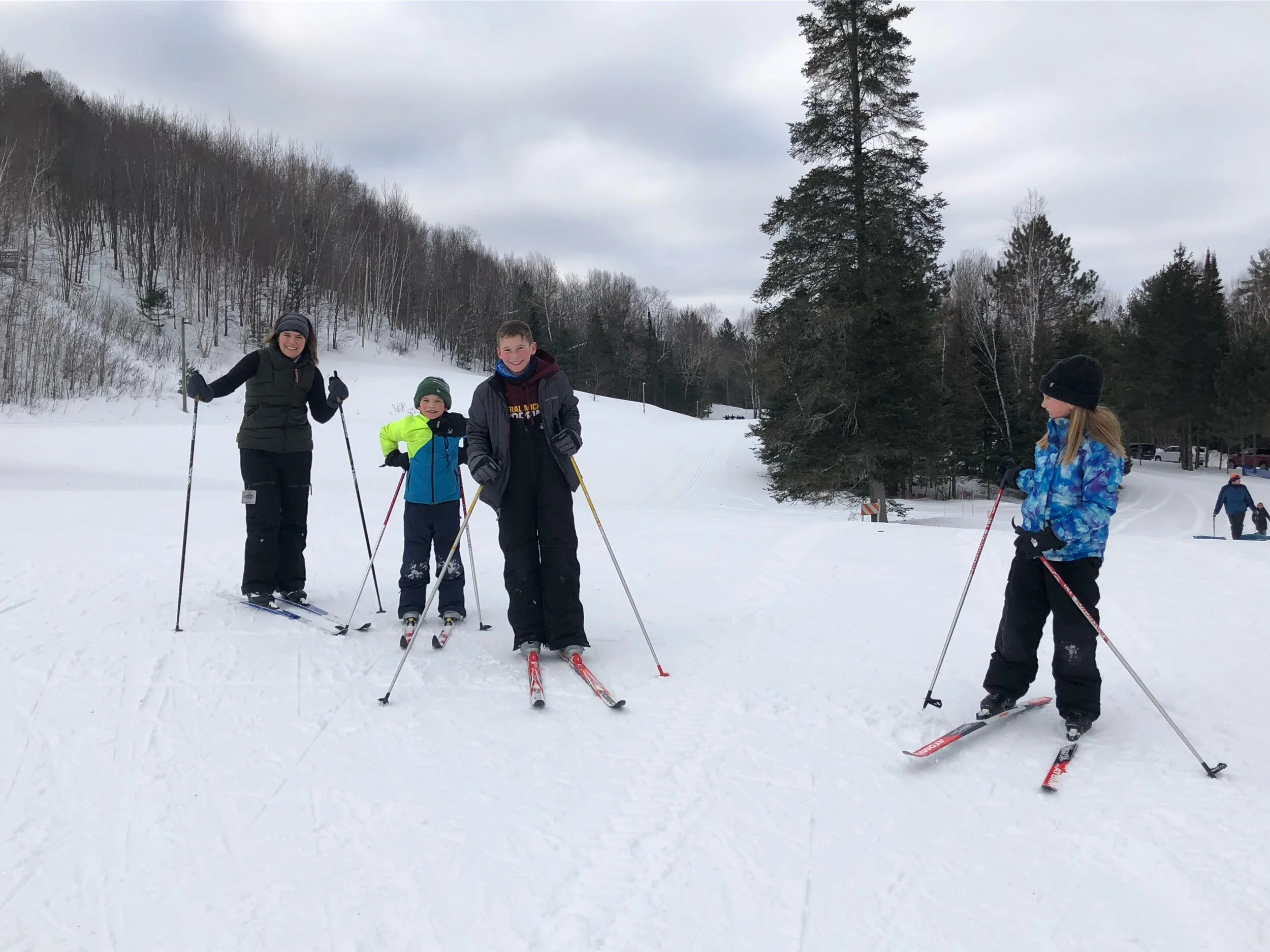
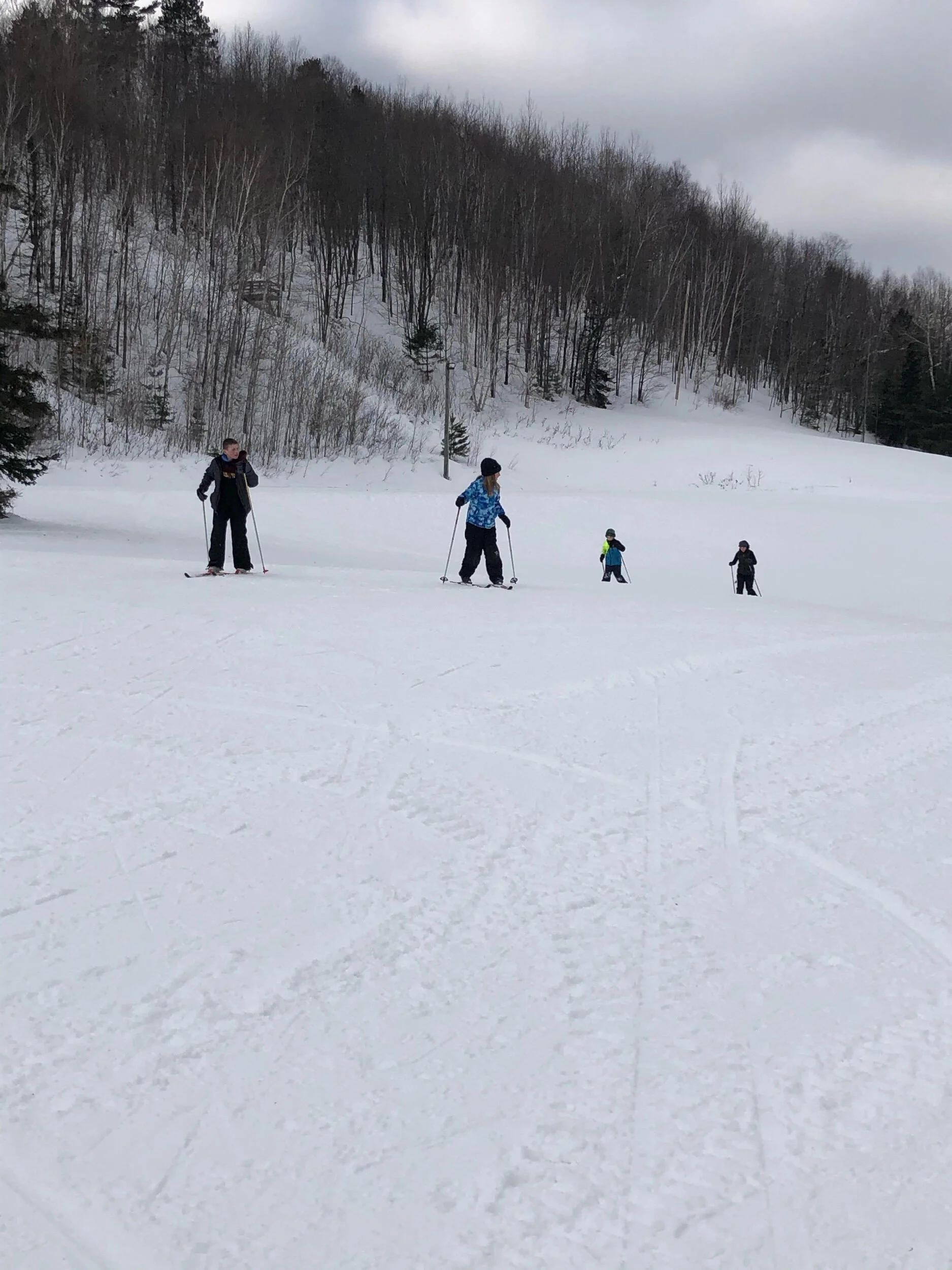
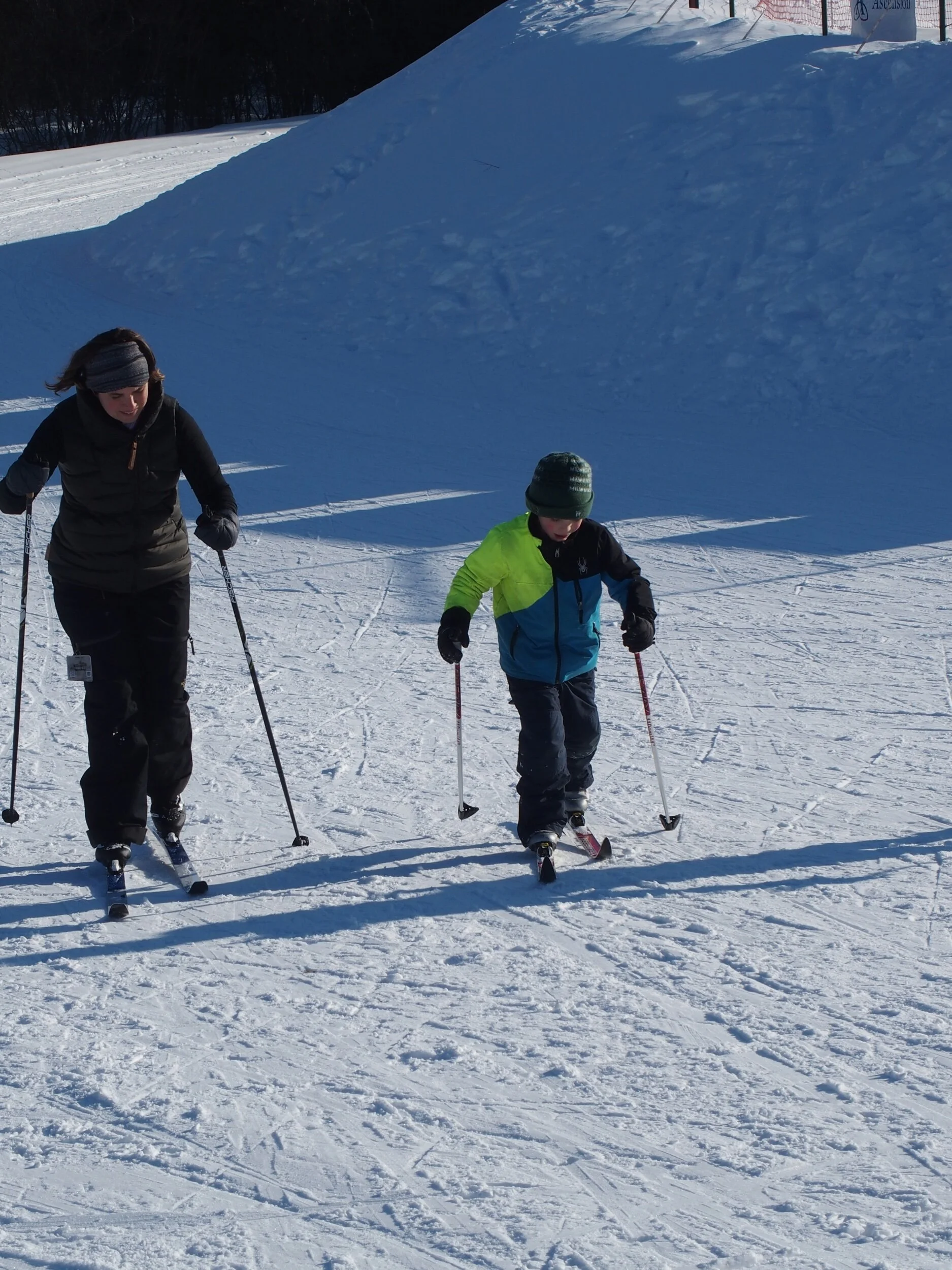
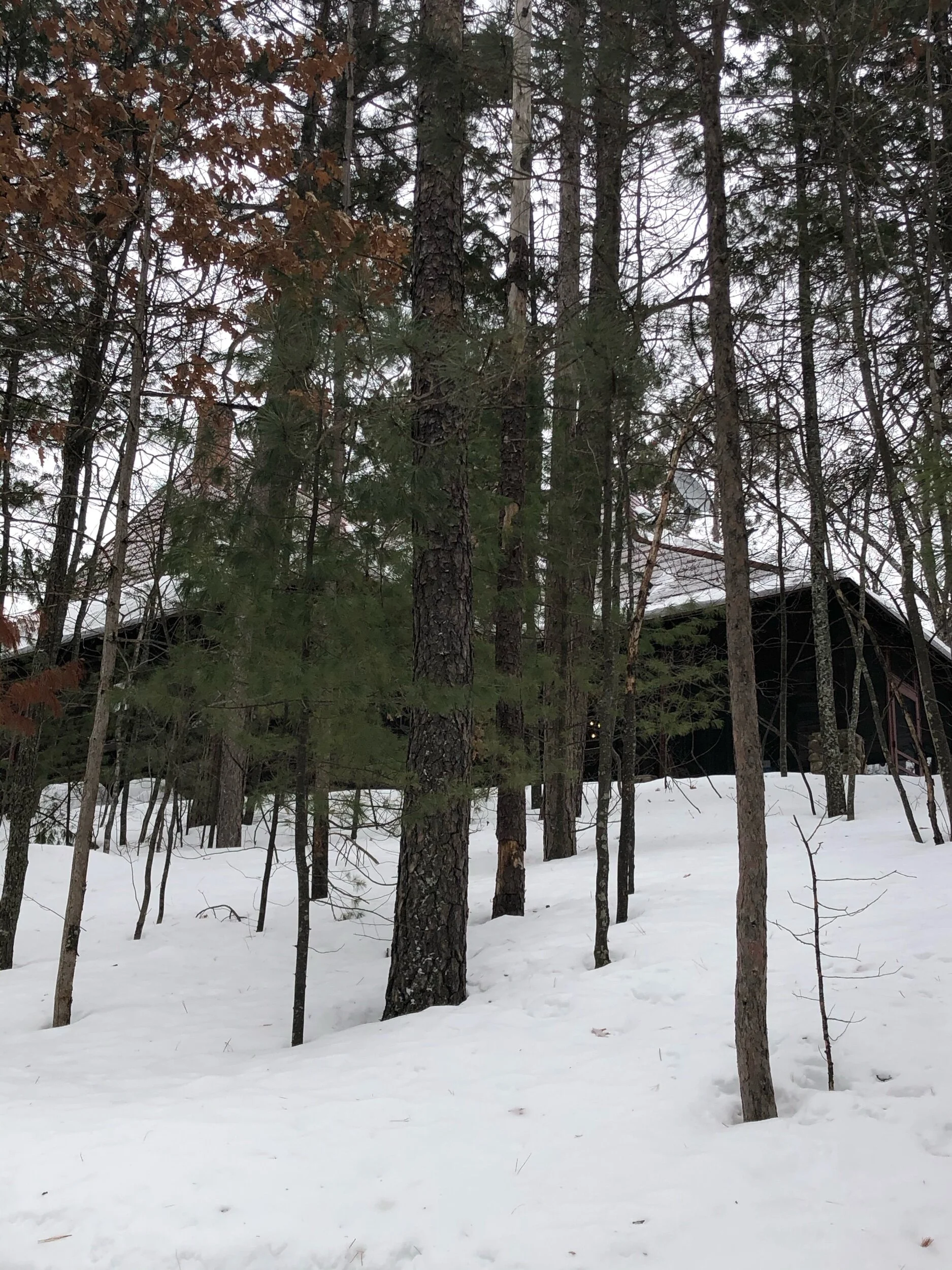
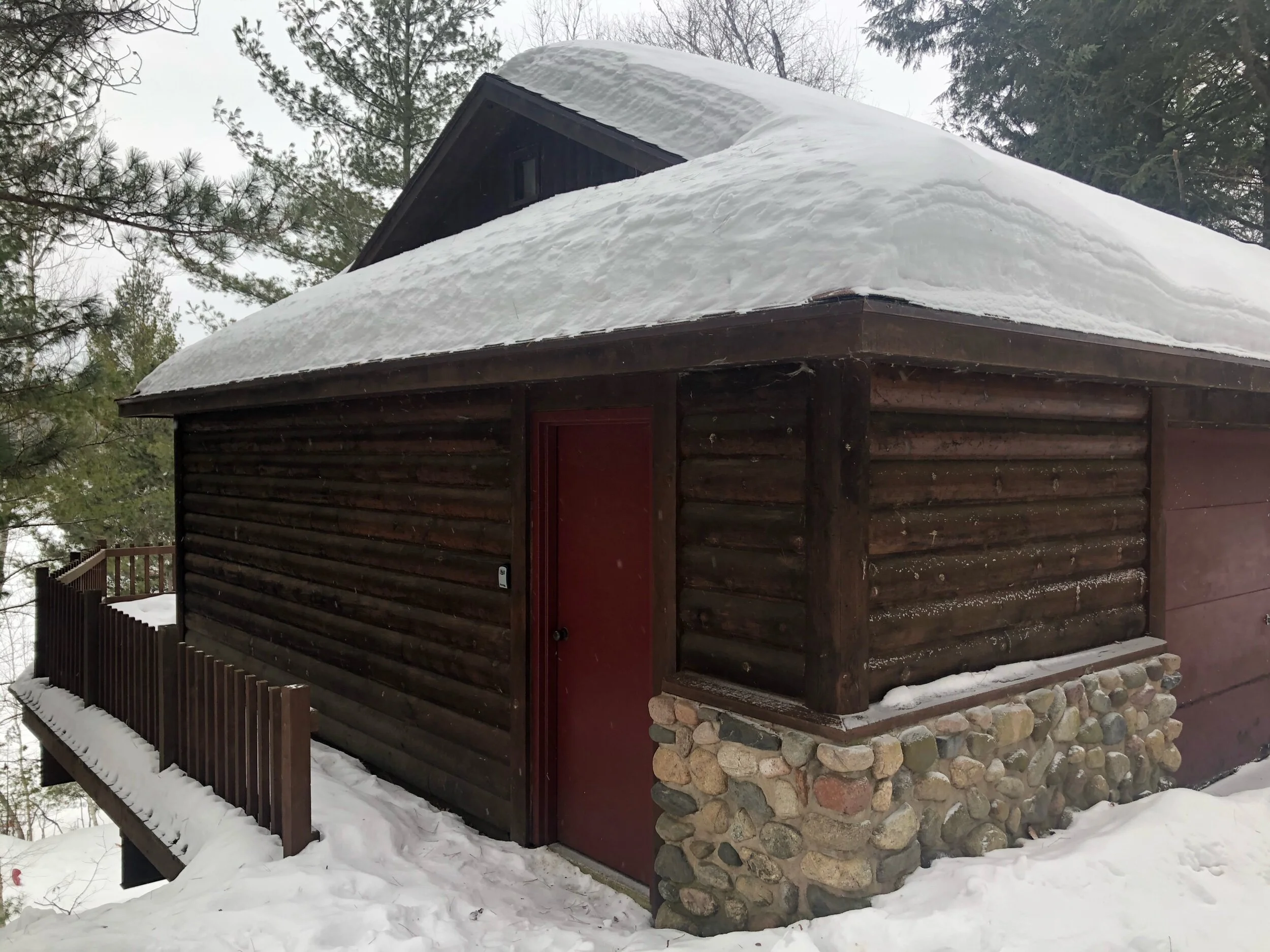
And tonight we hear that Will, Kate, Abby, and Tony have gone back to Winter Park for a candelight ski—and this after snowmobiling out to lunch. This family likes winter.

Minoqua Winter Park

Minoqua Winter Park

P2150411.jpeg
IMG_7001.jpeg
IMG_6996.jpeg
IMG_7005.jpeg
IMG_7008.jpeg
P2150410.jpeg
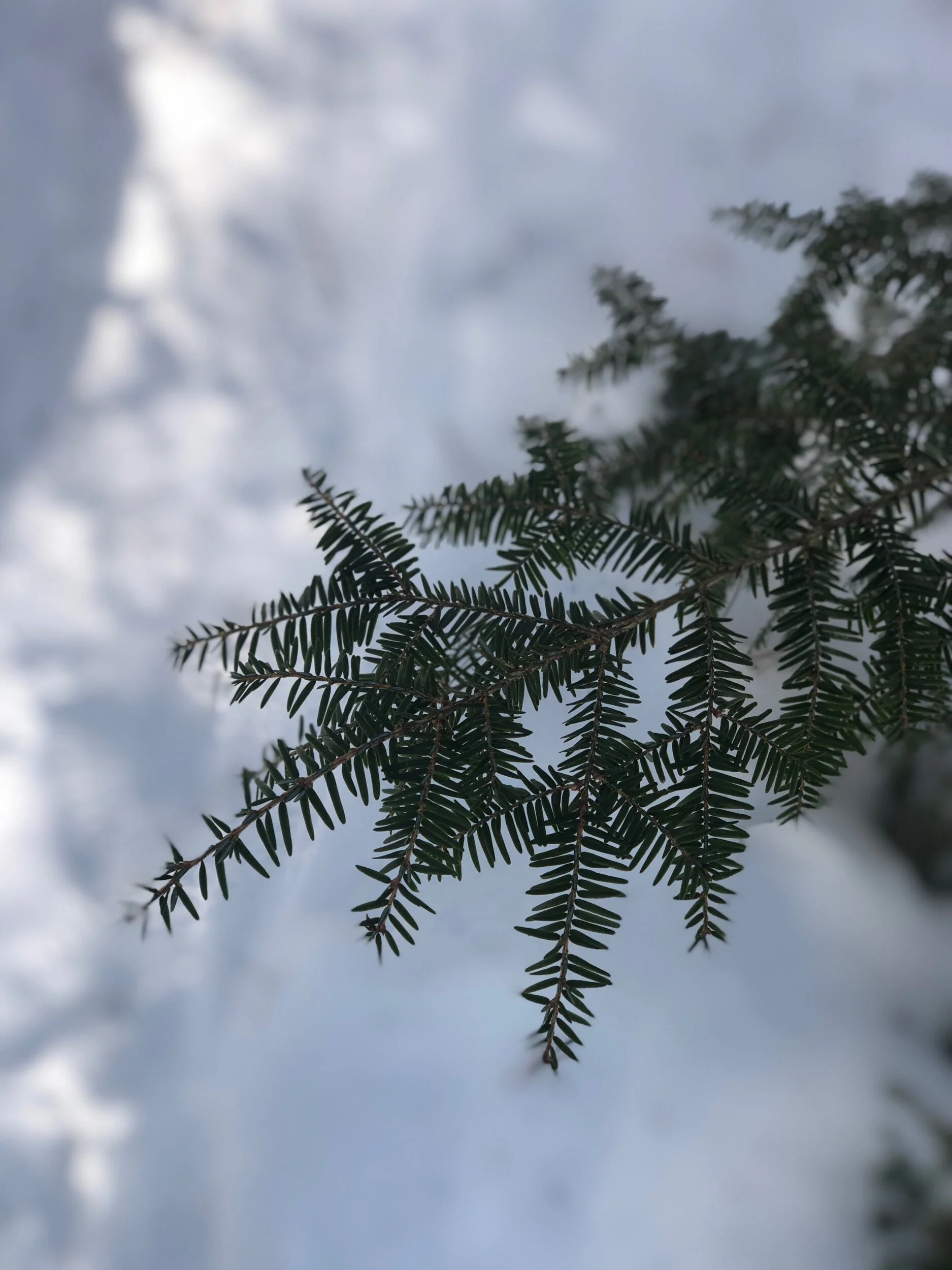
Hemlock—Photo by Katy

Hemlock—Photo by Katy

Will—Photo by Katy

Will—Photo by Katy

Fill the Feeder…

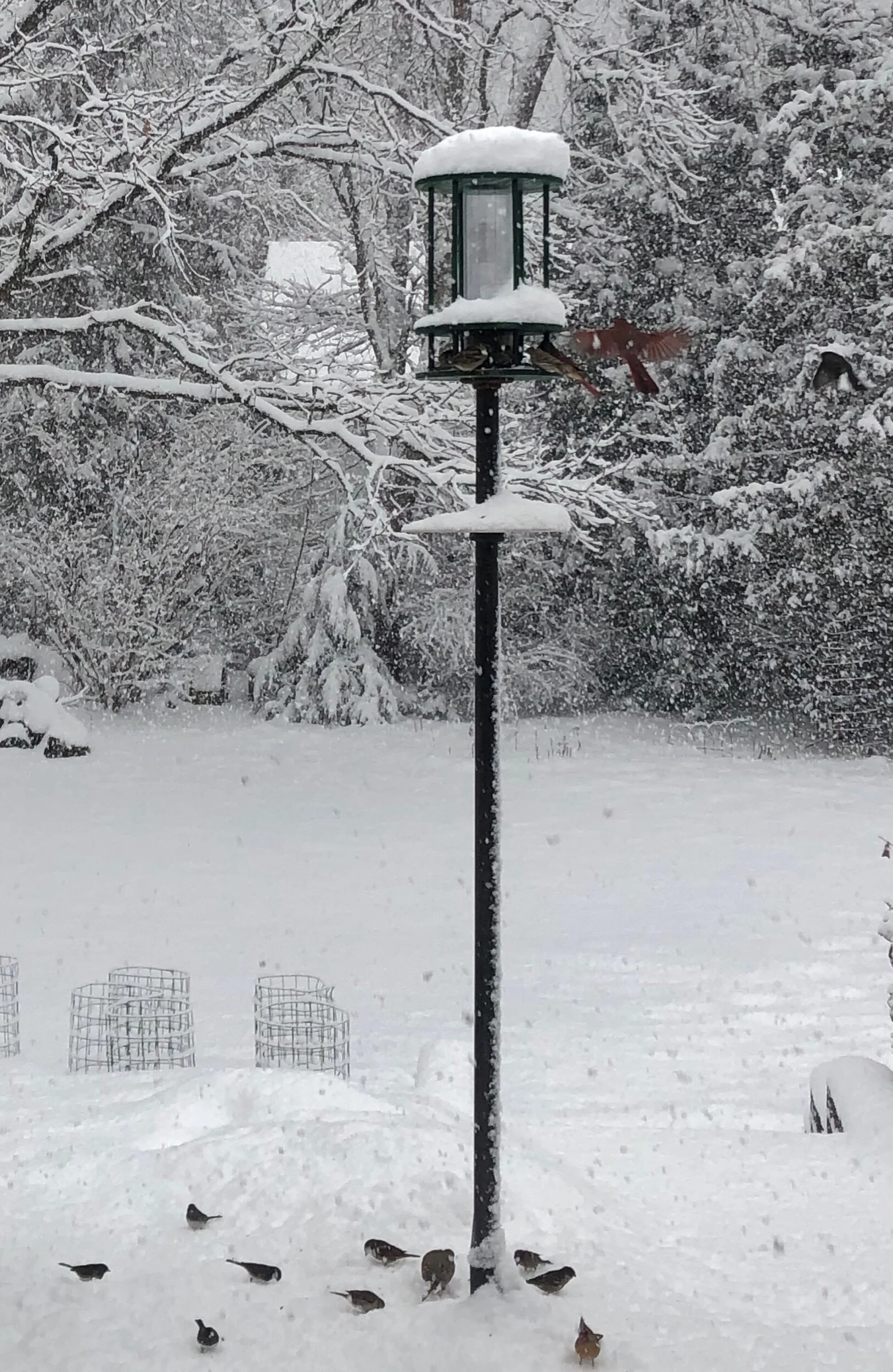
…twice! Lower the earflaps, dig out the mittens. After more snow, plummeting temperatures, and tonight the meter dropping to the lowest point of the year.

Adjustments.jpeg

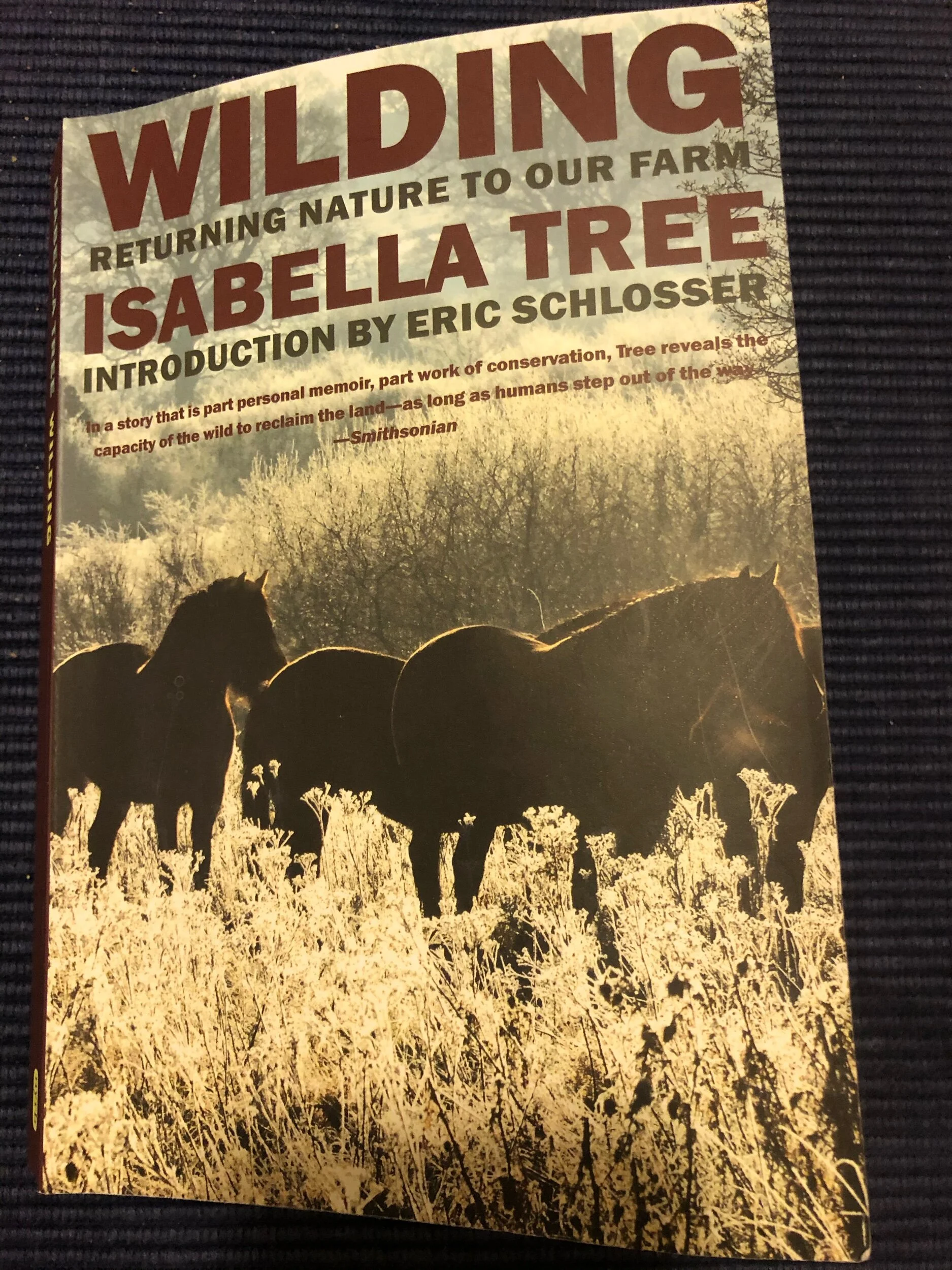
Summing up Wilding, by Isabella Tree…. An interesting story about how an affluent couple re-wilded a failing farm of 3,500 acres south of London. Their key discoveries are, perhaps, that wilding happens faster than one can imagine, and that grazing animals (cattle, deer, horses, and pigs) are essential to the process.

Knep.jpg

Imagine putting a fence (some of it ha-ha, a design new to me) around 3,500 acres.

Here are some gleanings from the book:

The idea of natural capital…assigning a monetary value to thing like forests, clean air, and coral reefs is gaining currency.. There is a powerful, essential logic to this but…I rebel against the notion that everything has a dollar value. The wild must be commonplace again, not sequestered in parks
—paraphrase in introduction by Eric Schlosser

We need to be aware of the shifting baseline syndrome.
(Speaking personally here, the natural world I grew up in is vastly different from the natural world my grandparents grew up in, and vastly different from the natural world my grandkids are now growing up in; yet we all consider what we know as the way tings have always been.)

“The thorn bush is the mother of the oak.”

For Harvard  biologist  E. 0. Wilson  the human connection with nature—something he calls 'biophilia', the 'rich, natural pleasure that comes from being surrounded by living organisms'—is rooted in our evolution.  We have been hunter-gathers for 99 per cent of our genetic history, totally and intimately in­volved with the natural world. For a million years our survival depended on our ability to read the weather, the stars and the species around us, to navigate, empathize and cooperate with our environment. The need to relate to the landscape and to other forms of life—whether one considers this urge aesthetic, emotional, intellectual, cognitive or even spiritual is in our genes. Sever that connection and we are floating in a world where our deepest sense of ourselves is lost.

Crucial would be a shift in focus from specific targeted outcomes to broader ecological processes—looking at how well, or how badly, land is functioning. Instead of measuring a single service, which in the past has always been food, success could be measured through multiple services. So a system that is good at producing food but bad at water management would score poorly; and a system that scores optimally for water storage, flood mitigation, wildlife, carbon sequestration, nutrient cycling, pollination, and pollution amelioration would receive the most support.
The West Yet Glimmers...

…with some streaks of day.

IMG_5231.jpeg

A day in February.

There’s a reason February was made the shortest month. But at least there’s more daylight.

Highlights: trip to dentist, bird feeder refill, garbage and recycle totoers taken to the curb, Instapot fired up (for the first time in a long time—pressure cooker spicy pork shoulder), dog walks (lots of shorter ones because walking is still a bit treacherous).

~~~~~~~~~~~~~~~~~~~~~~~~~
“Nothing is more responsible for the good old days than a bad memory.” —?
”The trouble with learning from experience is that you never graduate.” —Doug Larson

InDesign Day

In the “Office,” on a cold winter’s day, working on the big screen, laying out the Tig book, discussing images—all the while working on a project of great unlikelihood. Tom is is an artist, who spent his career in the print industry, and he has opinions (mostly good ones). Contemporaneously, I am re-learning inDesign just as fast as I can. Altogether, pretty much fun.

Adjustments.jpeg

And here is another document—found in the “Office” as I was preparing for work:

Screen Shot 2020-02-09 at 11.18.37 AM.png

Those grandkids can be pretty tough on us old timers.

On to New Hampshire.

White and Bright

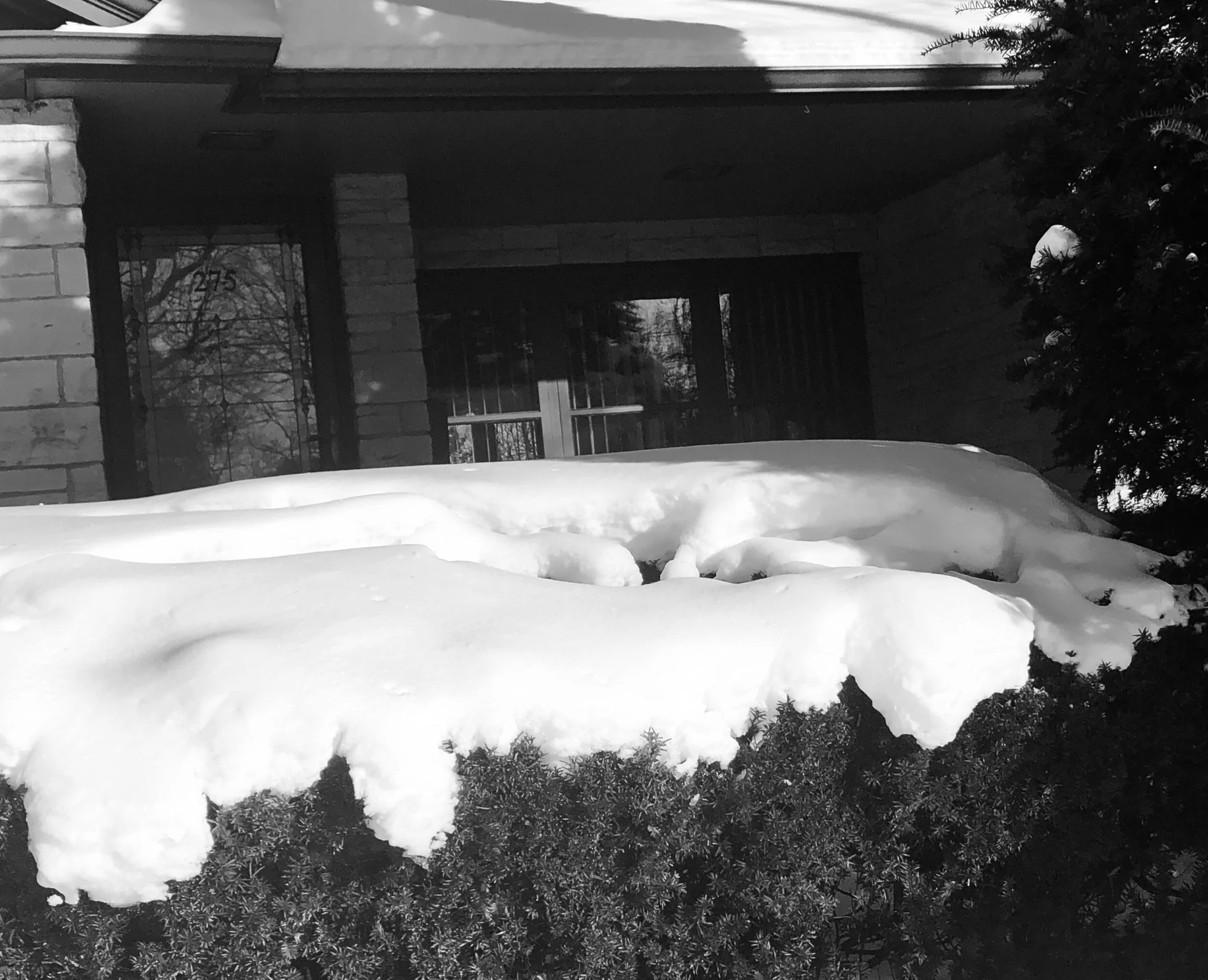
Sunglasses vs snow blindness. Cold, still, and clear.

IMG_5250.jpeg
IMG_5251.jpeg
Adjustments.jpeg
Glacier

Glacier

Given the current political situation (which to me seems like a slow-motion coup d’etat) and the exalted status of its great leader, I am reminded of Shelley’s great poem:

Ozymandias
I met a traveller from an antique land,
Who said—“Two vast and trunkless legs of stone
Stand in the desert. . . . Near them, on the sand,
Half sunk a shattered visage lies, whose frown,
And wrinkled lip, and sneer of cold command,
Tell that its sculptor well those passions read
Which yet survive, stamped on these lifeless things,
The hand that mocked them, and the heart that fed;
And on the pedestal, these words appear:
My name is Ozymandias, King of Kings;
Look on my Works, ye Mighty, and despair!
Nothing beside remains. Round the decay
Of that colossal Wreck, boundless and bare
The lone and level sands stretch far away.”

Wilding

Excellent book by Isabella Tree. Got me thinking about lots of things.

IMG_5219.jpeg

Isabella and her partner decided to quit farming their extensive estate about 40 miles south of London, and then to rewild it. Added ancient breeds of cattle, horse, and pigs, and then let things go. Fascinating results.
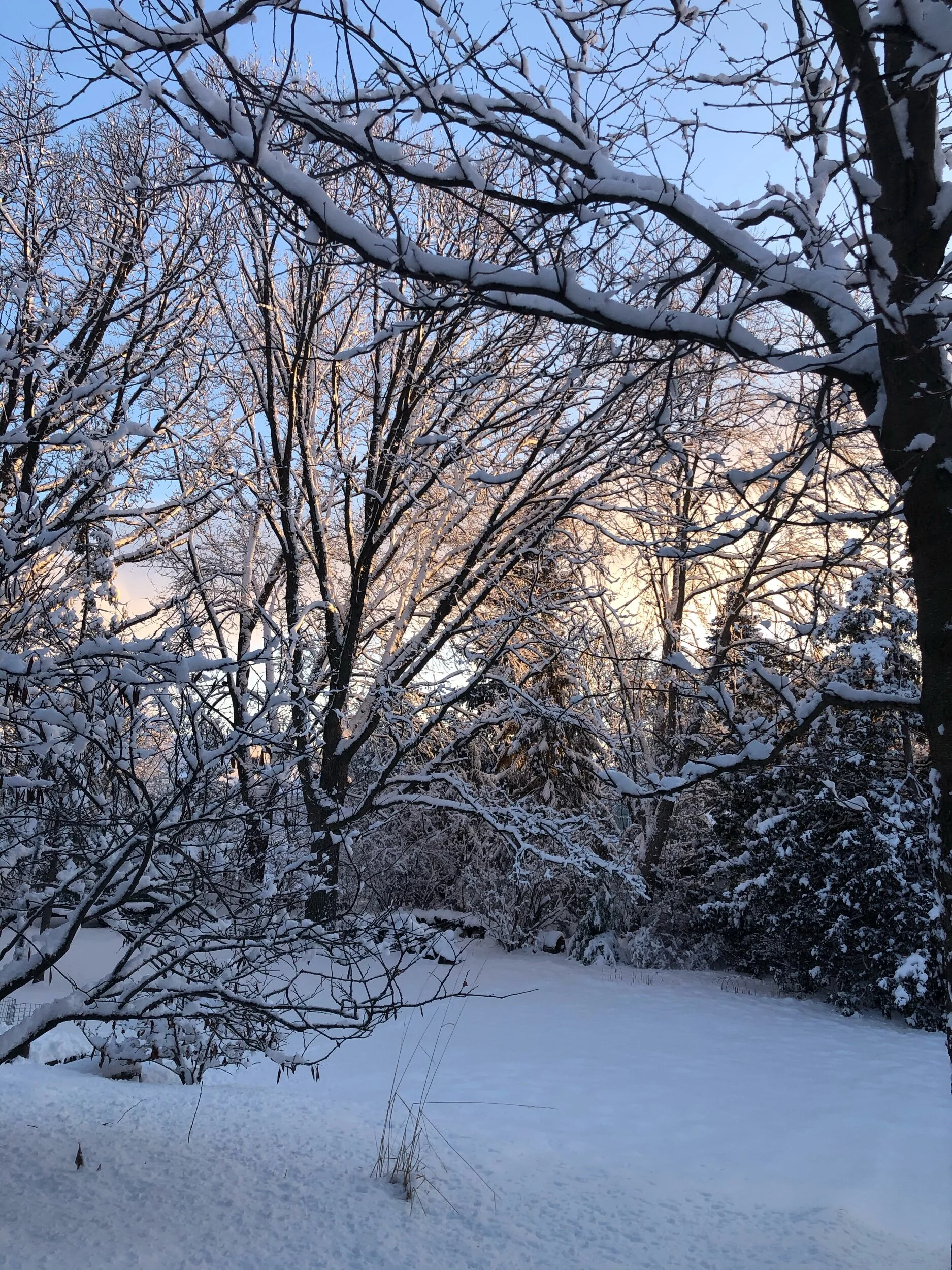
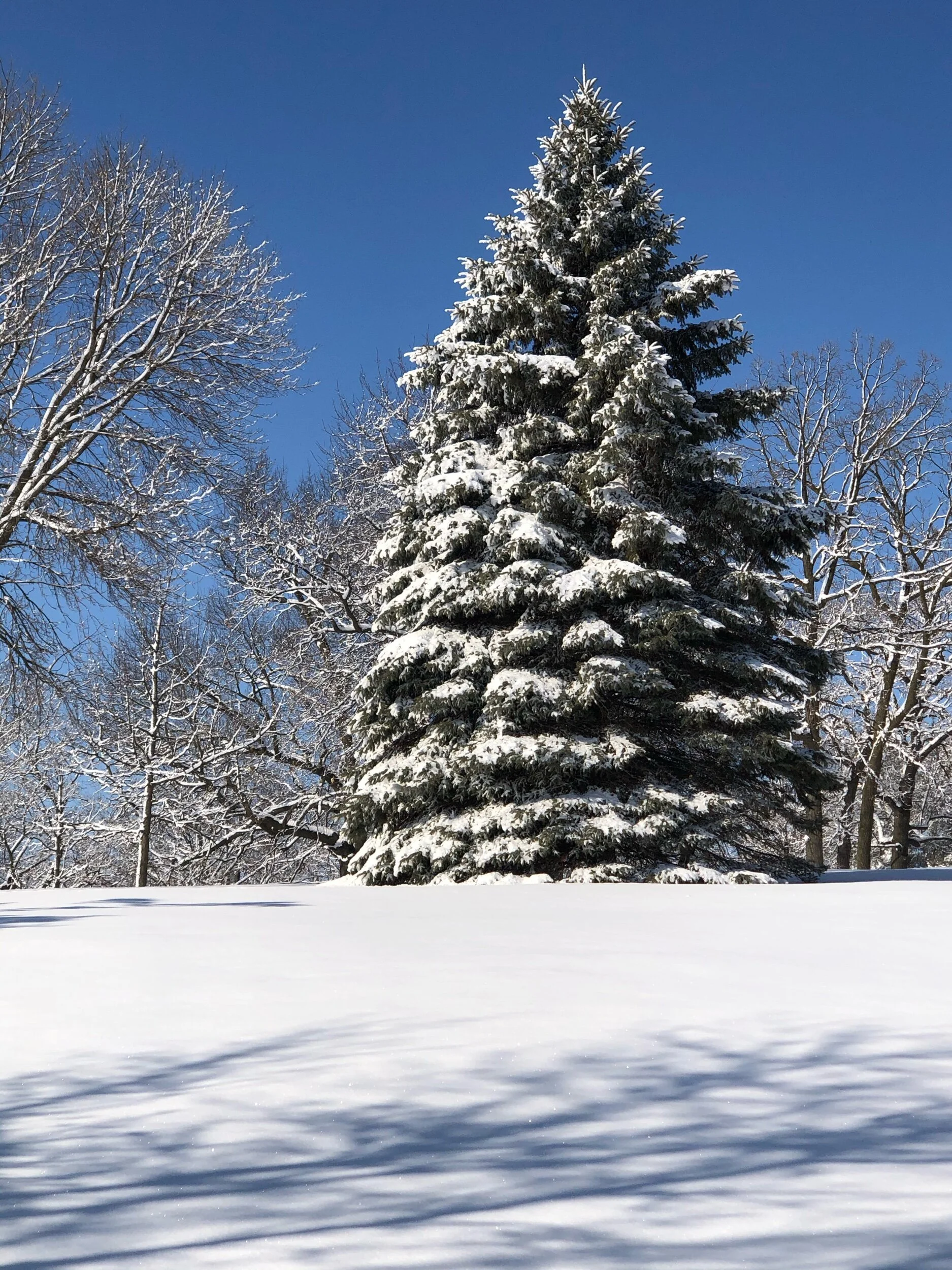
In addition to other things, they encountered significant pushback from neighbors who were appalled by the sudden flush of “weeds” like Ragwort and thistle. Things didn’t look pretty (though eventually nature cleared things up to some degree). So what about here in Whitewater? We cut the grass, rake the leaves, trim the bushes—unlike the neighbor across the street. Last year we even hired a lawn service to deal with the proliferation of creeping charlie. Who’s right?

I have always believed that esthetics matter: the only good garden is a beautiful garden; a yard should look well kept; unkempt places are the result of laziness.

Am I wrong?

I do know that the yard here has half a dozen trees and dozens of shrubs that were not here originally, providing shade, shelter, and food for wildlife. And, while some of the autumn leaves are removed, others are mulched. All kitchen scraps, along with leaves and garden residue, are turned into compost. The yard service was a one-time thing.

Since I live in town, I’m willing to accept a compromise—wild is good, but it must look good, too.

But then, what about the Kagawong property?