All Decked Out
‘Tis the season.
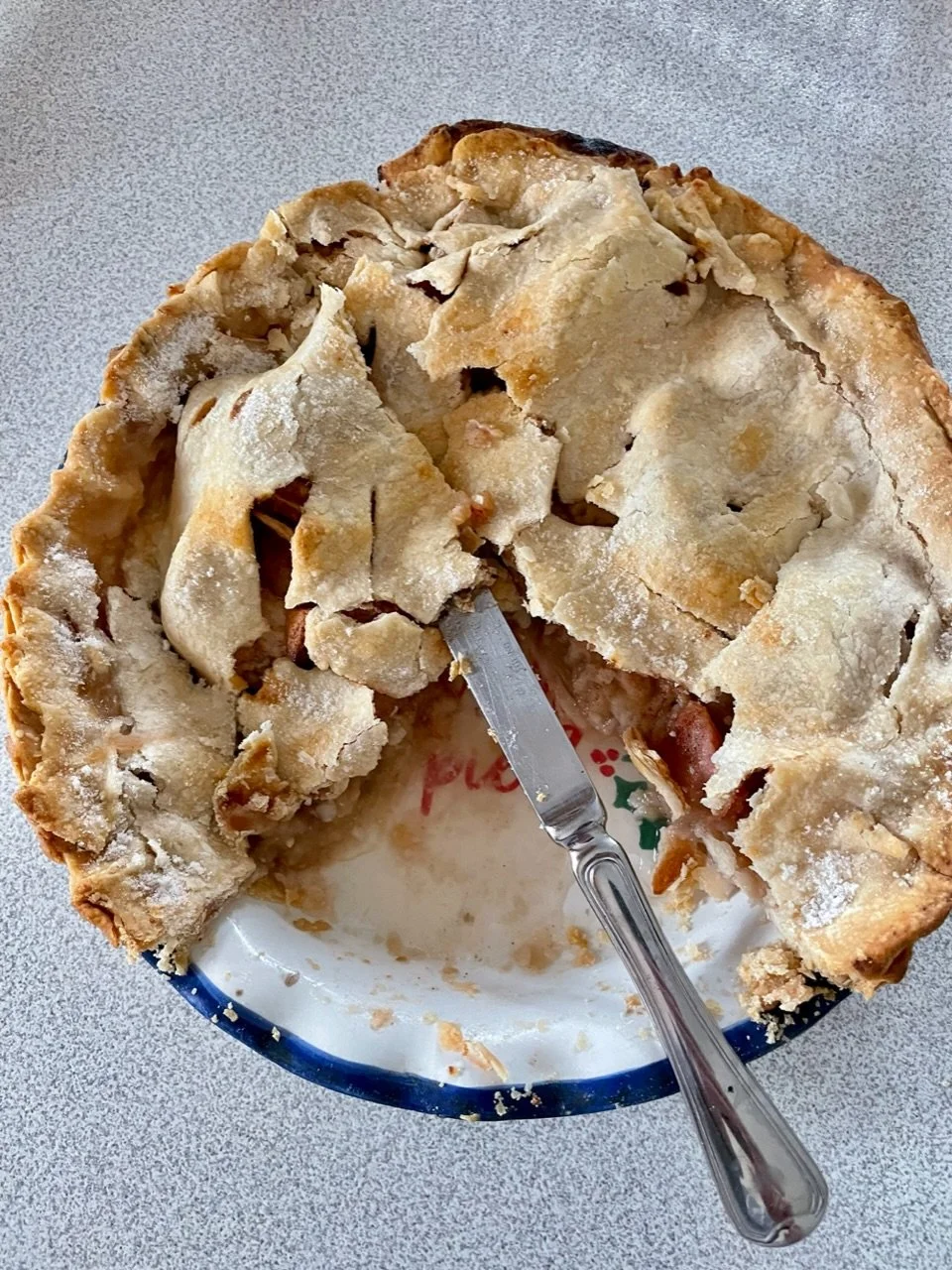
And pie too!
‘Tis the season.
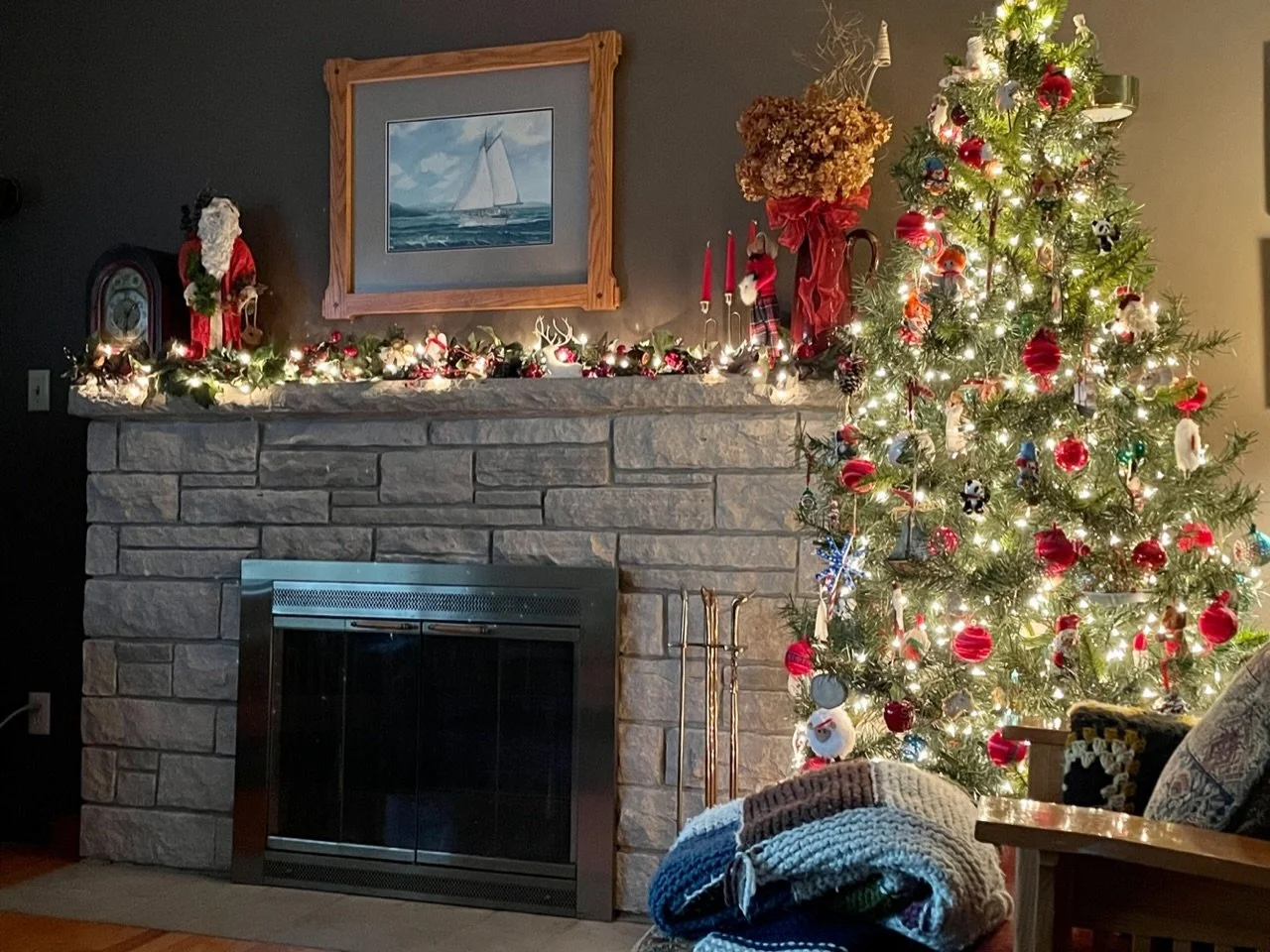
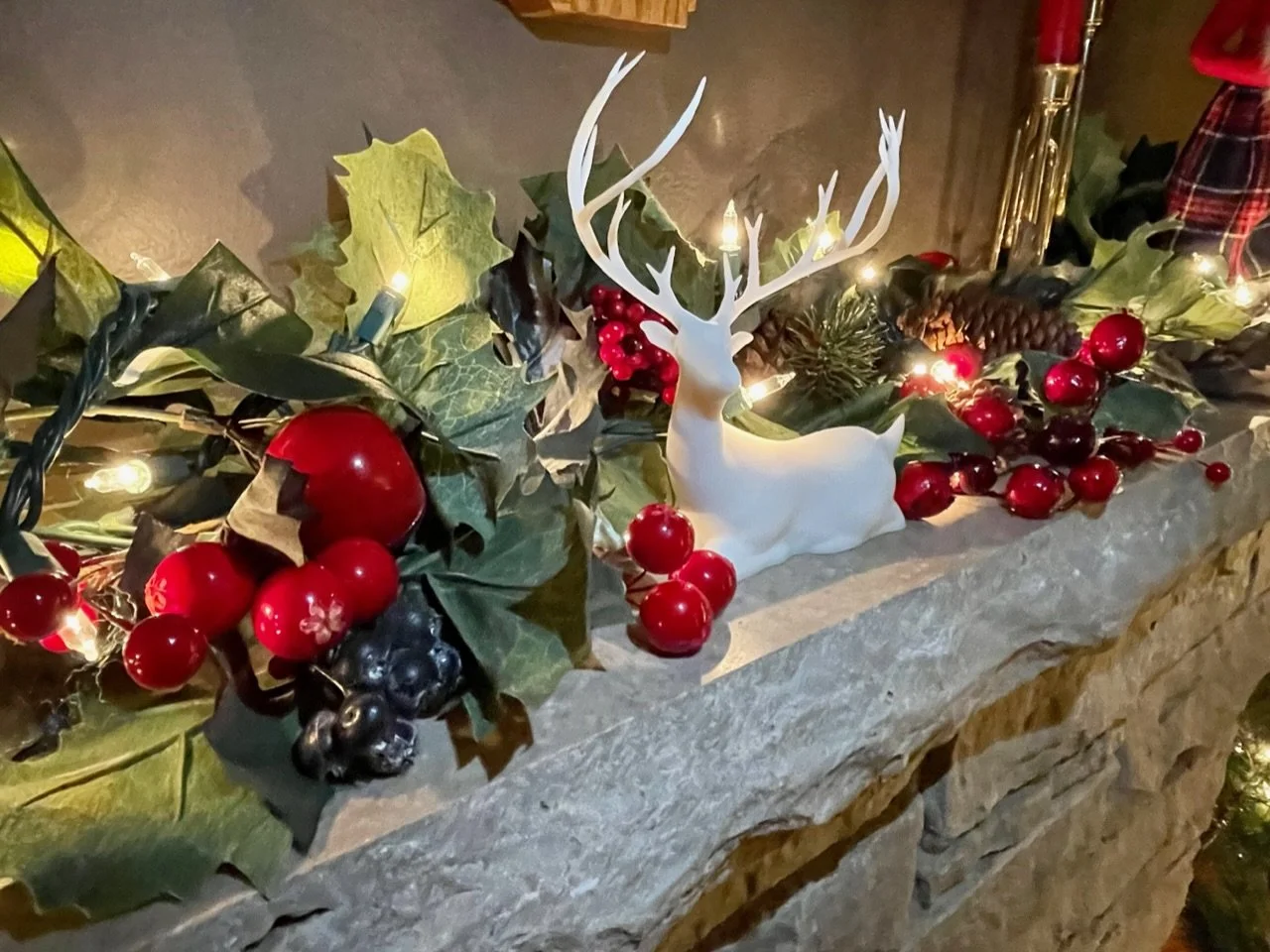
And pie too!
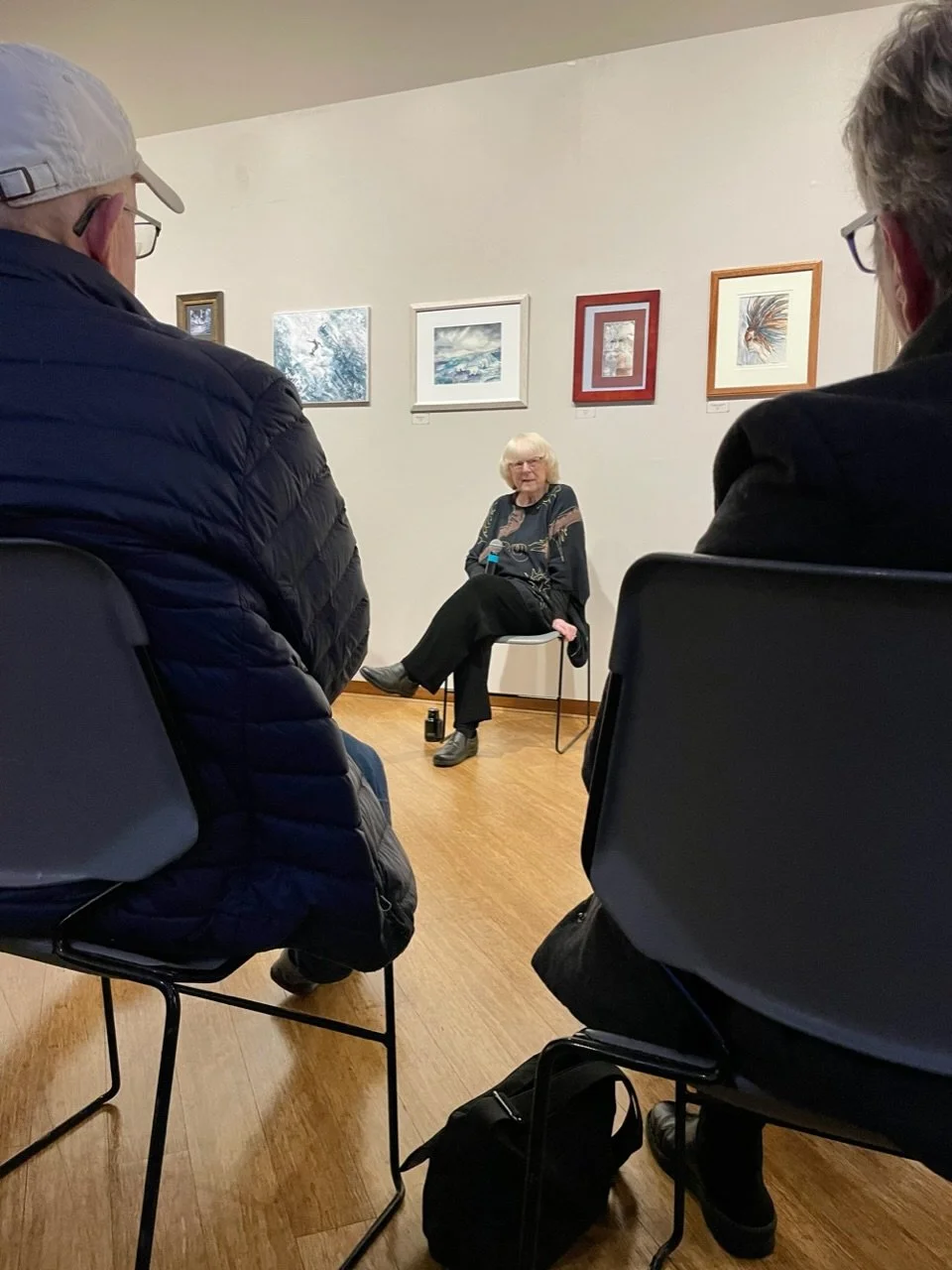
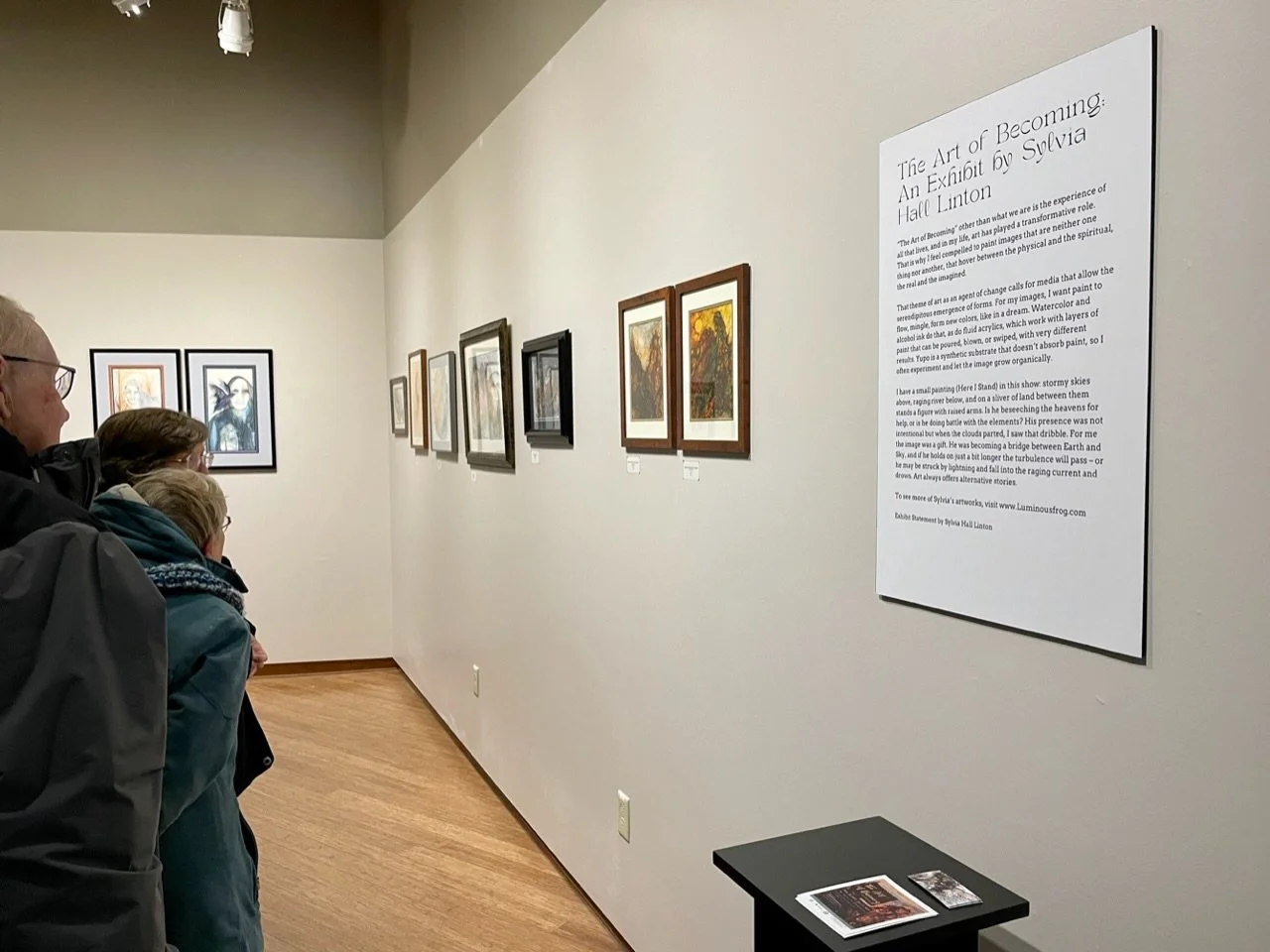
…for neighbor Sylvia. Q and A was good because Sylvia is a good storyteller, as in the story of her grandmother’s spirit inhabiting first, a stuffed owl, and later, after that was destroyed by a cat, real ones.
…but still I ice on the ponds.
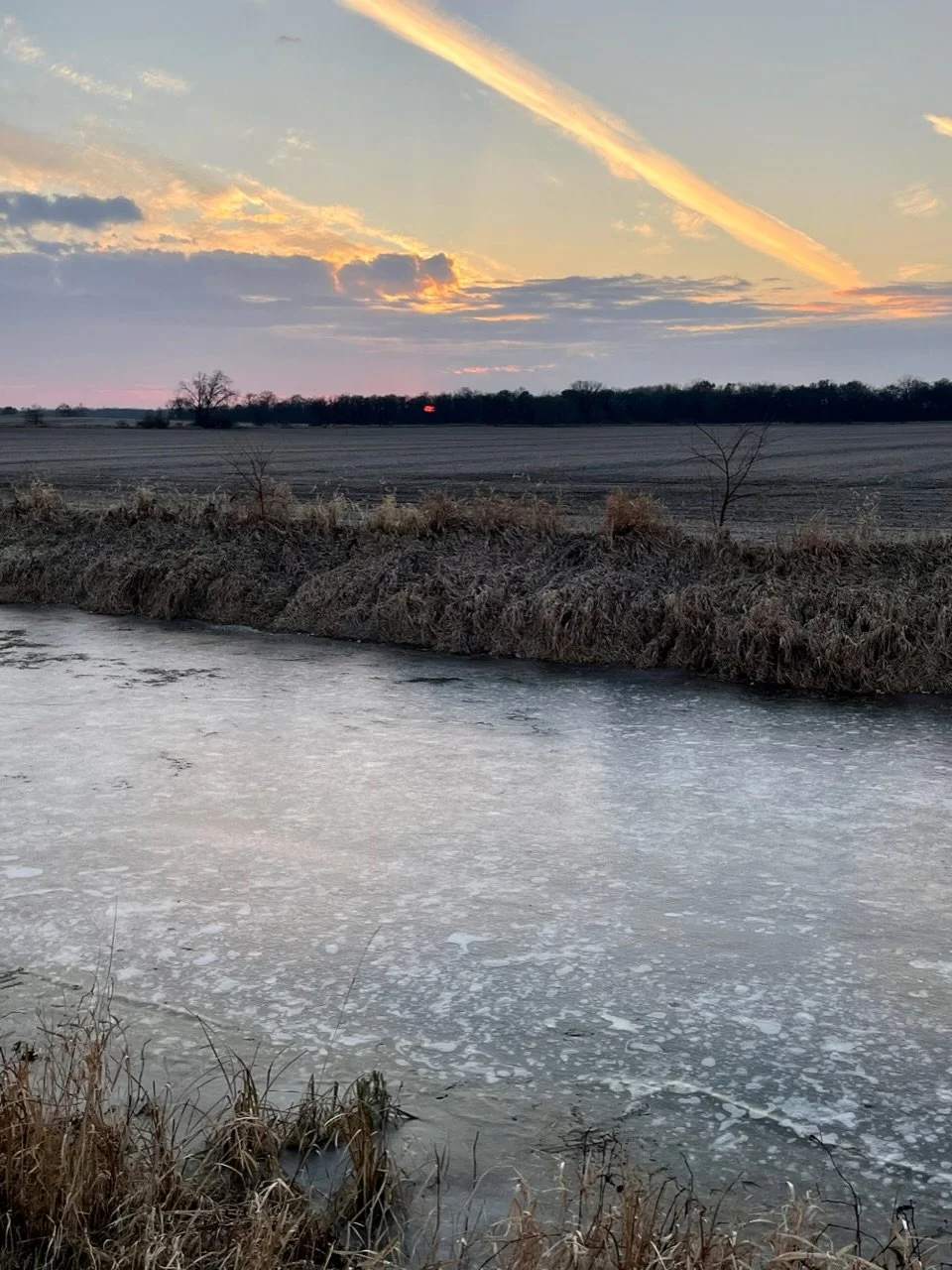
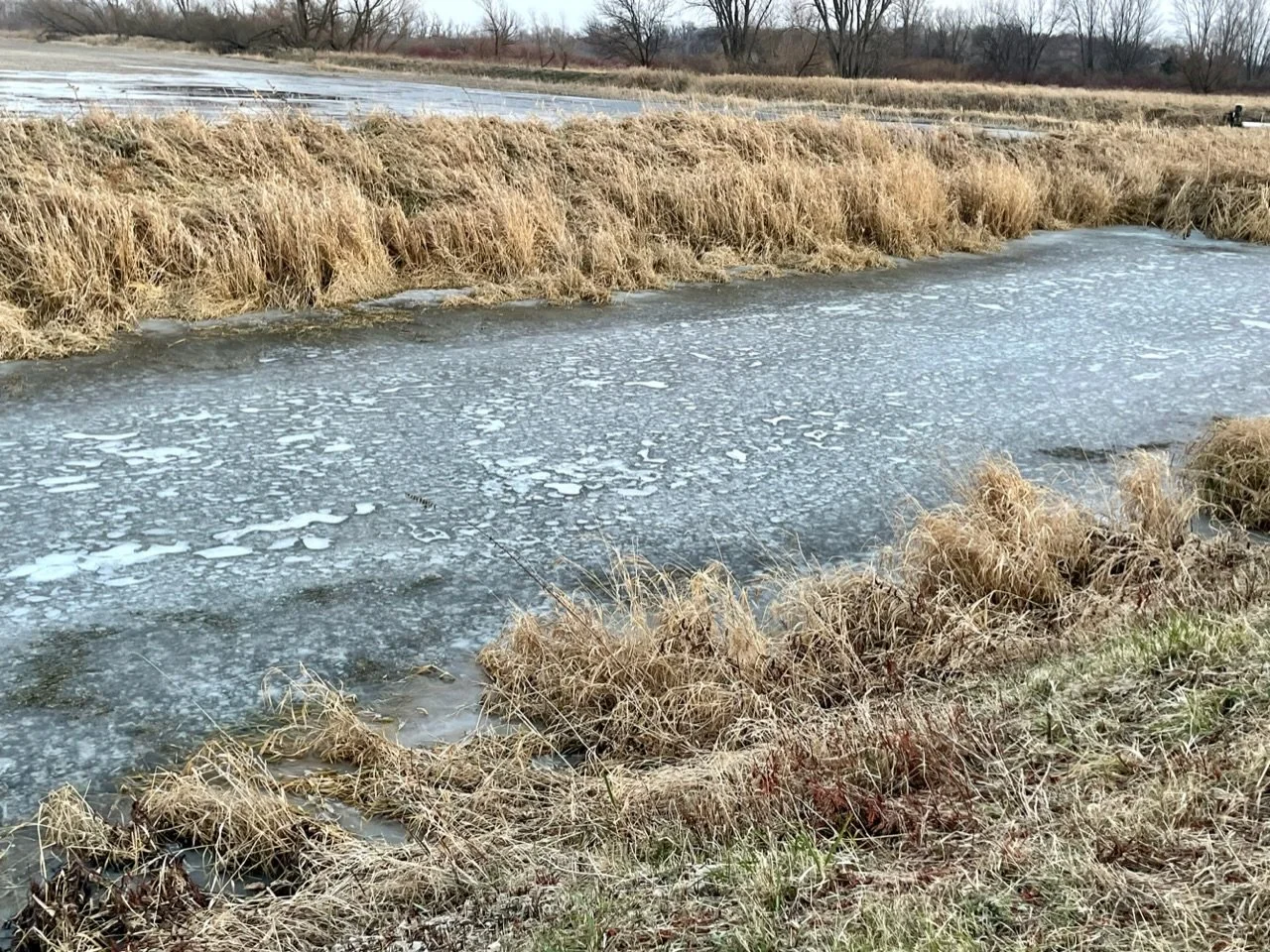
Brief snow shower early afternoon.
…that got away.
After a slow start, down to Santa’s workshop, where things did not speed up much.
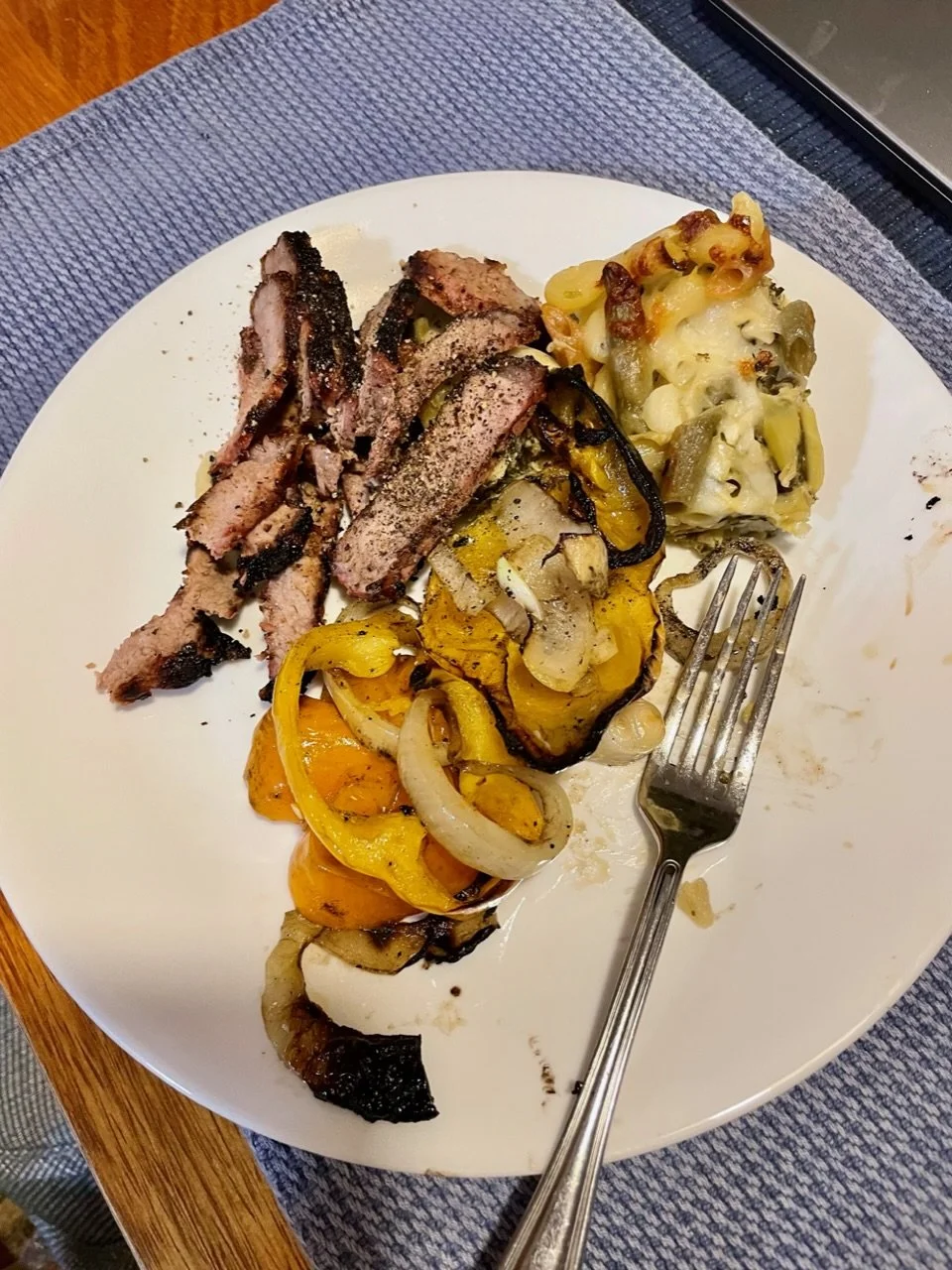
Last night’s dinner of steak, peppers and onions, along with spinach/artichoke pasta was a hit.
…steak on the Green Egg. But first I had to use a broom to encourage an opossum to get out from under, prior to ignition.

Much of the afternoon spent in Santa’s workshop.
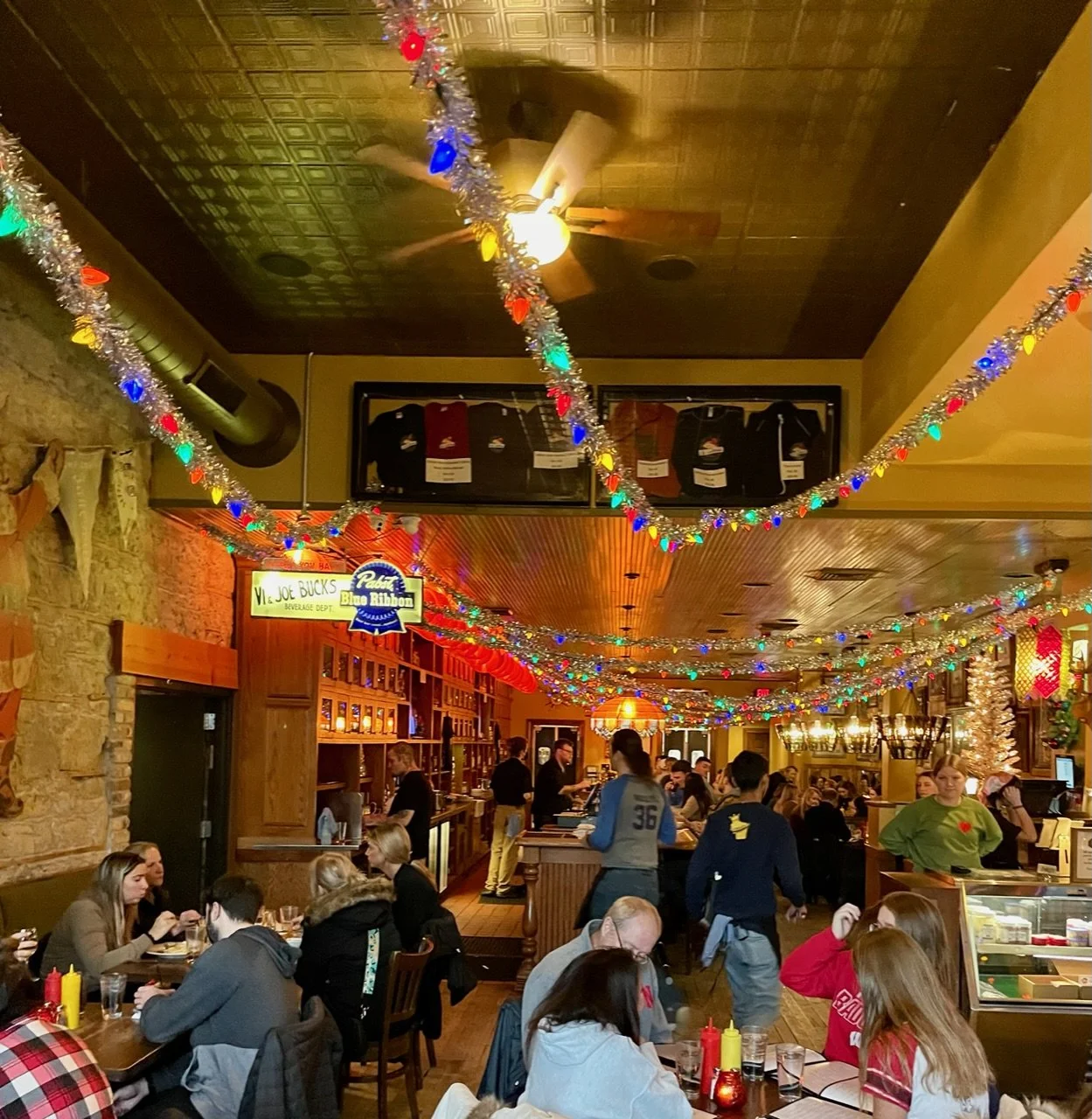
…(Arboretum stuff), dinner at Old Fashioned in Madison.
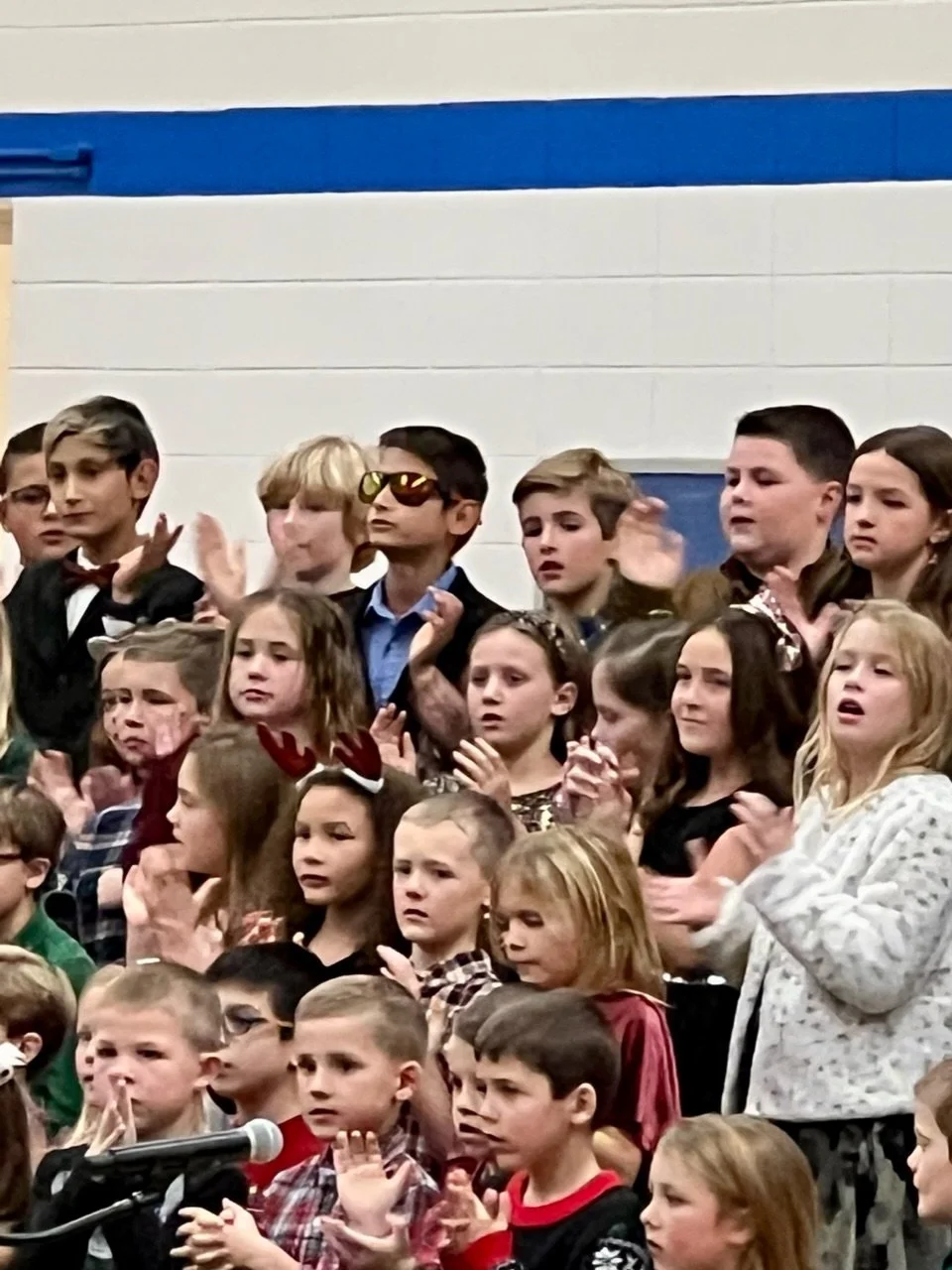
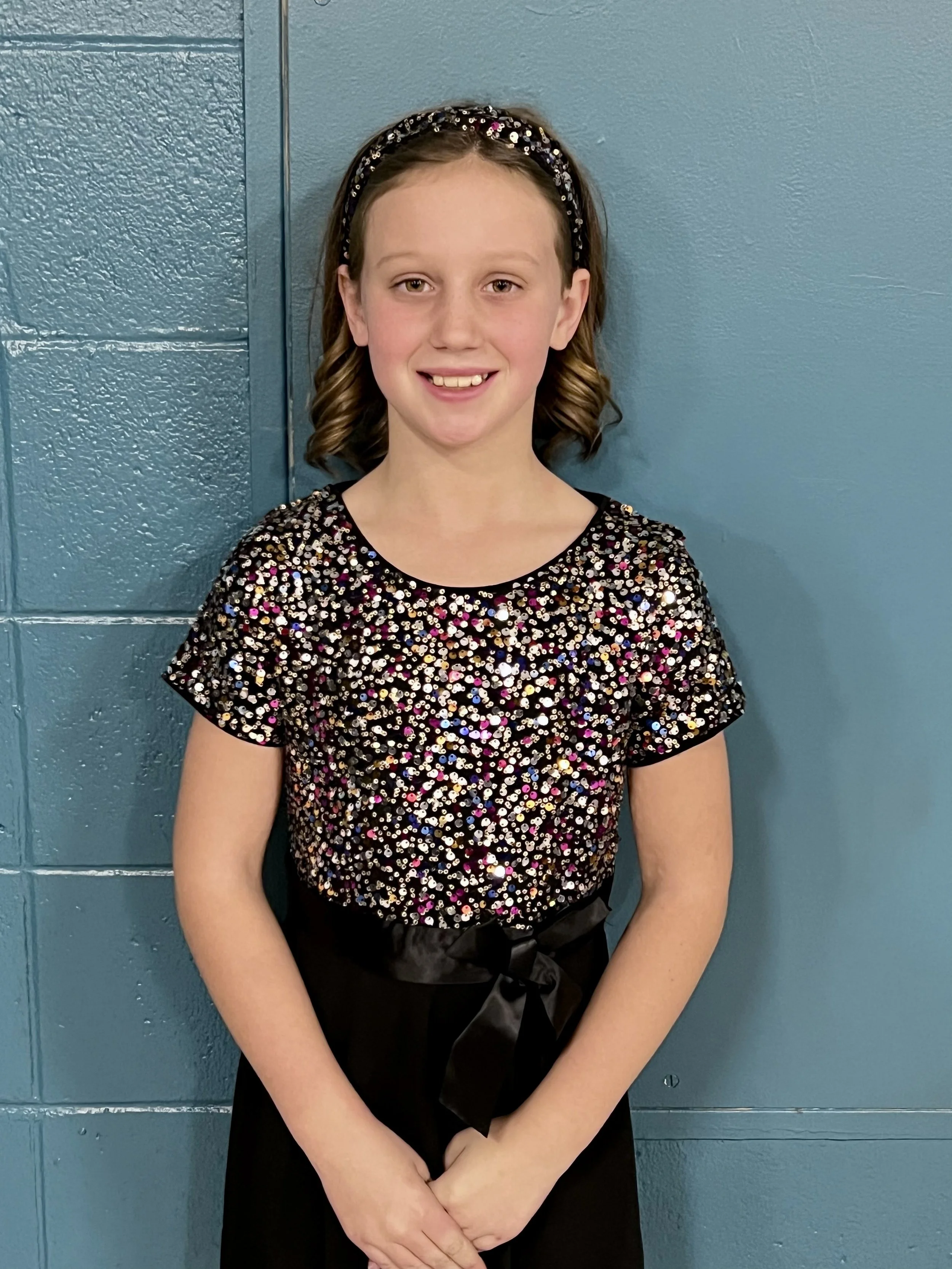
…for Christmas programs. Tonight, Becca on stage.

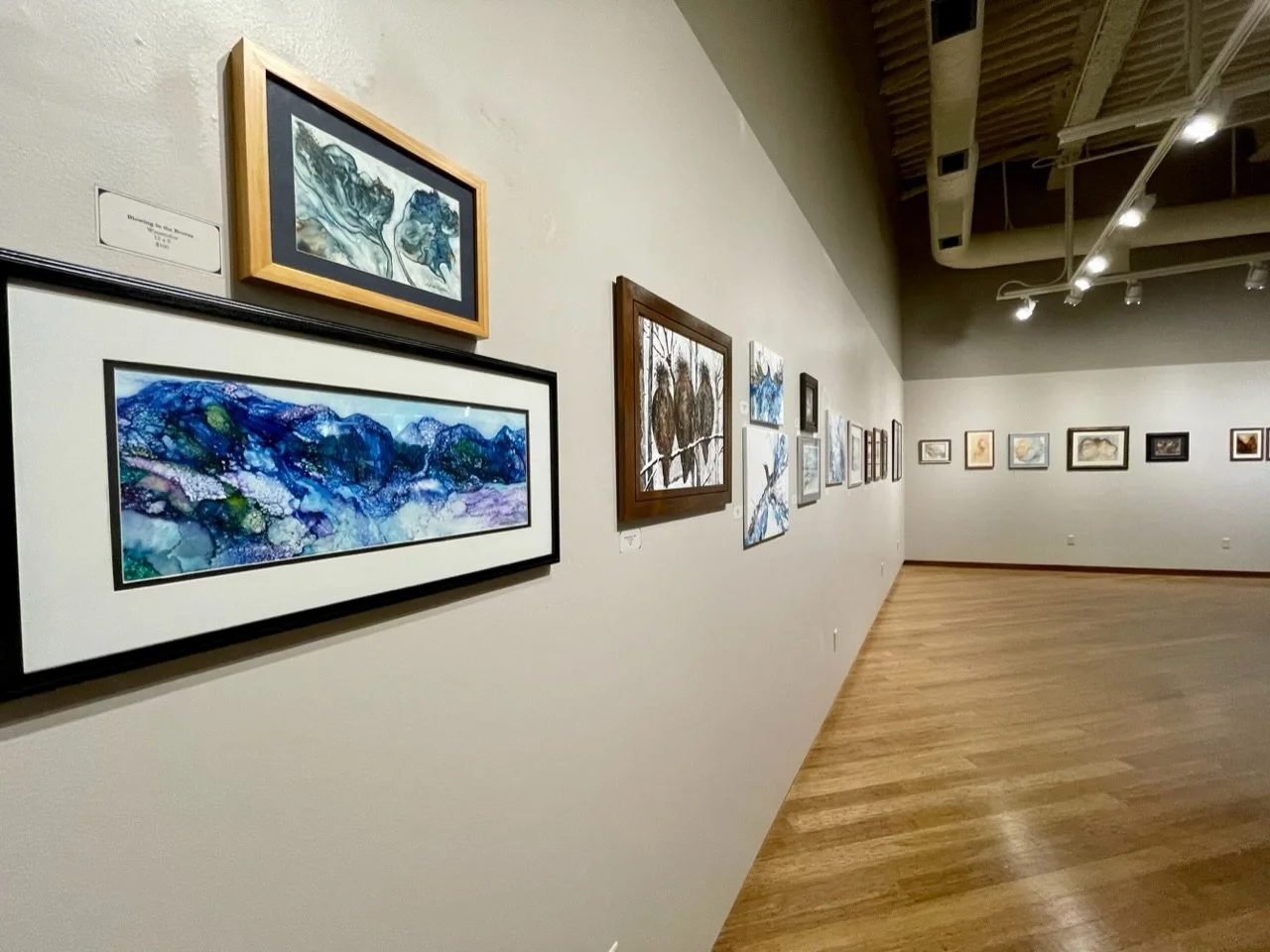
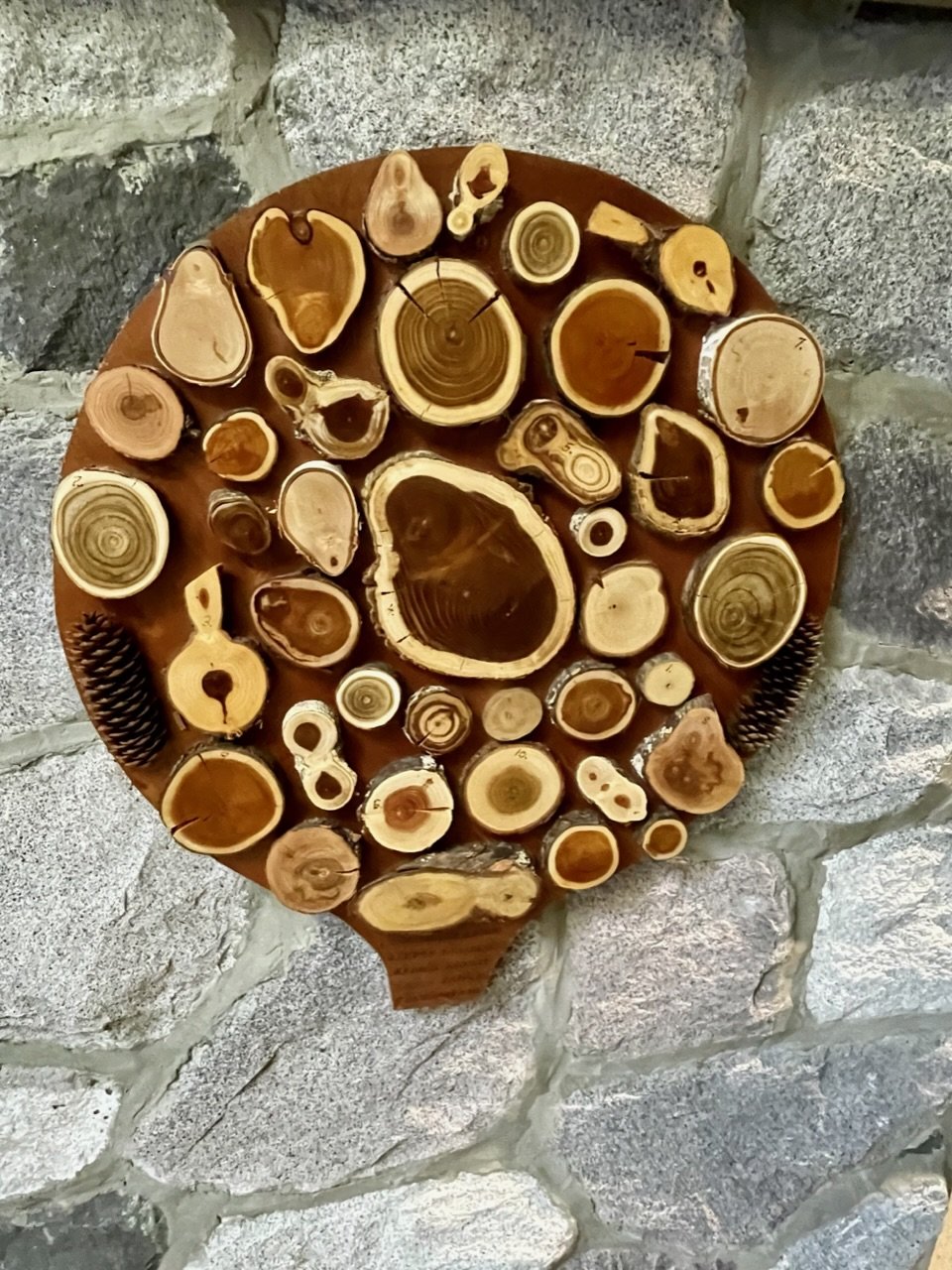
Neighbor Sylvia opened a one person show at the U which we and other neighbors walked over to see.

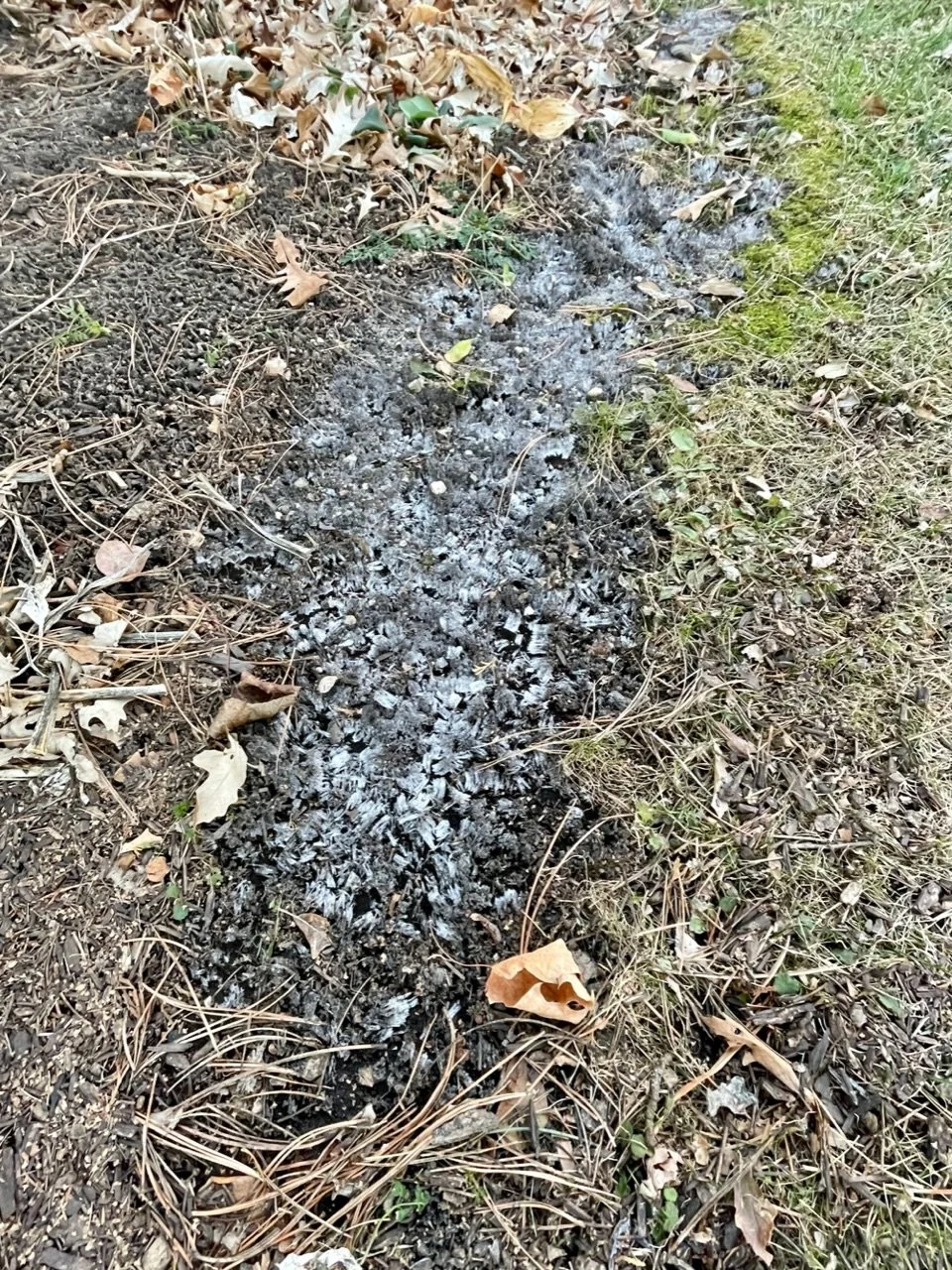
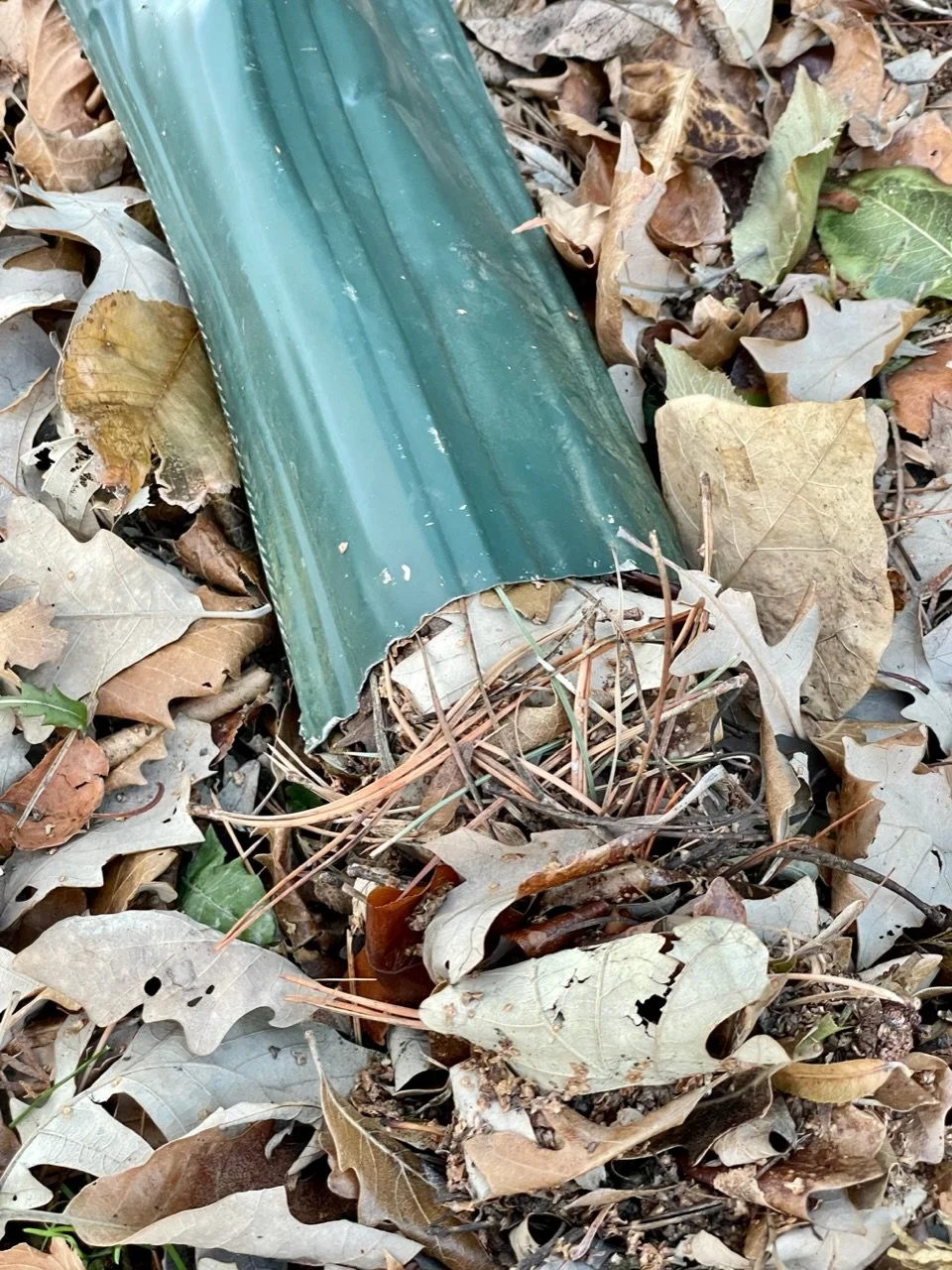
Big temp drop after last night’s deluge. The few remaining gutter leaves were flushed down the gutters and then flash frozen into hard wads at the end of the spouts. Lots of other little examples of frozen erosion on our afternoon walk around the block. (I made it all the way, though slowly.)
…in the ship’s wheel.
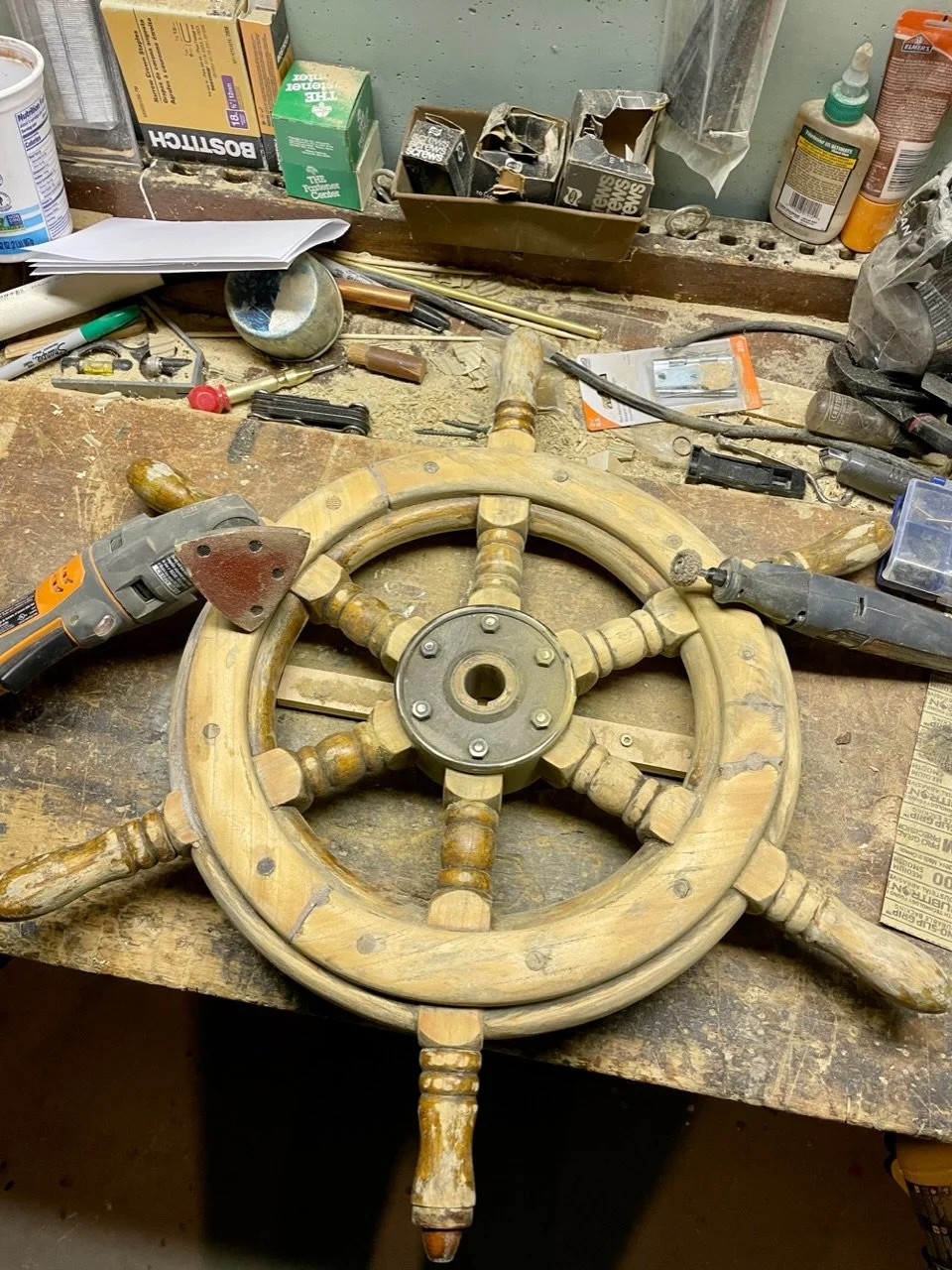
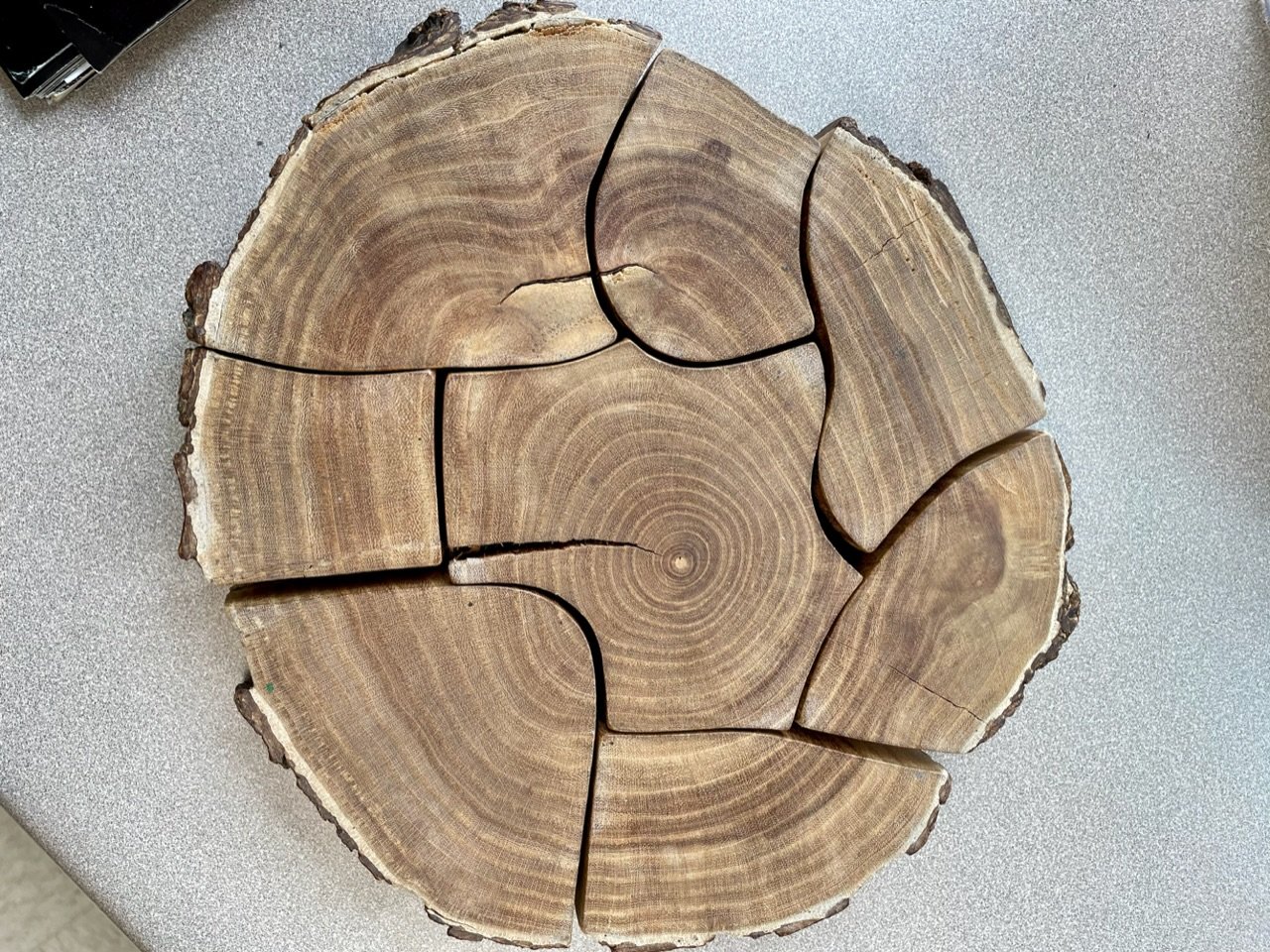
Remedied with epoxy. The sanding of the intricate assembly not so easy.
Physical therapy and soccer rounding out the day.
Now being thrashed by heavy rain and strong winds.
…meeting. Two parts interesting, one part annoying, one part frustrating. In this world, there are people you want to work with and people you don’t.

Above, Clematis, again. The seeds are ripe and ready for dispersal. They are hard to examine without disrupting, but what I see are six seeds clumped in a star, fat ends touching, with each narrow end trailing a white feather. Will any make it safely to a new, hospitable home? Here’s hoping.
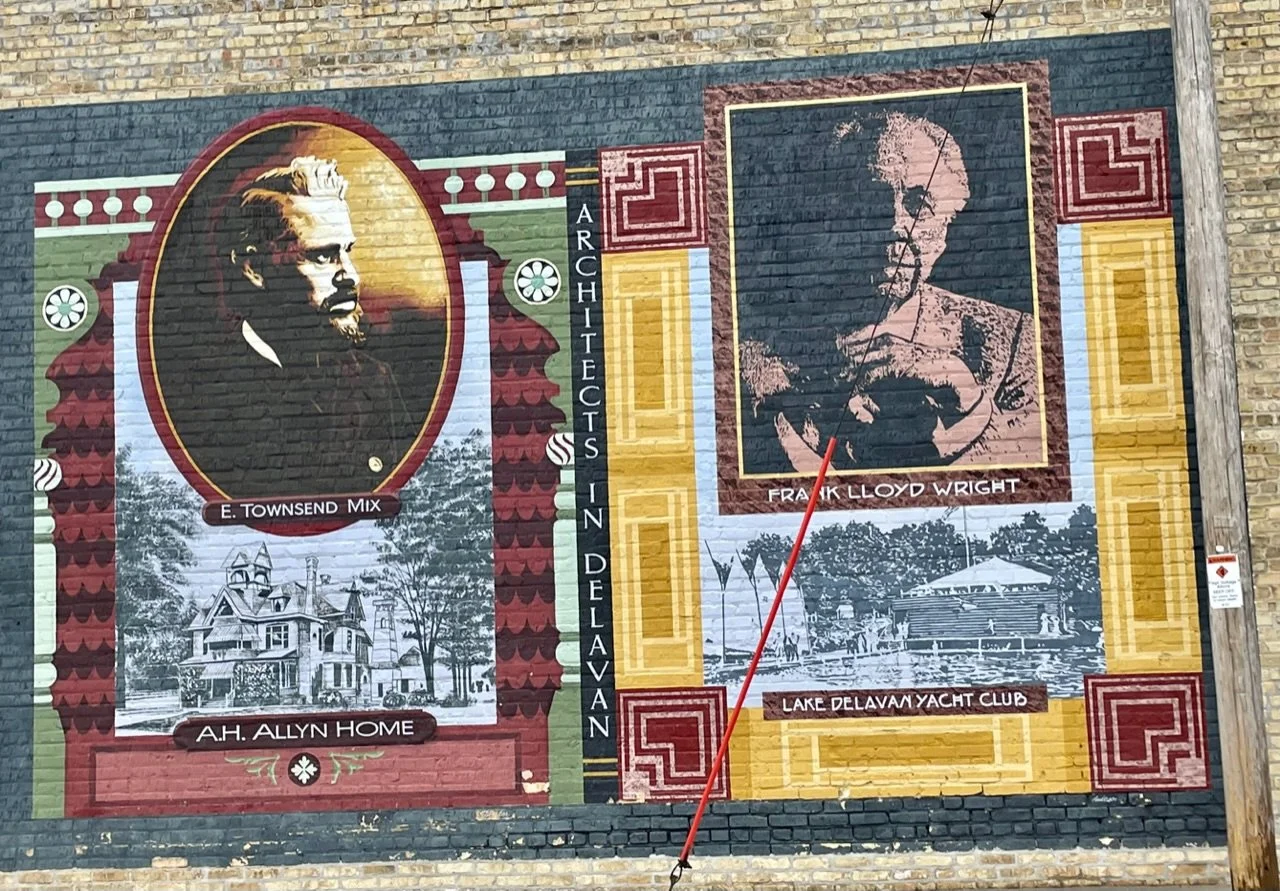
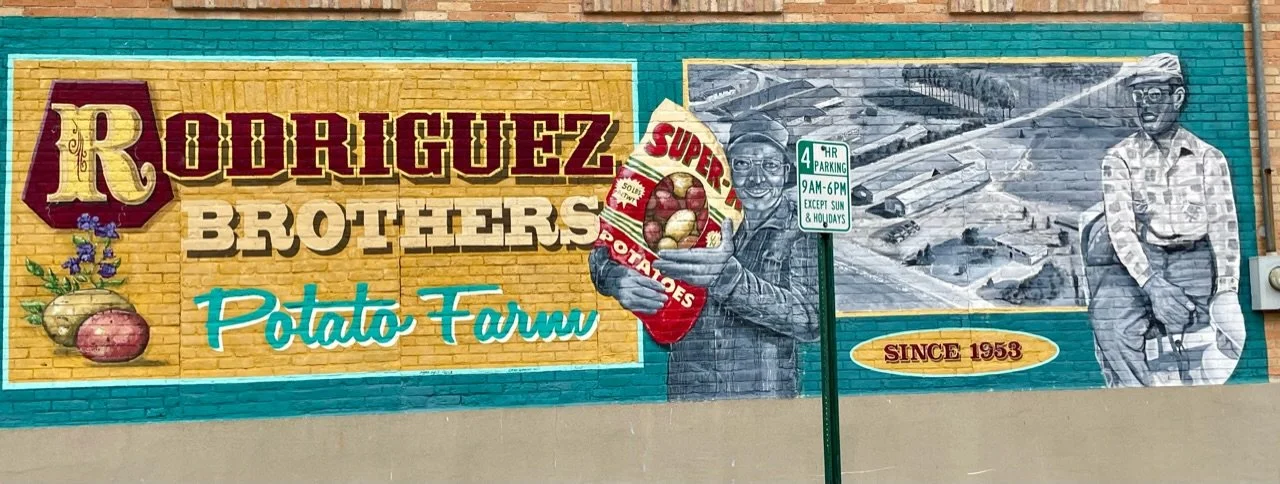
…chilly light rain. Out for late breakfast in Delavan, home to many murals.
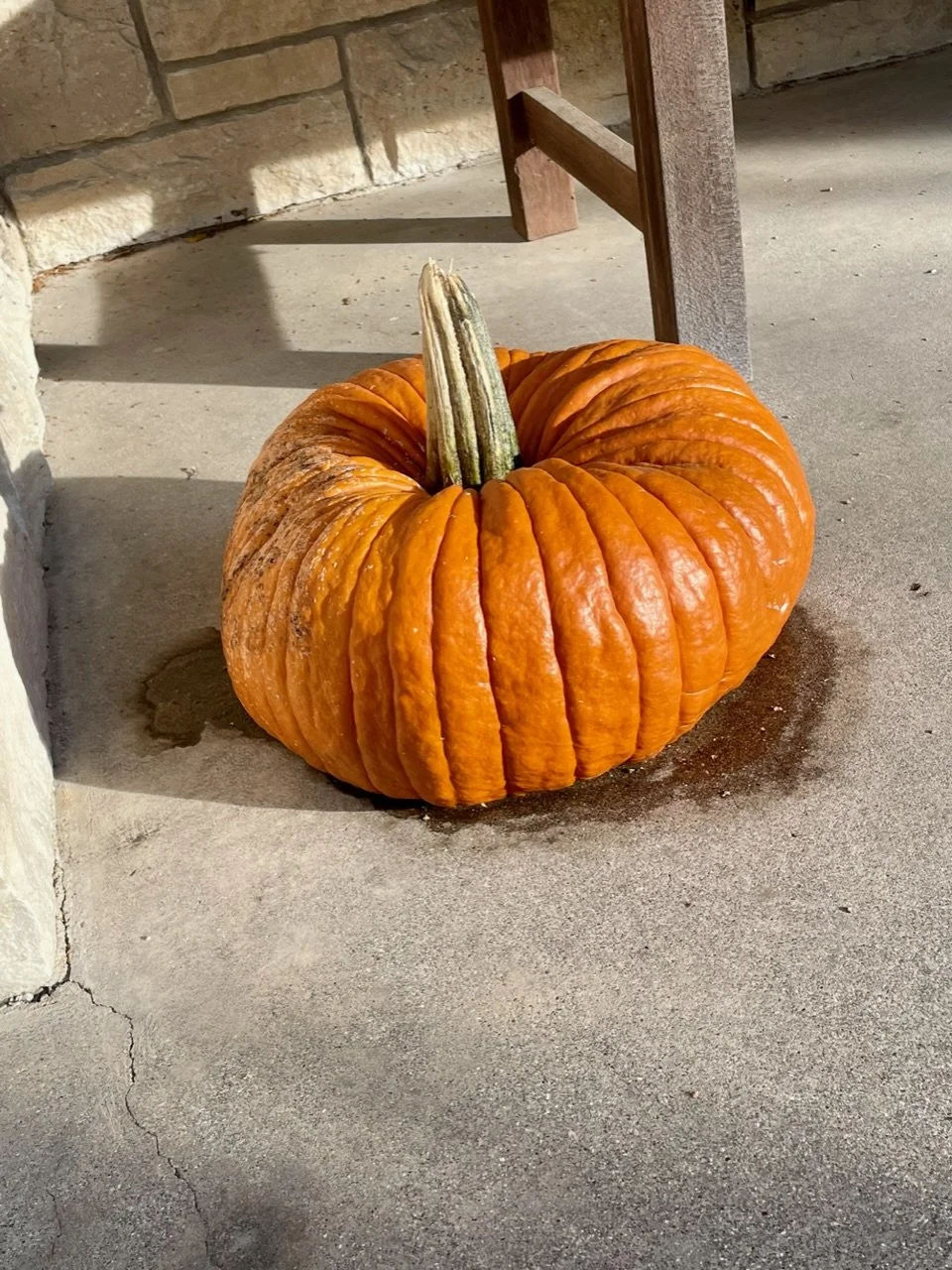
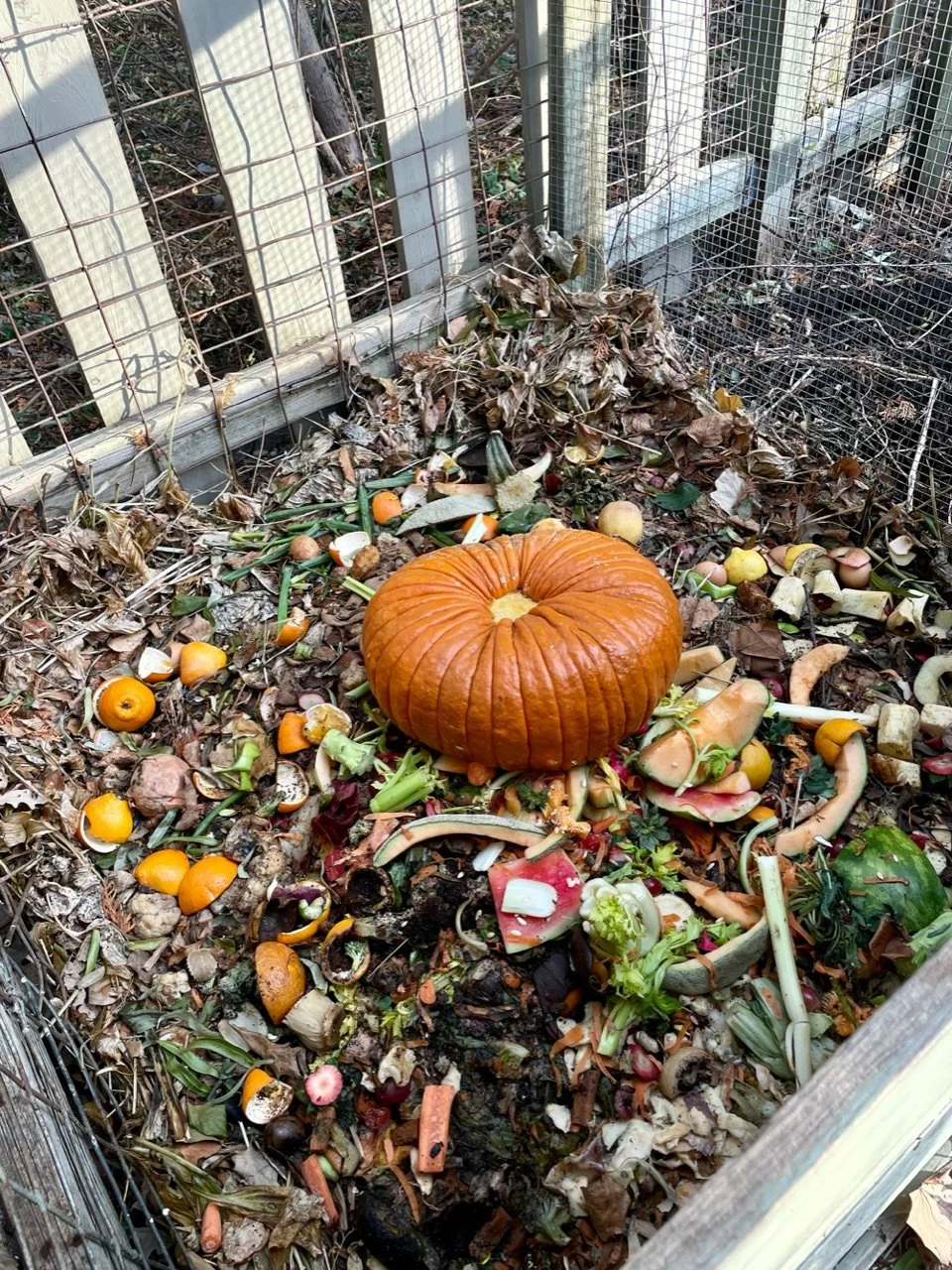
Not pie, but a beauty nonetheless.
And now, time for turkey soup with dumplings.
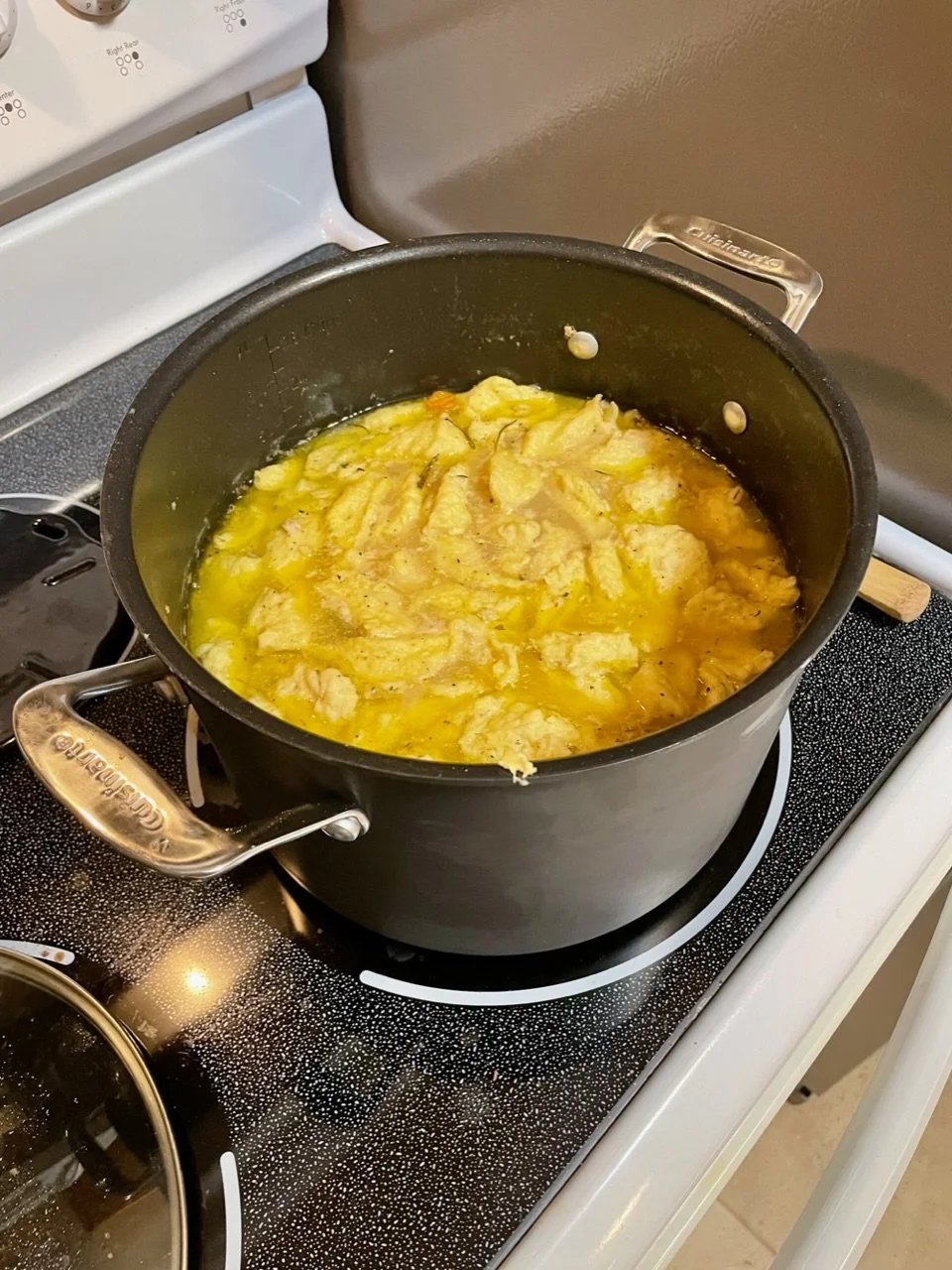
One of the better kind of leftovers. And, according to a major climate report:
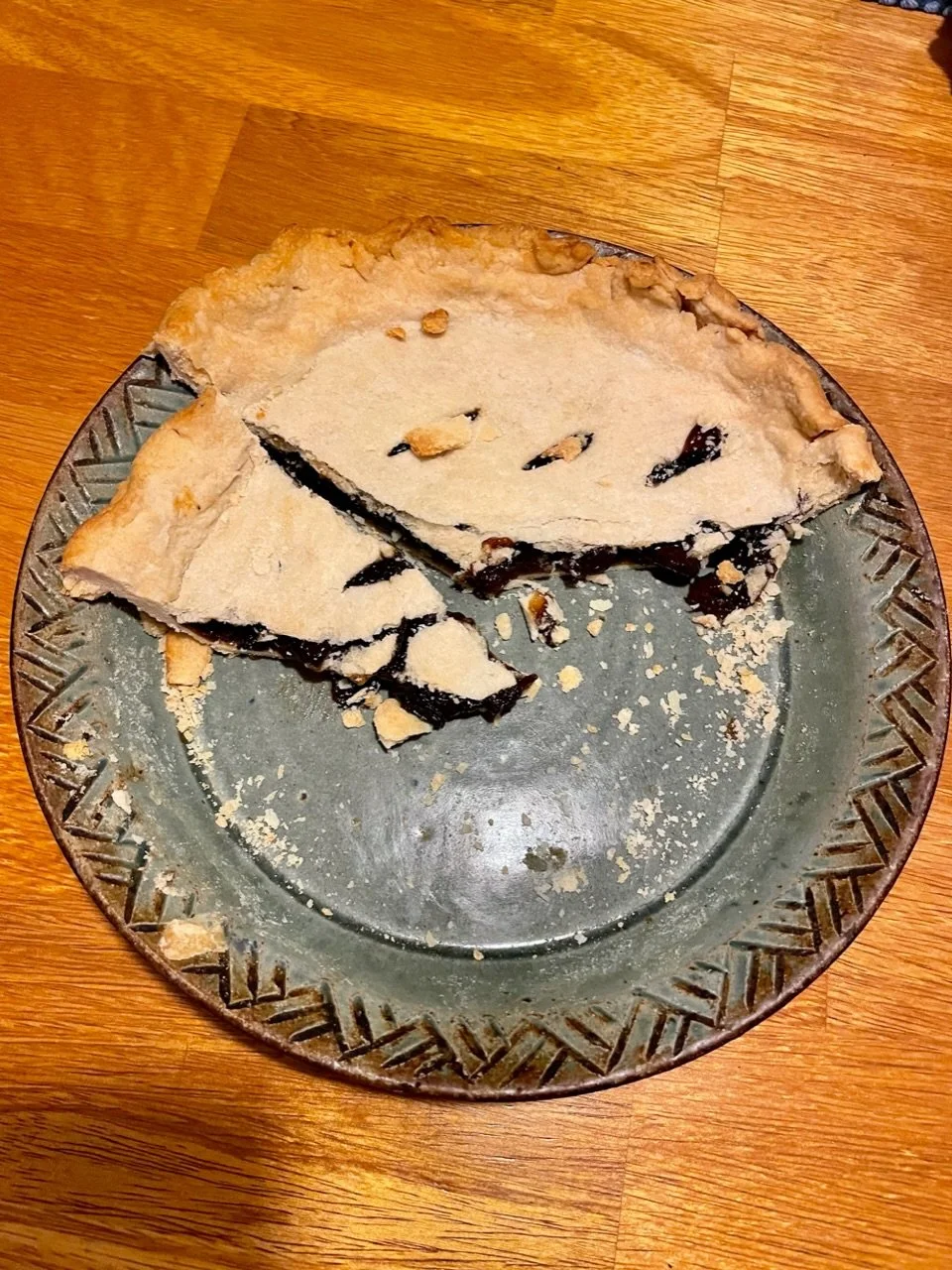
Pies…It’s pecan, pumpkin and apple — climate winners all. Food that grows on trees tends to outperform other foods for two reasons: They grow on a carbon-storing plant that doesn’t have to be replanted every year, and each tree produces a whole lot of food.
It may be worth noting that mincemeat is mostly raisins, which grow on woody vines.
Turkey soup is also worth consideration, and yesterday’s carcass is bubbling away on the stove as of right now.
Great fun, great food.
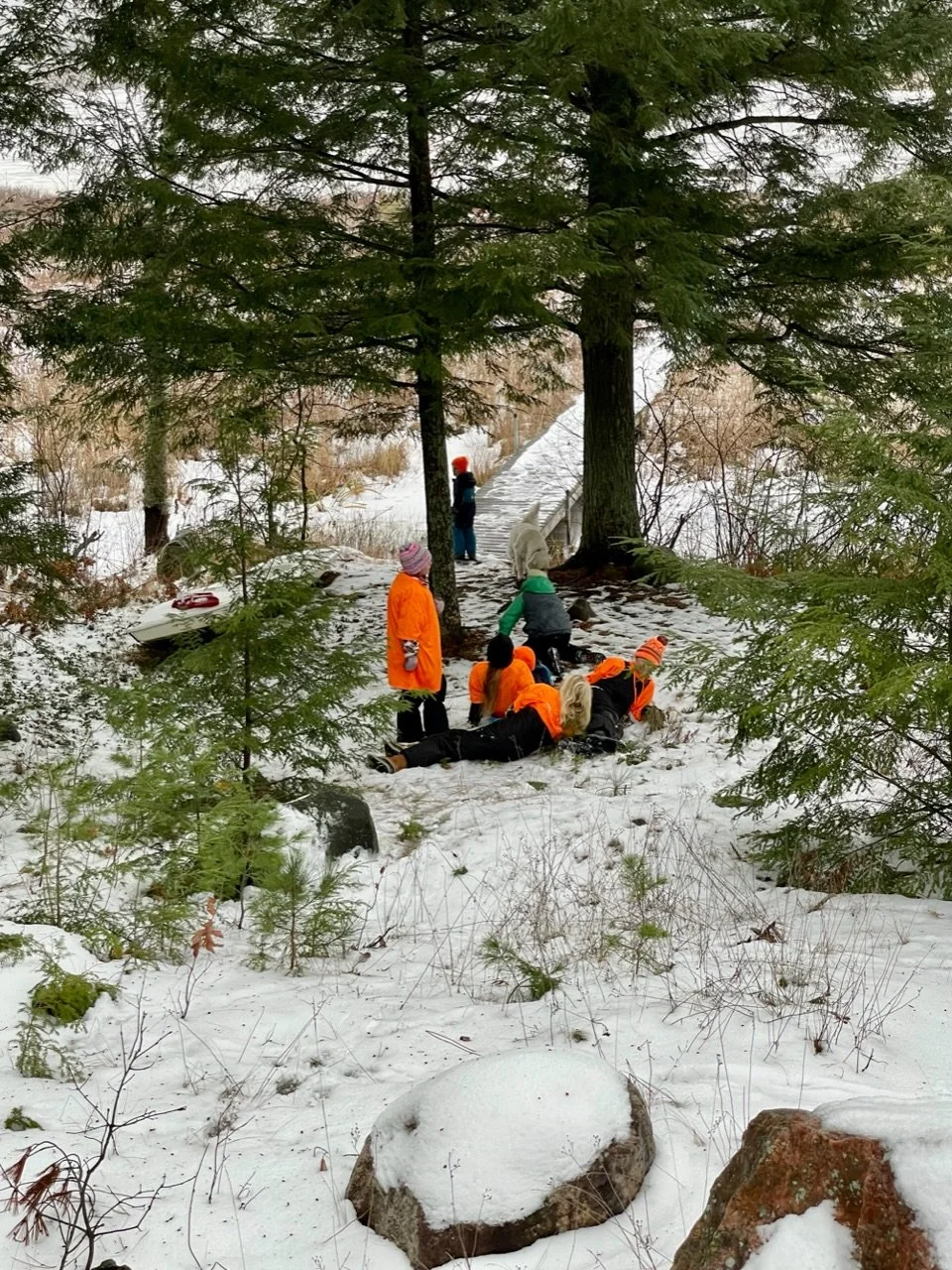
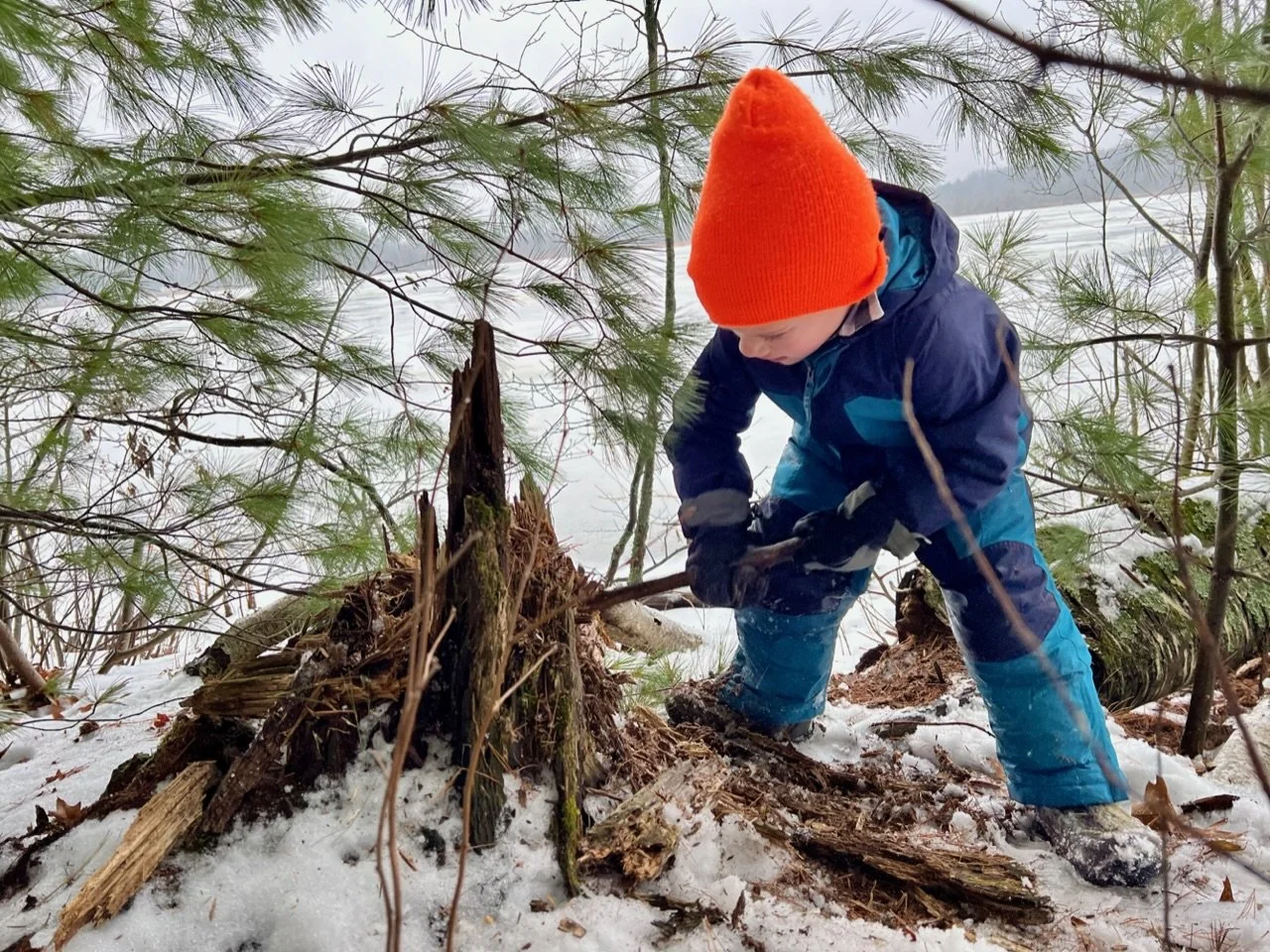
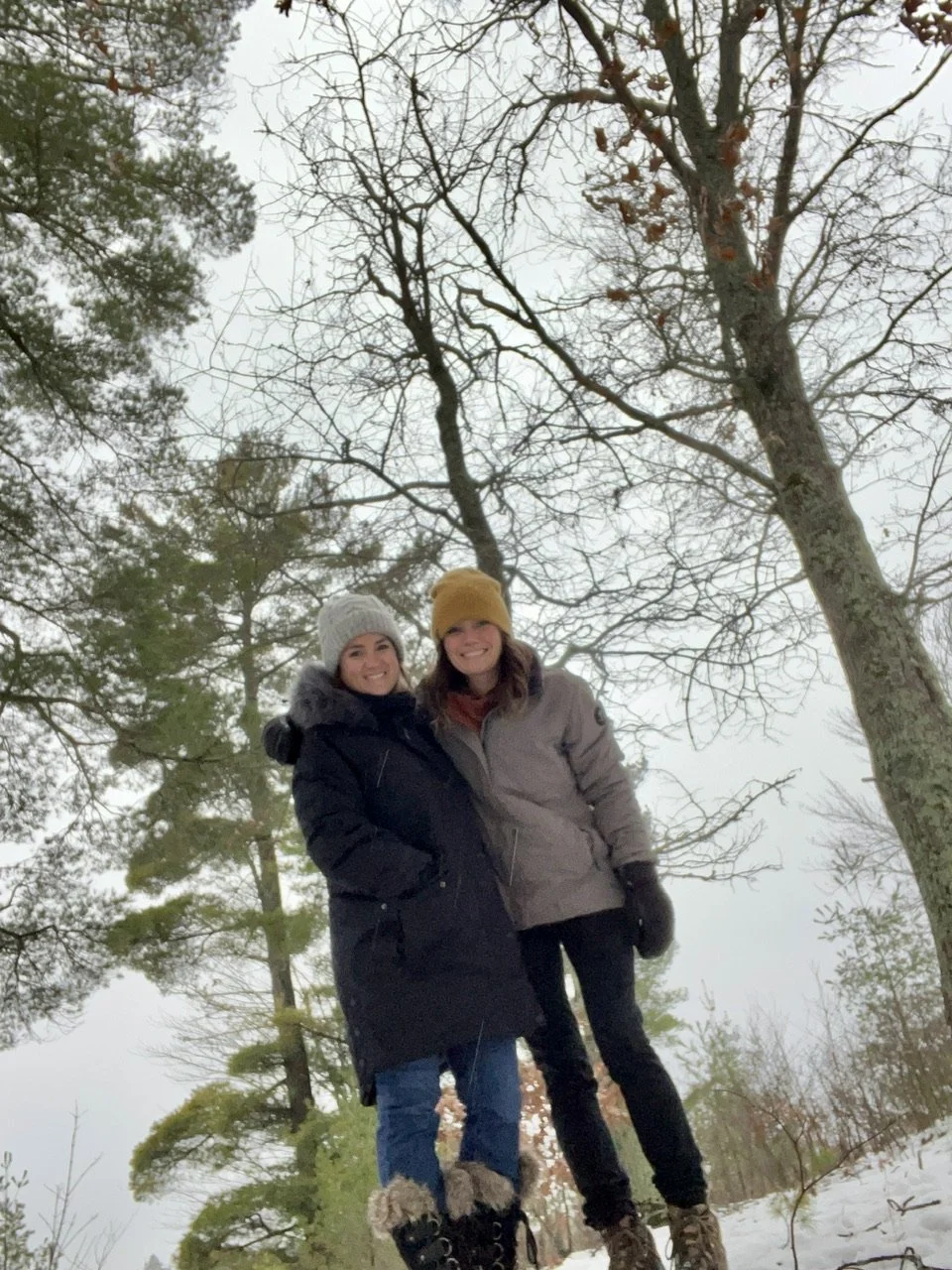
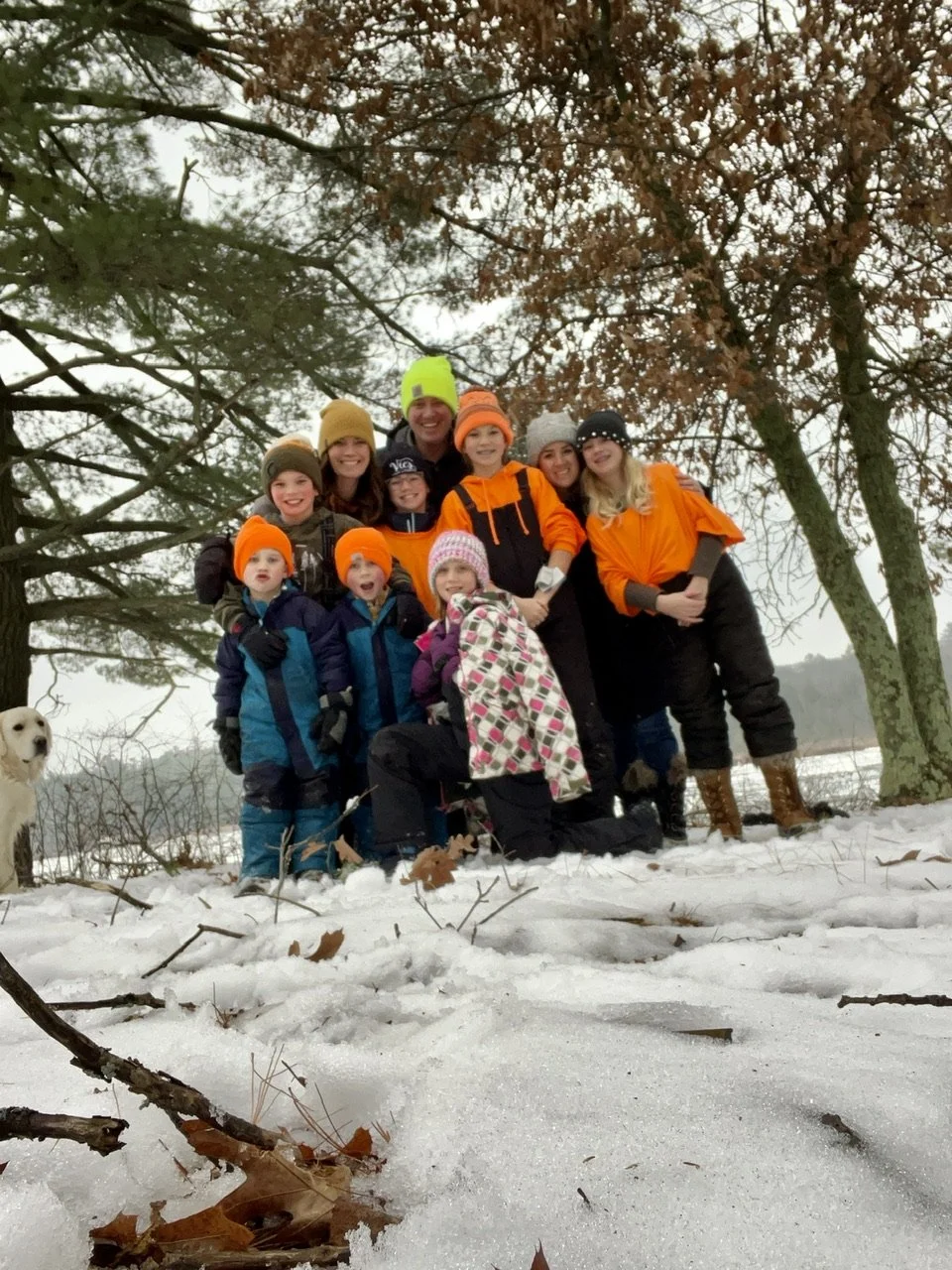
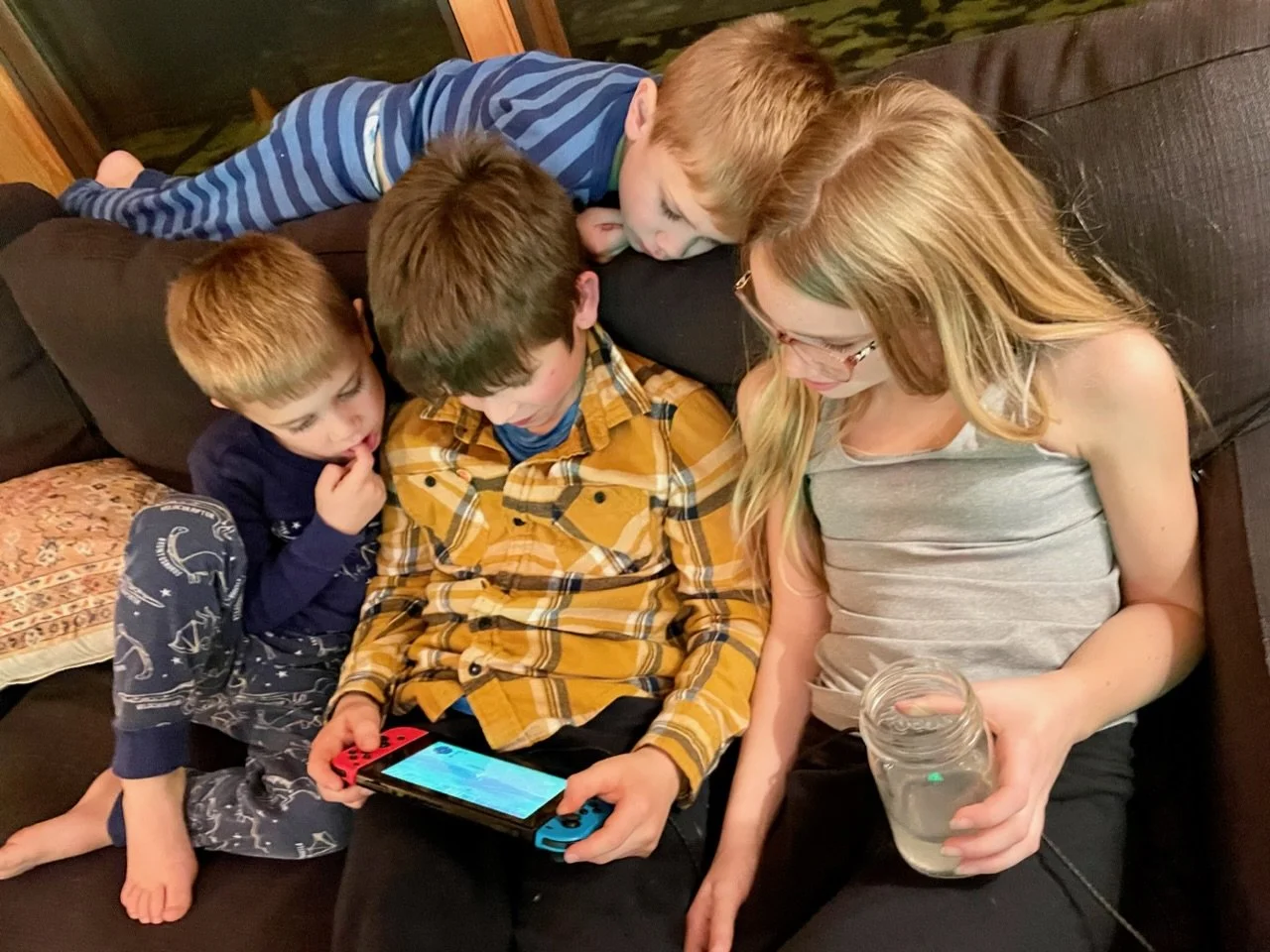
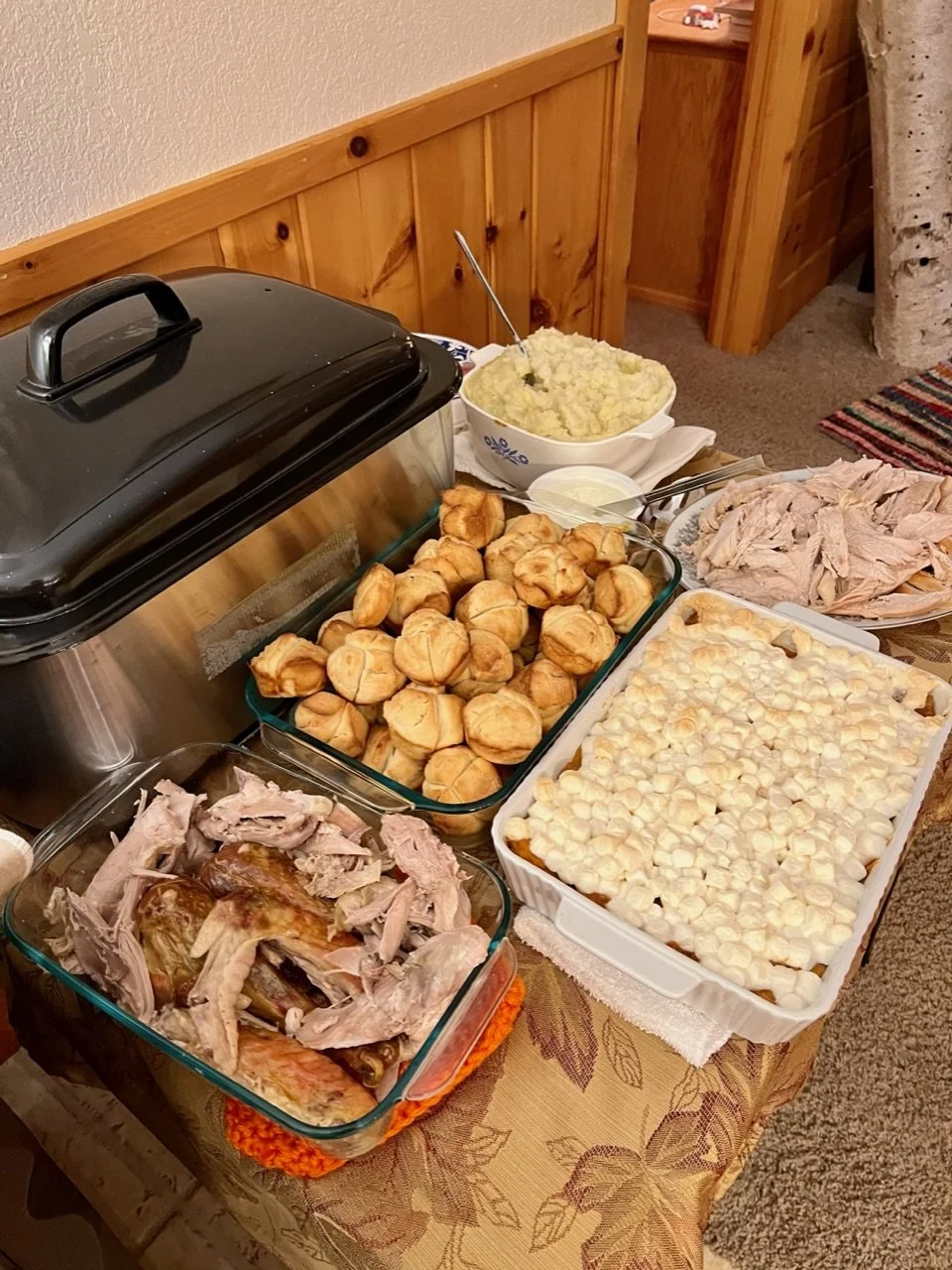
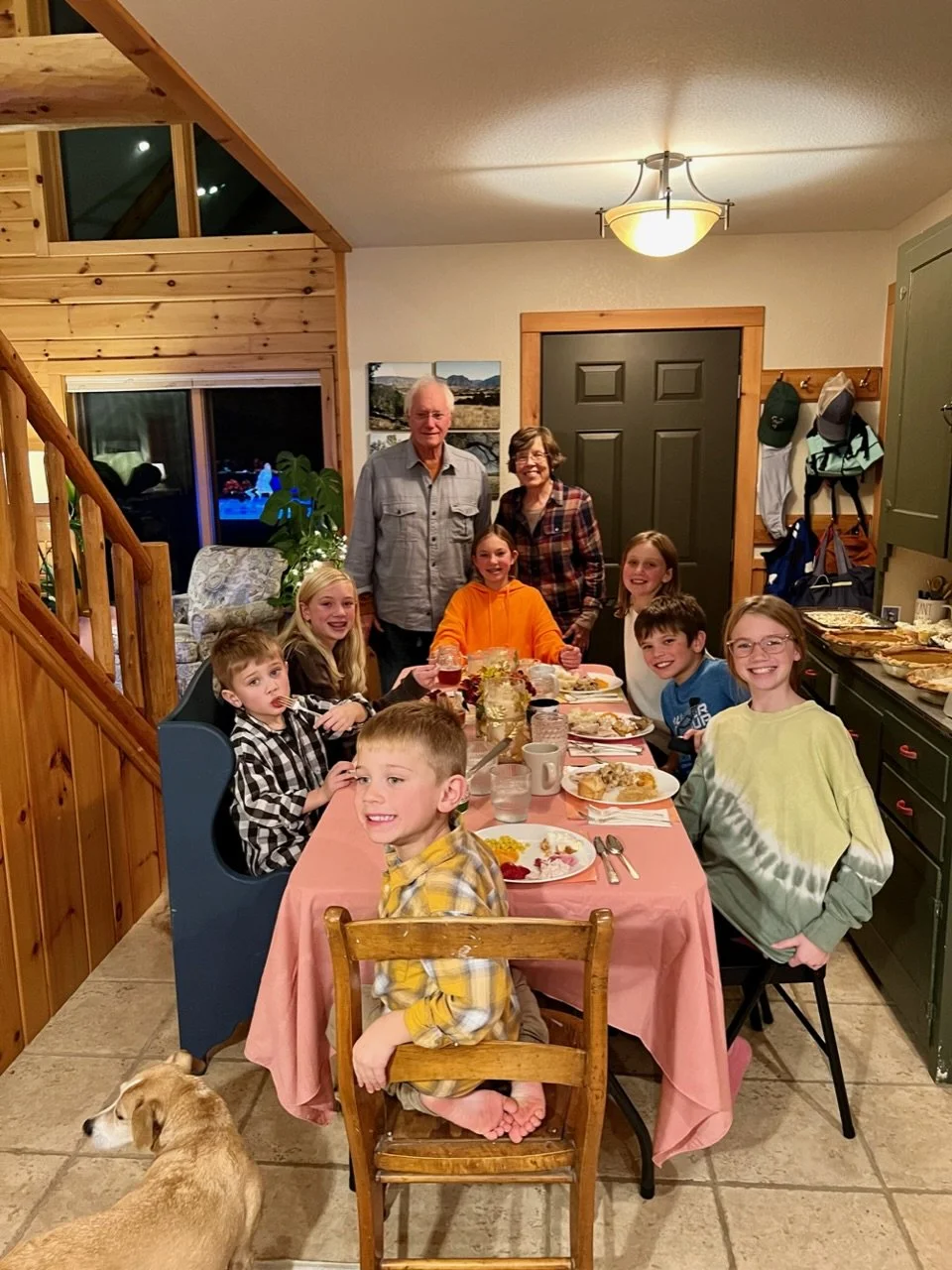
Squirrel Lake, Minocqua.
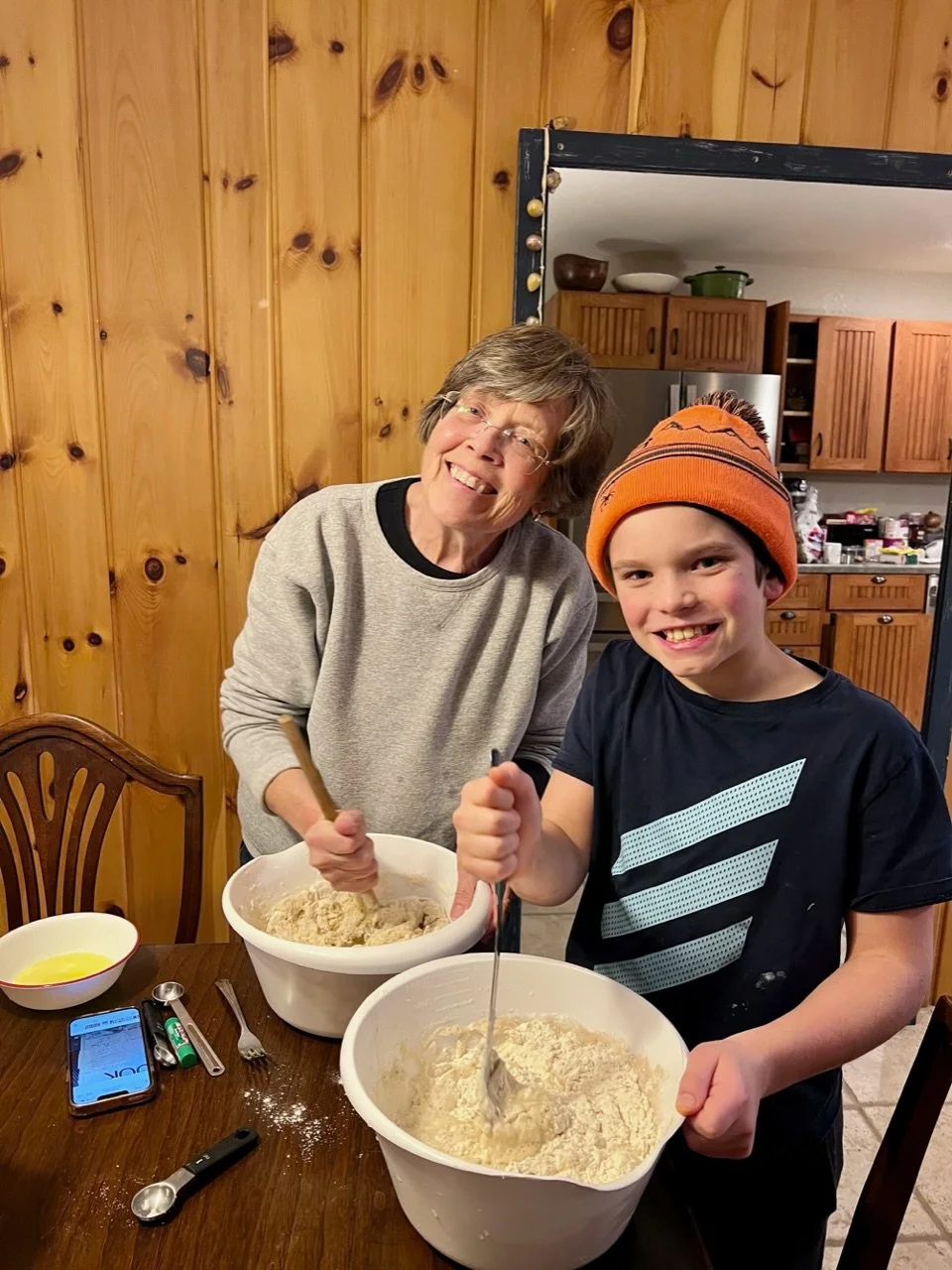
Rolls
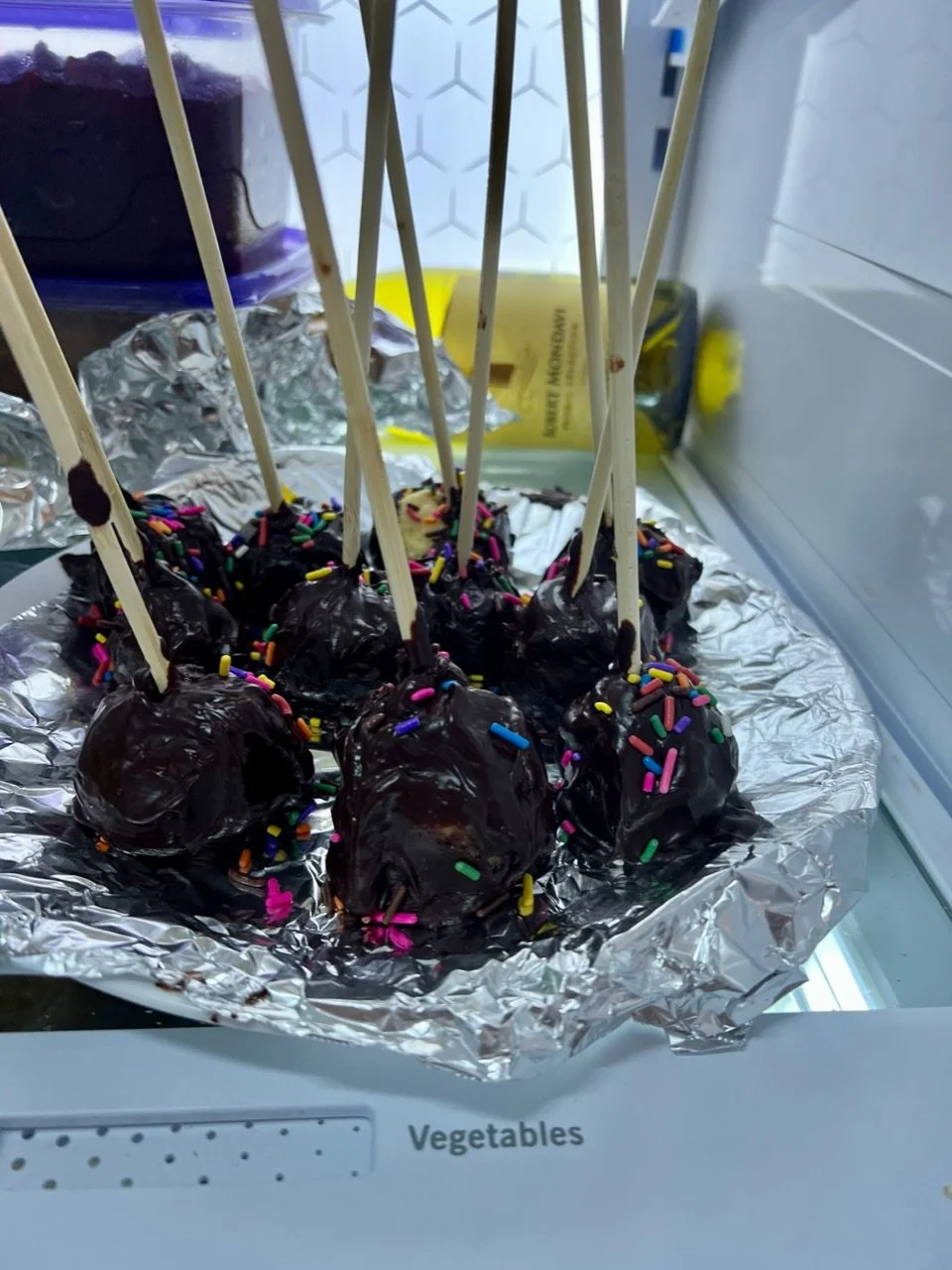
Cake Pops
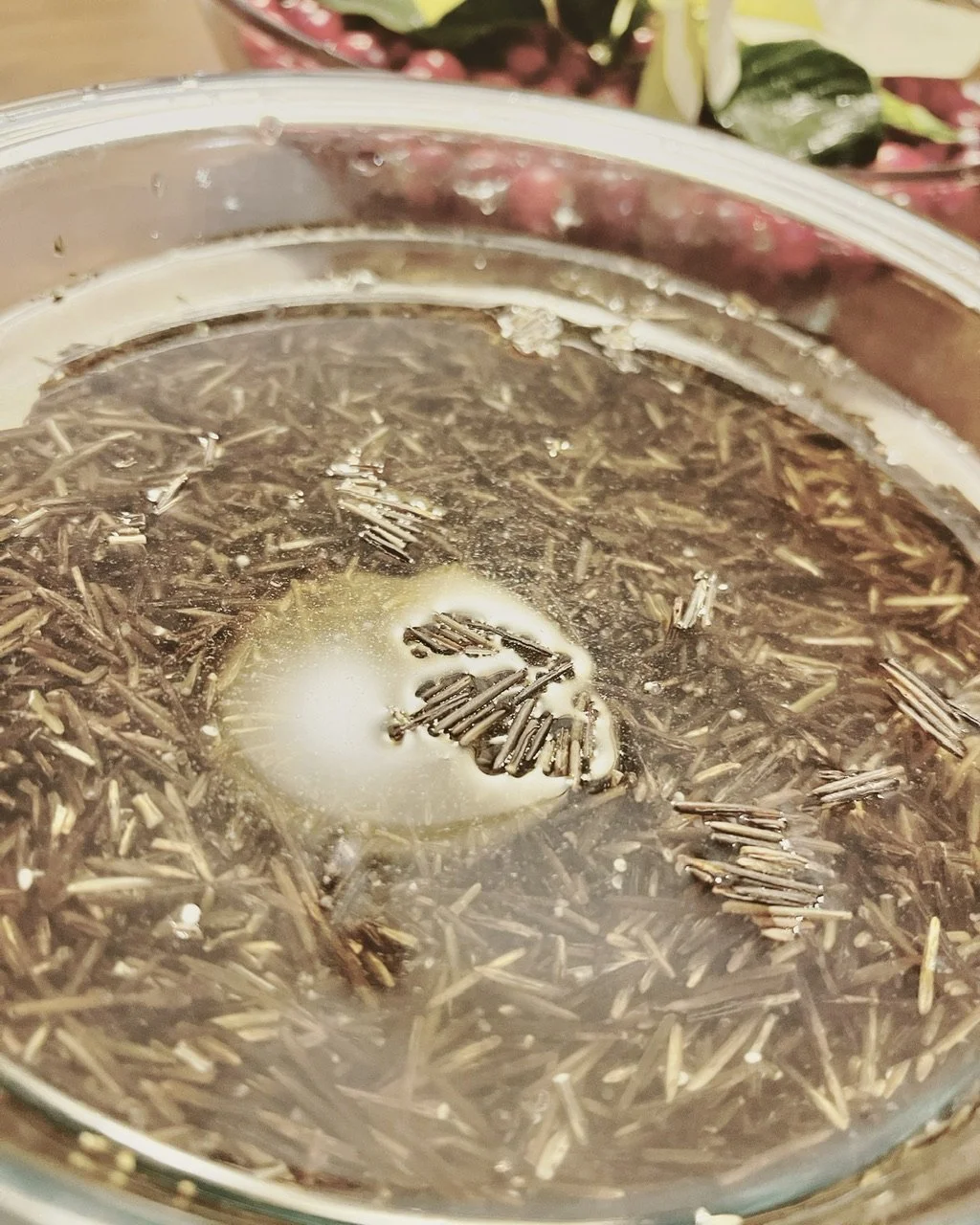
Manoomin
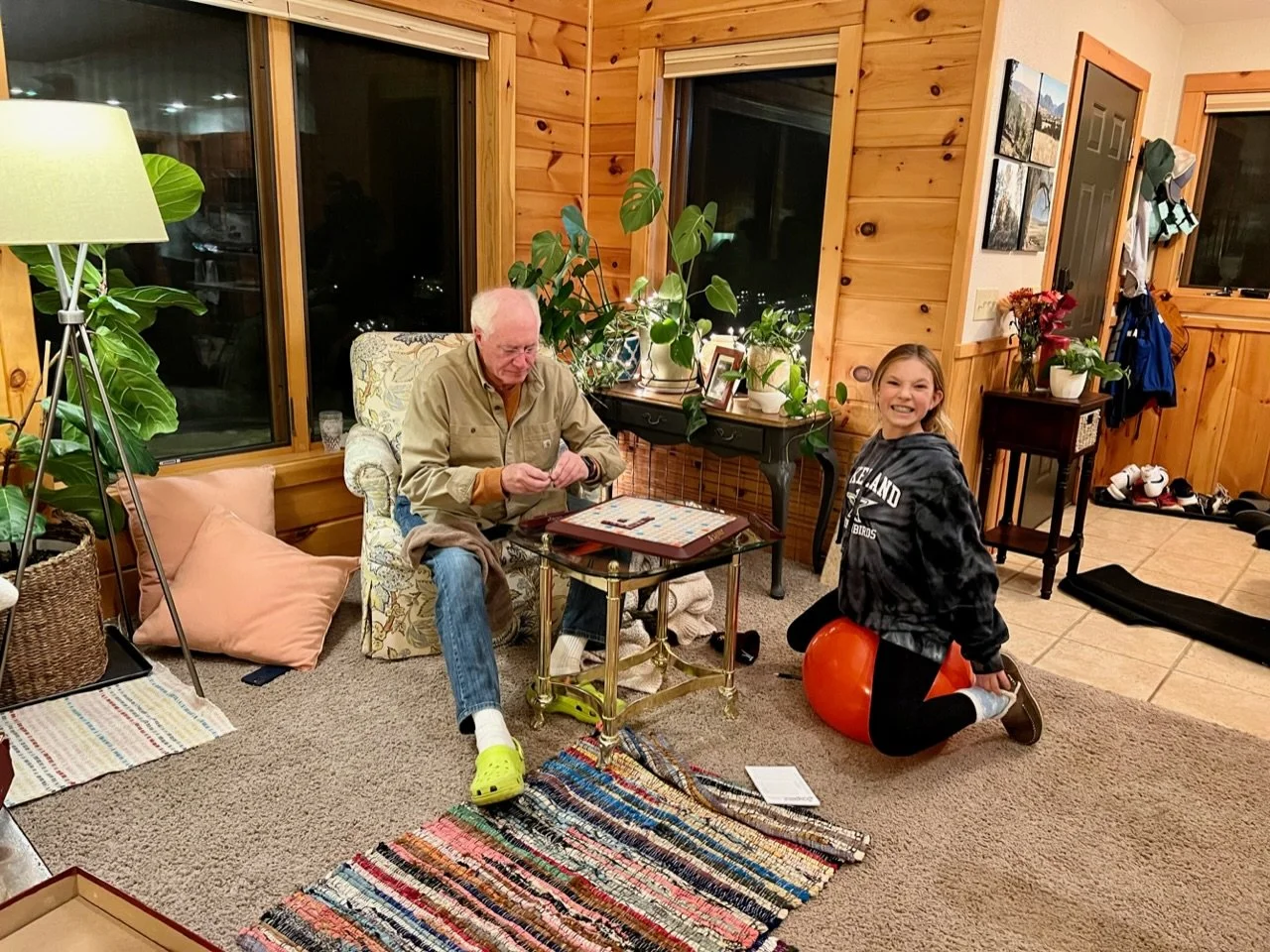
And Scrabble
…writer I never heard of. How can that be?

Luckily, I get the chance this evening to make up for lost time.
My list of great native shrubs (November 19) omitted perhaps the best of all—the Serviceberry, aka the Saskatoon or dwarf shadbush (Amelanchier alnifolia). This is the cultivar with the best fruit. (The November 19 blog has been updated, btw.)
Here’s Robin Kimmerer’s (longish) essay on the shrub, using it (as she does) as an example of the important concept of reciprocity. THE SERVICEBERRY An Economy of Abundance
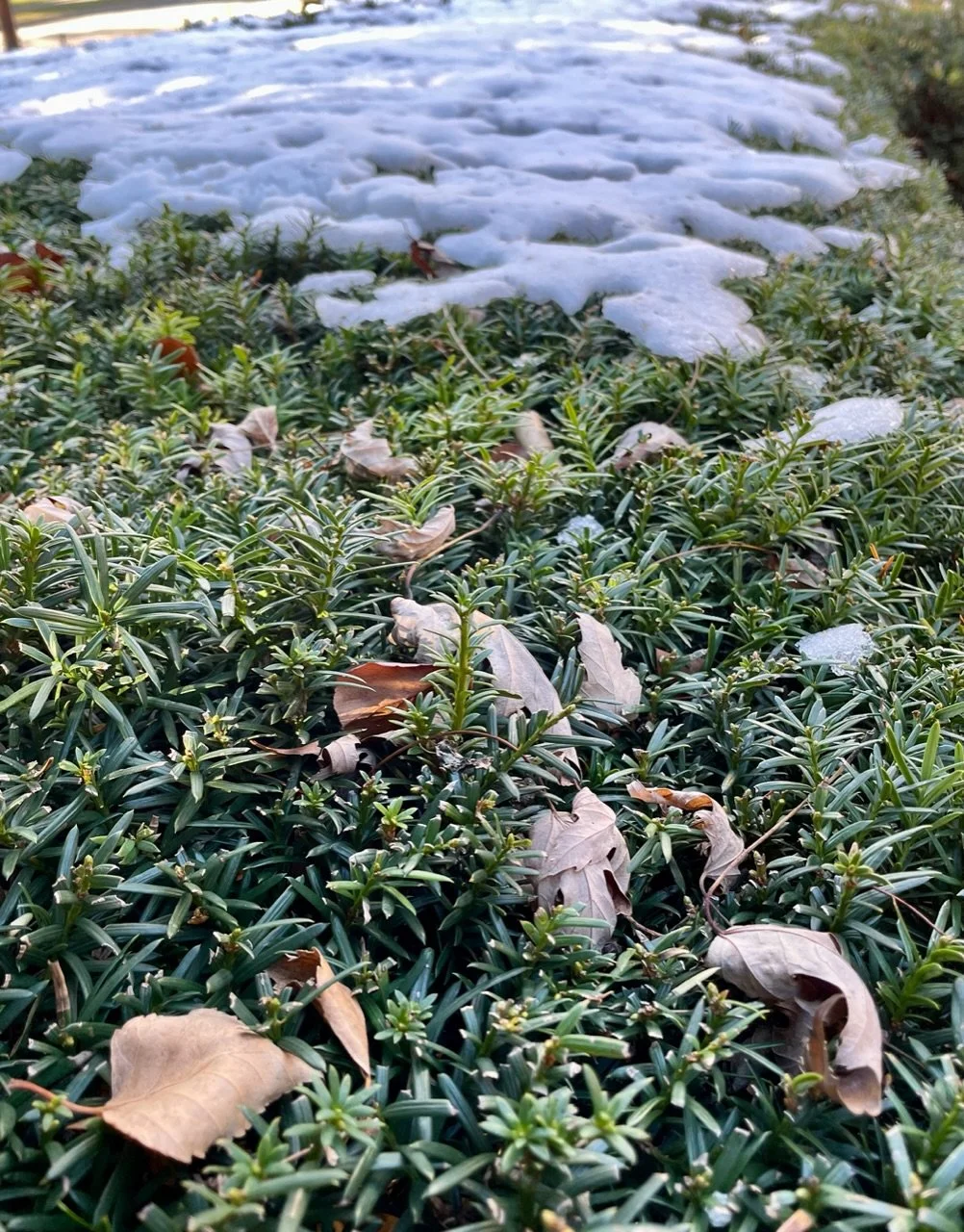
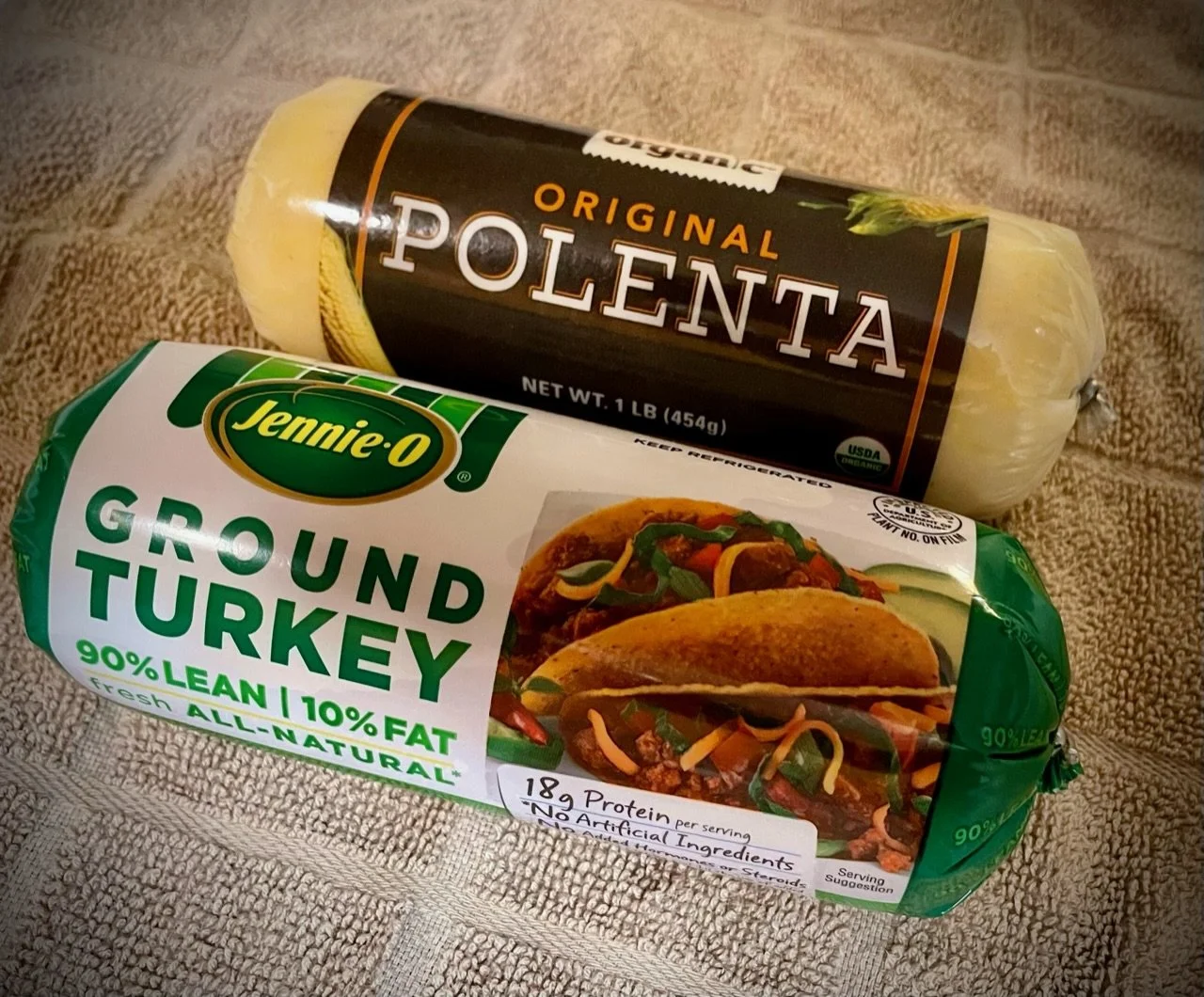
Above, yew bushes, showing that we went above freezing today and snow is melting. Below, the ingredients of tonight’s “tube dinner.”
…when the leaf falls from the tree.
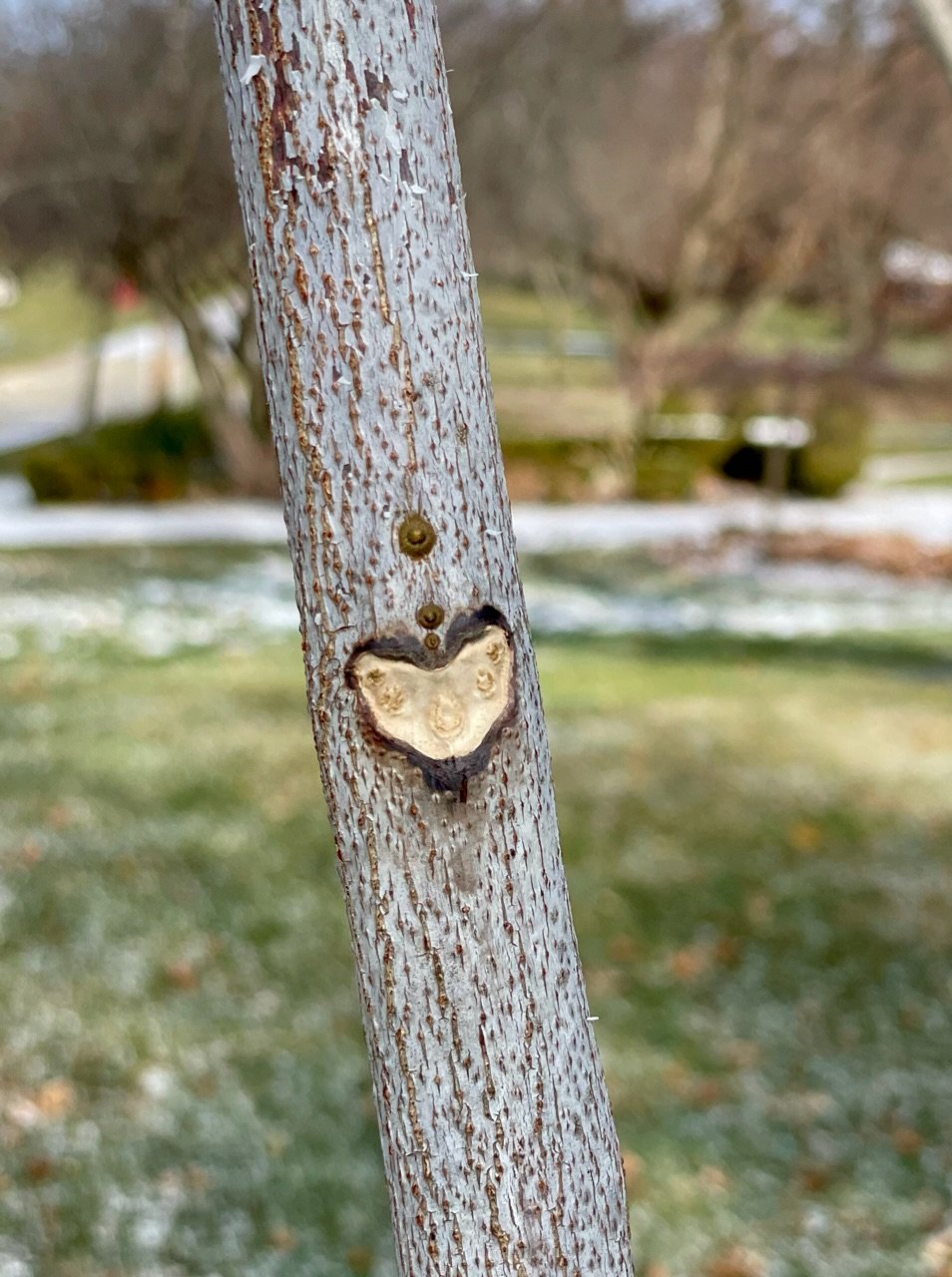
Above, the leaf scar from the Kentucky Coffeetree in the front yard, planted from seed 4 or 5 years ago. KCTs have enormous compound leaves, and this tree, though taller than me and growing fast, had just 30 this year. It still looked extravagantly foliated.
If you look closely at the scar you can see the vascular bundles, the pipes through which water and minerals flow into the leaf and where sugars (food) flow outward to the rest of the tree, including the roots.
…presentation.

Presented by Wild Ones at the Kettle Moraine State Forest Southern Unit headquarters. Interesting small natural history museum.

Near Eagle, WI, not far from here. Surprised not to have been there before.
Here’s a selection of good native shrubs (for this area):
Serviceberry—this variety best for fruit: Saskatoon or dwarf shadbush (Amelanchier alnifolia)
Elderberry, Button Bush, Choke Berry/Cherry, Pagoda Dogwood, Hazel Nut, Viburnums, Lead Plant, St. John’s Wort, Meadowsweet. Also, current/gooseberry.
Interesting weather—heavy snow showers followed by blinding sunlight.